The place for all your outdoor living space!

Article Overview
- Is Composite Decking Slippery?
- Is Composite Decking Slippery When Wet?
- What Makes Non Slip Composite Decking Different?
- Non Slip Composite Decking vs Traditional Wood
- Where Non Slip Decking Matters Most
- Decking With Anti-Slip Add-Ons vs Built-In Traction
- What to Look for in the Best Non Slip Composite Decking
- Conclusion
Slip resistance often becomes a concern when homeowners plan a new deck or update an existing deck. A deck surface that feels stable in dry weather can change quickly once rain, snow, or moisture settles in. Wet conditions, shaded areas, and everyday foot traffic all influence how safe an outdoor space feels over time.
Non slip composite decking helps homeowners create outdoor living areas that support consistent traction underfoot. Composite deck boards vary in surface texture, composite material, and overall design. Some boards provide better grip than others, especially when moisture stays on the deck surface longer than expected. These differences matter for families with kids, pets, pools, or elevated outdoor spaces.
Choosing the right non slip composite decking supports peace of mind before deck installation begins. Understanding how different deck boards perform helps homeowners reduce the risk of slips and falls while creating an outdoor space that stays functional, comfortable, and inviting year-round.
Is Composite Decking Slippery?
Composite decking can feel slippery depending on surface design, material composition, and moisture exposure. Not all composite deck boards perform the same, even when they look similar. Texture, wood grain depth, and deck surface design all affect traction underfoot.
Earlier composite materials focused heavily on durability and low maintenance. Many modern composite deck boards now balance performance with surface texture, which improves stability in everyday use. Boards designed with textured finishes often provide better grip than smoother options, especially as the deck remains exposed to changing outdoor conditions.
Traditional wood decking behaves differently over time. Wood absorbs moisture, supports algae growth, and often becomes slippery when wet. Composite deck boards resist water absorption and maintain a more consistent deck surface, but surface design still determines whether the deck feels secure underfoot.
Composite decking does not automatically feel slippery, but some options prioritize appearance over traction. Those differences become more noticeable once the deck remains exposed to real-world outdoor living conditions.
Is Composite Decking Slippery When Wet?
Composite decking can feel slippery when wet, but performance depends on how the deck board handles moisture. Rain, snow melt, pool water, and morning dew all change how the deck surface behaves underfoot. Wet conditions reveal differences between boards much faster than dry weather.
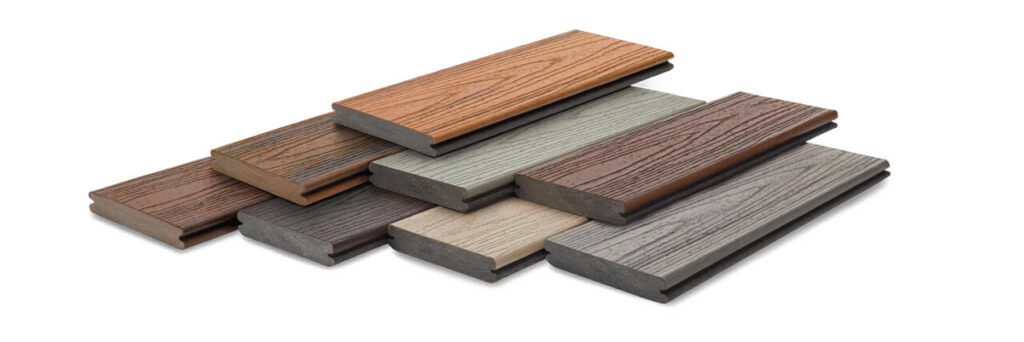
Some composite deck boards allow water to sit on the surface longer, which reduces traction underfoot. Smooth finishes tend to feel slick once moisture builds up. Boards designed with a textured surface move water away more effectively, which helps the deck remain stable when wet.
Outdoor spaces with shade or limited airflow often stay damp longer. In these areas, the deck remains exposed to moisture even after rainfall ends. Slip resistance becomes especially important on stairs, near pools, and in high-traffic outdoor living areas where people walk barefoot or with wet shoes.
Composite materials do not absorb water the same way wood does, but surface design still matters. A deck board with textured finishes and intentional grip provides better control in wet conditions than a smooth deck surface. Choosing boards designed to handle moisture helps reduce slipping and supports safer everyday use.
Not all composite decking performs the same when slippery when wet. Understanding how moisture interacts with the deck surface helps homeowners choose materials that support safety and comfort throughout changing seasons.
What Makes Non Slip Composite Decking Different?
Non slip composite decking differs from standard composite boards because manufacturers design the deck surface with traction in mind. Instead of focusing only on appearance, these boards use surface texture and material choices that help people feel more stable underfoot.
A textured surface plays a major role. Boards with deeper wood grain and textured finishes create more contact between shoes or bare feet and the deck board. This added texture improves traction underfoot, especially in wet conditions where smooth surfaces often feel slick.
Composite material also affects performance. Some composite deck boards combine recycled materials with protective caps that resist moisture while maintaining grip. These materials help the deck remain consistent over time, even after repeated exposure to rain, snow, or pool water.
Non slip decking boards also rely on how water moves across the deck surface. Boards designed to shed moisture more effectively reduce the chance of water sitting on the surface. Less standing water means better control and more confidence while walking.
Non slip composite decking does not feel rough or uncomfortable. Instead, it balances comfort with stability to support everyday outdoor living. This design approach helps homeowners reduce the risk of slips and falls while enjoying an outdoor space that feels safe, functional, and inviting.
Non Slip Composite Decking vs Traditional Wood
Homeowners often compare composite decking to traditional wood decking when safety becomes a concern. Both materials offer different experiences underfoot, especially as the deck surface ages and faces ongoing exposure to moisture.
Traditional wood decking provides natural texture at first. Fresh wood grain can feel stable, but performance changes over time. Wood absorbs water, supports algae growth, and becomes slippery when wet. As boards weather, the deck surface can lose traction and require frequent maintenance to stay safe.
Non slip composite decking delivers more consistent traction underfoot throughout the life of the deck. Composite deck boards resist moisture absorption and avoid many of the issues that affect wood. Surface texture and composite material design help the deck remain stable in wet conditions without relying on constant upkeep.
Wood decks often need regular cleaning, sealing, or added slip deck strips to improve safety. Composite decking reduces that need by building traction directly into the deck board. This approach supports long-term outdoor living while reducing the risk of slips and falls.
For homeowners who want dependable performance with less maintenance, non slip composite decking offers a practical alternative to traditional wood decking. The deck remains safer over time while supporting comfort, durability, and peace of mind.
Where Non Slip Decking Matters Most
Slip resistance does not matter equally across every part of a deck. Some areas see more moisture, more movement, or higher fall risk. In these spaces, choosing non slip decking makes a noticeable difference in everyday comfort and safety.
Deck Stairs and Level Changes
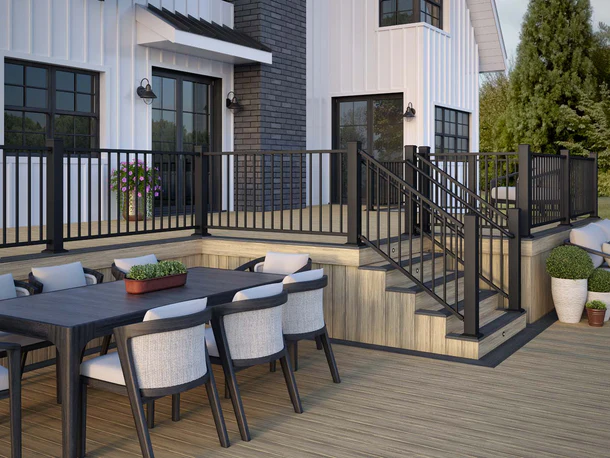
Deck stairs create one of the highest slip risks in any outdoor space. Water collects easily on steps, and people often move quickly or carry items while using them. Non slip decking boards with a textured surface improve traction underfoot and help people feel more stable while going up or down stairs.
Pool Decks and High-Moisture Areas
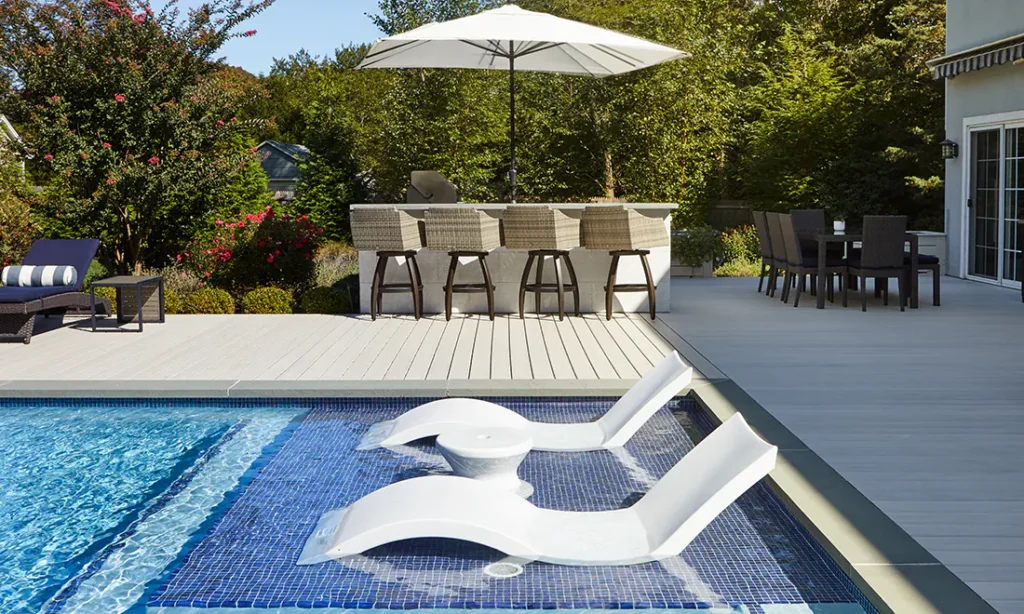
Pool decks stay wet far more often than other outdoor spaces. Bare feet, splashing water, and constant moisture increase the chance of slipping. Anti slip composite decking helps maintain control underfoot and supports safer movement around the pool area.
Elevated and Second-Story Decks
Elevated decks increase the importance of traction. A slip on a raised deck carries greater risk than one closer to the ground. Non slippery decking adds confidence and peace of mind, especially in wet conditions or colder seasons.
High-Traffic Outdoor Living Spaces
Outdoor living areas used for entertaining, grilling, or daily family time see frequent foot traffic. Spills, rain, and tracked-in moisture affect how the deck surface feels. Decking with anti slip design helps the deck remain comfortable and safe during everyday use.
Decking With Anti-Slip Add-Ons vs Built-In Traction
Homeowners sometimes look at add-on solutions when a deck surface feels slippery. These products can help in certain situations, but they work differently than decking designed with built-in traction. Understanding the difference helps homeowners choose the safest and most practical option for their outdoor space.
Using Anti-Slip Add-Ons on an Existing Deck
Anti-slip products such as slip deck strips, coatings, or textured tapes can improve traction on an existing deck. These options work best as short-term solutions or in specific areas like stairs or entry points. Add-ons often require regular maintenance and replacement as weather and foot traffic wear them down.
Some add-on products change the look or feel of the deck surface. Homeowners may notice uneven texture, visible strips, or peeling over time. While these solutions can help reduce slipping, they rarely provide the same consistency as a deck board designed for traction from the start.
Choosing Decking With Built-In Slip Resistance
Decking with anti slip design builds traction directly into the deck board. Manufacturers use textured finishes, deeper wood grain patterns, and specific composite materials to improve grip across the entire deck surface. This approach supports consistent traction underfoot without relying on extra products.
Built-in slip resistance works especially well in wet conditions and high-traffic outdoor living areas. The deck remains visually uniform and easier to maintain, which gives homeowners more peace of mind over the life of the deck installation.
Add-on products can help in certain situations, but non slip composite decking offers a more reliable long-term solution. Boards designed with traction in mind support safer everyday use while reducing the risk of slips and falls.
What to Look for in the Best Non Slip Composite Decking
The best non slip composite decking focuses on how the deck board performs under real outdoor conditions, not just how it looks on display. Many homeowners ask is composite decking slippery, and the answer depends on surface texture, composite material, and how the board manages moisture over time. These factors work together to reduce slipping and support safer everyday outdoor living.
Different composite decking brands approach slip resistance in different ways. Some focus on deeper surface texture, while others rely more on material composition to improve stability underfoot. Understanding these differences helps homeowners choose boards that match their environment and how they plan to use their deck.
Brands That Rely on Surface Texture for Traction
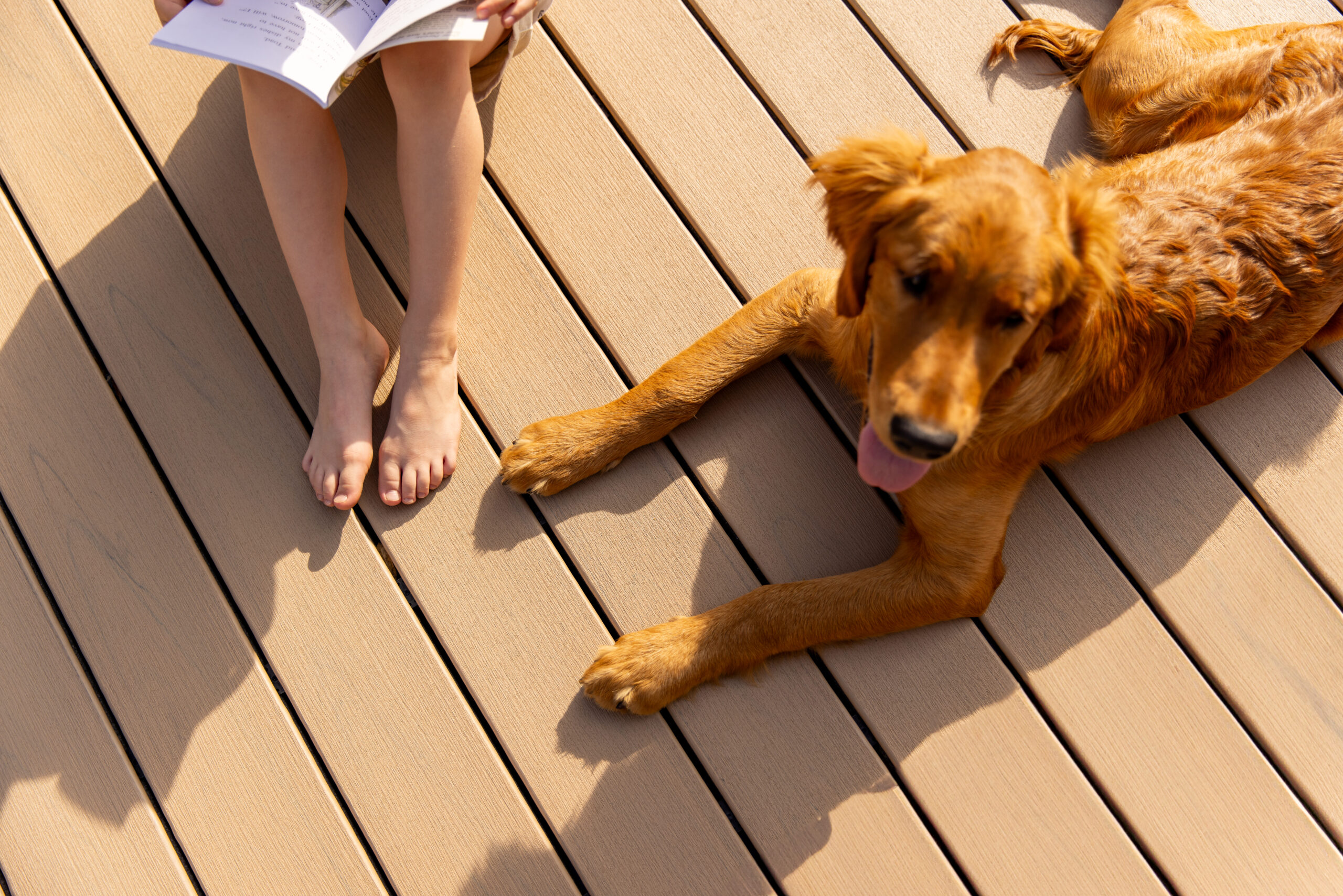
Several composite decking brands design boards with pronounced textured finishes and defined wood grain patterns. These textures help move water across the deck surface instead of allowing it to pool, which improves grip in wet conditions.
Brands like Trex and TimberTech offer collections with deeper embossing that feel more stable underfoot, especially on stairs, uncovered decks, and high-traffic outdoor spaces. These boards balance visual appeal with functional traction, making them a common choice for homeowners who want slip resistant decking without a rough surface feel.
Brands That Improve Grip Through Composite Material Design
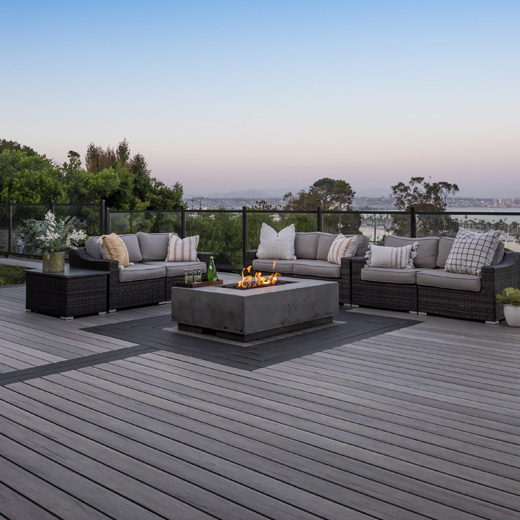
Other manufacturers focus less on aggressive surface texture and more on the composite material itself. These boards use advanced blends or mineral-based construction to create slip resistant composite decking that feels steady even when moisture is present.
Deckorators takes this approach with composite deck boards designed to maintain consistent traction across changing conditions. This type of design works well in outdoor spaces where homeowners want a smoother feel underfoot while still reducing the risk of slips and falls.
Why Comparing Boards Matters More Than Brand Names
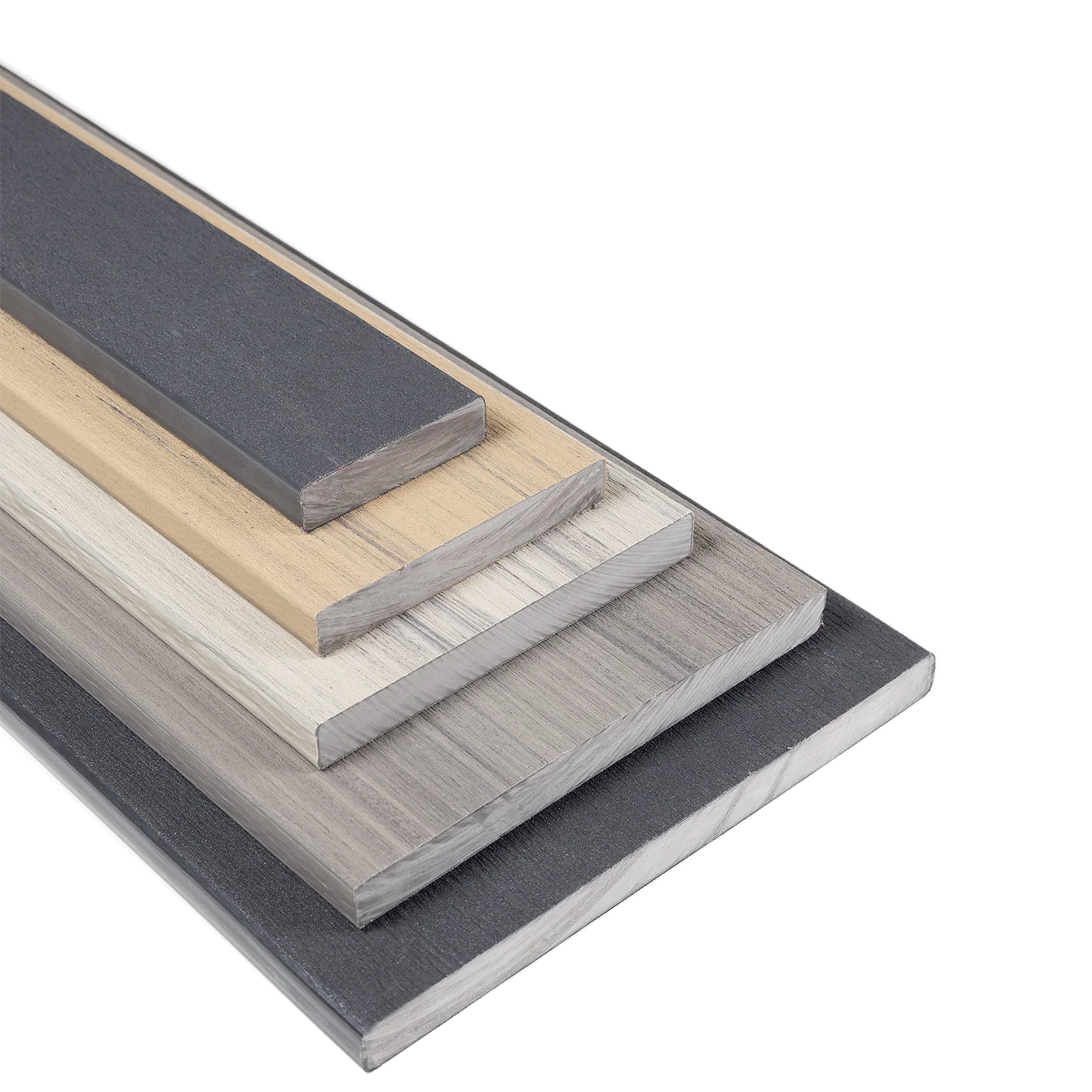
Not every board within a brand performs the same. Slip resistance varies by collection, finish, and board profile. Homeowners should compare specific non slip decking boards and anti slip decking boards rather than assuming all boards from one manufacturer behave the same.
Premium Decking Supply carries multiple composite decking brands, which allows homeowners to compare deck boards side by side. Seeing and feeling differences in texture, grip, and comfort before deck installation often leads to better long-term peace of mind once the deck remains exposed to wet conditions and daily use.
Conclusion
Non slip composite decking plays an important role in creating safer, more comfortable outdoor spaces. Slip resistance depends on surface texture, composite material, and how each deck board performs in wet conditions over time. Not all composite decking behaves the same, which makes understanding these differences essential before choosing materials.
Homeowners who take time to compare slip resistant composite decking options often feel more confident in their decisions. Boards designed with traction in mind help reduce slipping, support everyday outdoor living, and provide long-term peace of mind. This matters even more on stairs, pool decks, and high-traffic areas where safety stays a priority.
Choosing the right non slip decking boards helps create an outdoor space that stays functional and inviting through changing weather and daily use. When homeowners focus on performance as much as appearance, the deck remains safer, more enjoyable, and better suited for real life.