The place for all your outdoor living space!

Deck cost by brand can vary more than most homeowners expect, even when the deck size stays the same. Two projects with identical dimensions can end up with very different total costs simply based on the materials chosen. That is why relying on rough estimates often leads to budget surprises.
Composite and PVC decking brands each offer different price points, performance levels, and design options. Some brands focus on affordability and simple finishes, while others offer premium materials with advanced technology and longer warranties. These differences directly impact your material cost, railing cost, and overall project investment.
If you want a more accurate estimate, it helps to compare decking costs by brand before starting your project. This approach gives you better control over your budget and helps you choose materials that match both your style and your price range.
In this guide, we break down decking costs by brand and show you how to calculate your exact project cost using the right tools.
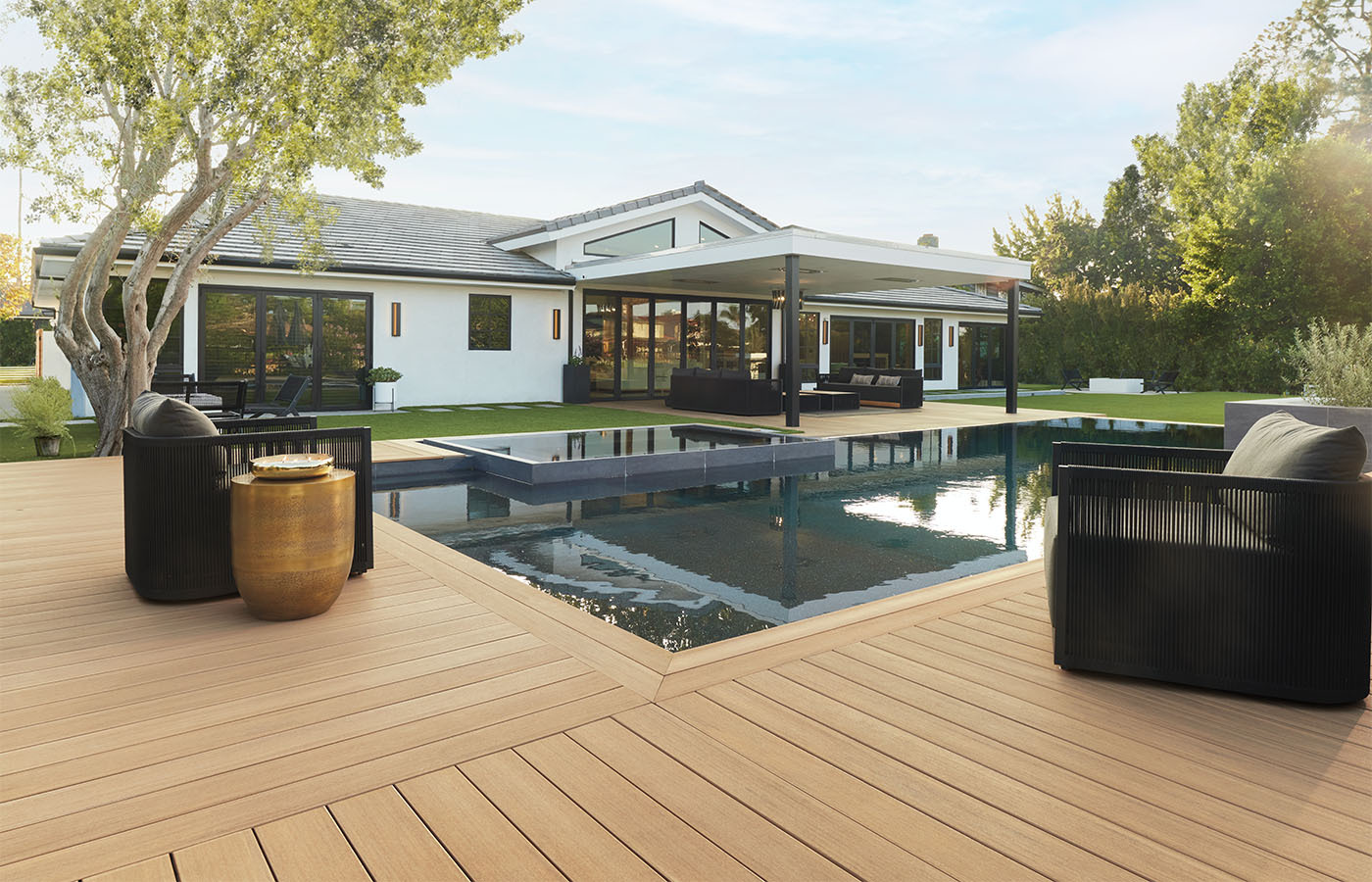
Why Deck Cost Varies by Brand
Deck cost can vary widely from one brand to another because not all decking materials are built the same. Each brand uses different technologies, materials, and manufacturing processes, which directly affect both performance and price.
One of the biggest factors is the type of material used. Some brands focus on capped composite decking, while others offer advanced PVC or mineral-based boards. These materials differ in durability, moisture resistance, and overall lifespan, which impacts the cost per square foot.
Product tiers also play a major role. Most decking brands offer multiple collections, ranging from budget-friendly options to premium lines with enhanced finishes and longer warranties. Higher-end boards often feature more realistic wood grain patterns, better color retention, and improved resistance to fading and staining.
In addition to decking boards, the overall system can affect your total cost. Railing, fascia, fasteners, and accessories vary by brand and can quickly add to your material cost. Some systems are designed for easier installation, while others require more components, which can increase both material and labor costs.
Understanding these differences helps you compare decking options more accurately. Instead of focusing on price alone, you can evaluate what each brand offers and choose the one that fits your budget and long-term goals.
Average Deck Cost Per Square Foot
Decking costs are often calculated by square foot, but the final price can vary depending on the brand, material type, and overall project scope. On average, composite decking materials range from about $5 to $15 per square foot, while premium options can go even higher depending on the collection.
Material cost is only one part of the equation. A full deck project also includes railing, fasteners, framing, and finishing details, all of which add to the total cost. Railing systems alone can significantly increase your budget, especially if you choose aluminum, cable, or glass options.
Labor cost also plays a role in the final price. More complex decking systems or premium boards may require additional installation time, which can increase overall project costs. Simpler systems with hidden fasteners or lightweight boards may help reduce labor time.
When you combine materials, accessories, and labor, the total project cost for a composite deck typically ranges between $25 and $60 per square foot. This range can shift based on deck size, layout, and the brand you choose.
Because so many factors influence pricing, using a decking cost calculator is one of the most accurate ways to estimate your total investment before you build.
Compare Deck Costs by Brand
Deck cost can shift significantly depending on the brand you choose, even when the deck size stays the same. Each brand offers different materials, pricing tiers, and system components, which all impact your total project cost. Comparing options side by side gives you a clearer understanding of what fits your budget before you commit.
Below is a breakdown of popular decking brands and how their pricing typically compares. For the most accurate estimate, you can use each brand’s calculator to generate a full material and cost breakdown based on your specific deck size.
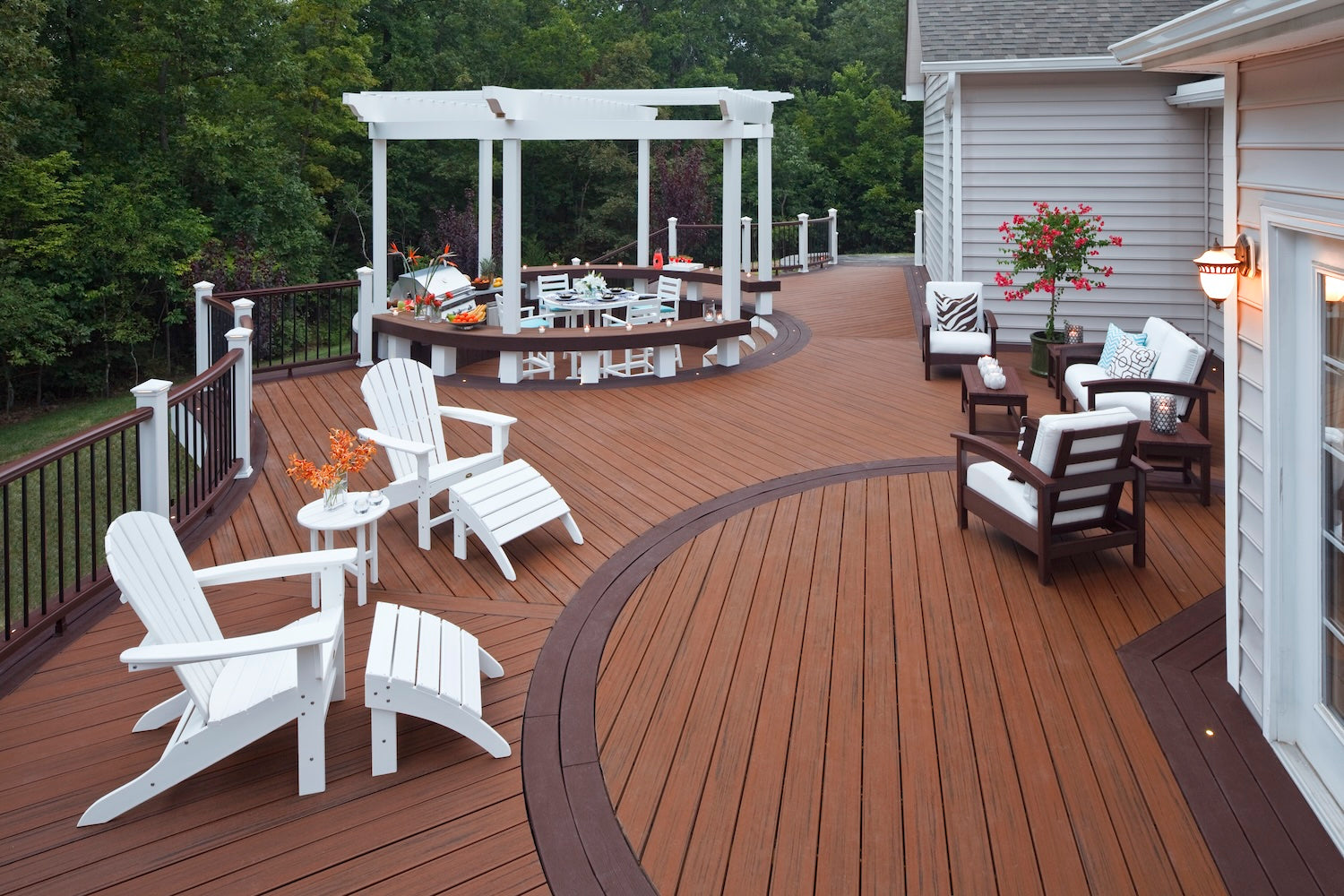
Trex Deck Cost
Trex is one of the most recognized composite decking brands and offers a wide range of collections at different price points. Entry-level options provide a more budget-friendly solution, while premium lines feature enhanced durability, deeper wood grain patterns, and longer warranties. This range allows homeowners to choose a product that fits both their design goals and budget.
Want an exact price based on your deck size? Use our Trex decking calculator to generate a full material and cost breakdown.
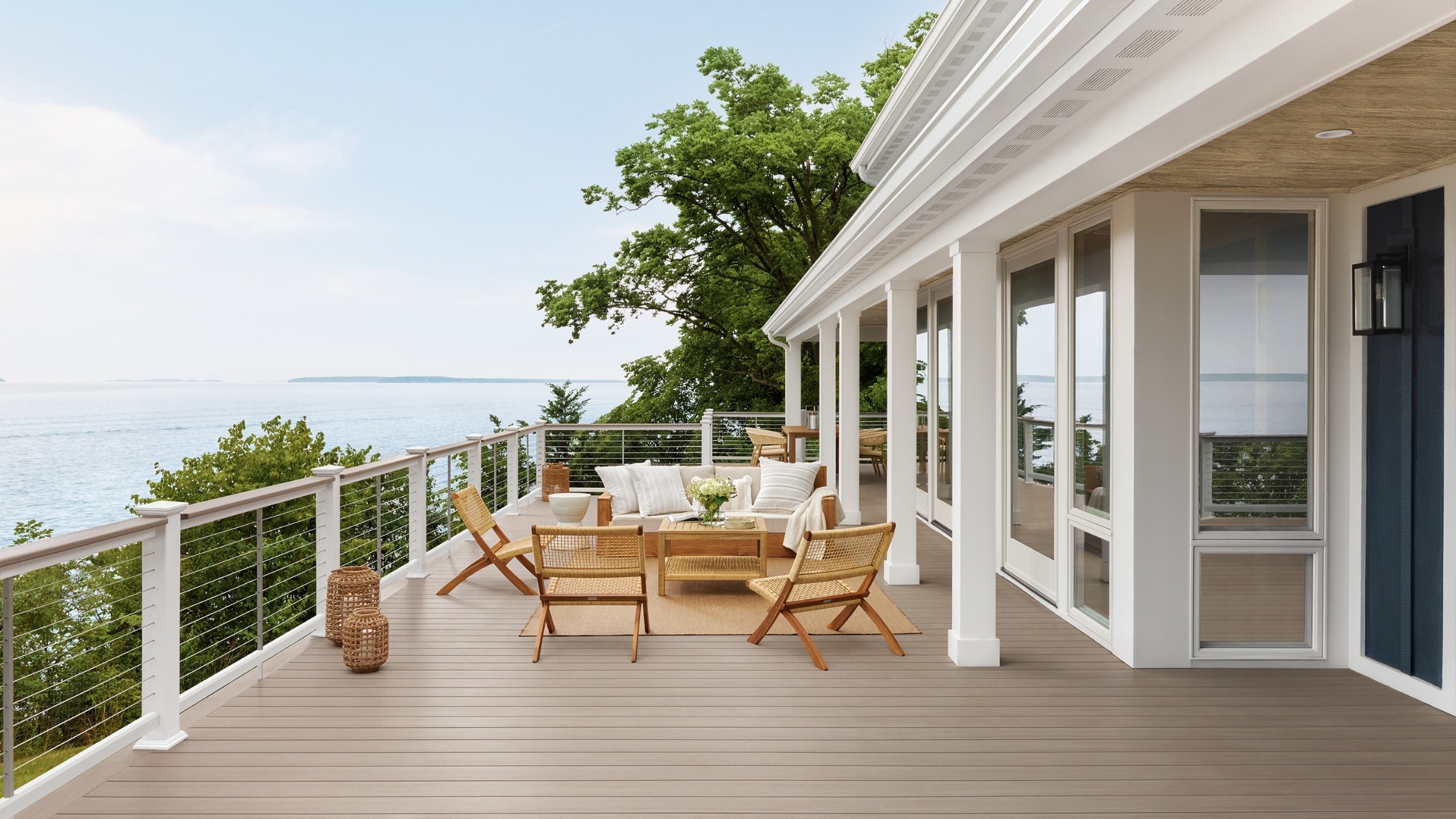
TimberTech Deck Cost
TimberTech offers both capped composite and PVC decking, giving homeowners more flexibility in terms of performance and price. Their product lines range from mid-tier composite boards to premium PVC options designed for maximum durability and moisture resistance. This variety makes TimberTech a strong option for both value-focused and high-end projects.
To see what your project may cost, try our TimberTech decking calculator for a detailed estimate.

Fiberon Deck Cost
Fiberon provides a balance between affordability and performance, with several collections designed to meet different budget levels. Their decking options include both traditional composite and capped boards with improved resistance to fading and staining. Fiberon is often a popular choice for homeowners looking to achieve a clean, finished look without reaching premium price tiers.
Get a more accurate estimate using our Fiberon decking calculator based on your project size.
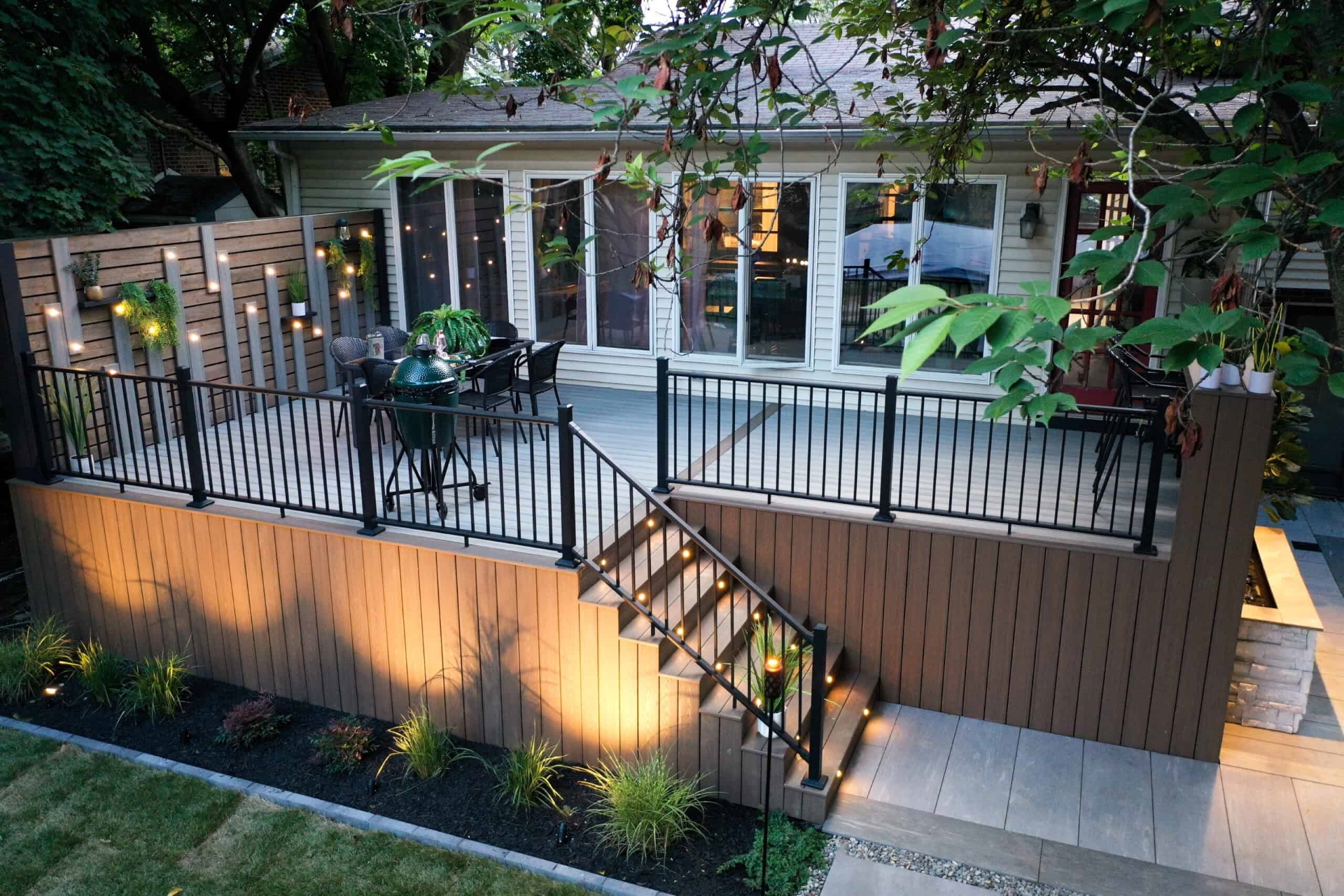
Deckorators Deck Cost
Deckorators stands out for its mineral-based composite technology, which offers enhanced strength and reduced thermal movement. This can be especially beneficial for homeowners looking for long-term performance and stability. Pricing can vary depending on the collection, with premium lines offering advanced durability and a unique appearance.
You can calculate your total project cost using our Deckorators decking calculator for a complete breakdown.
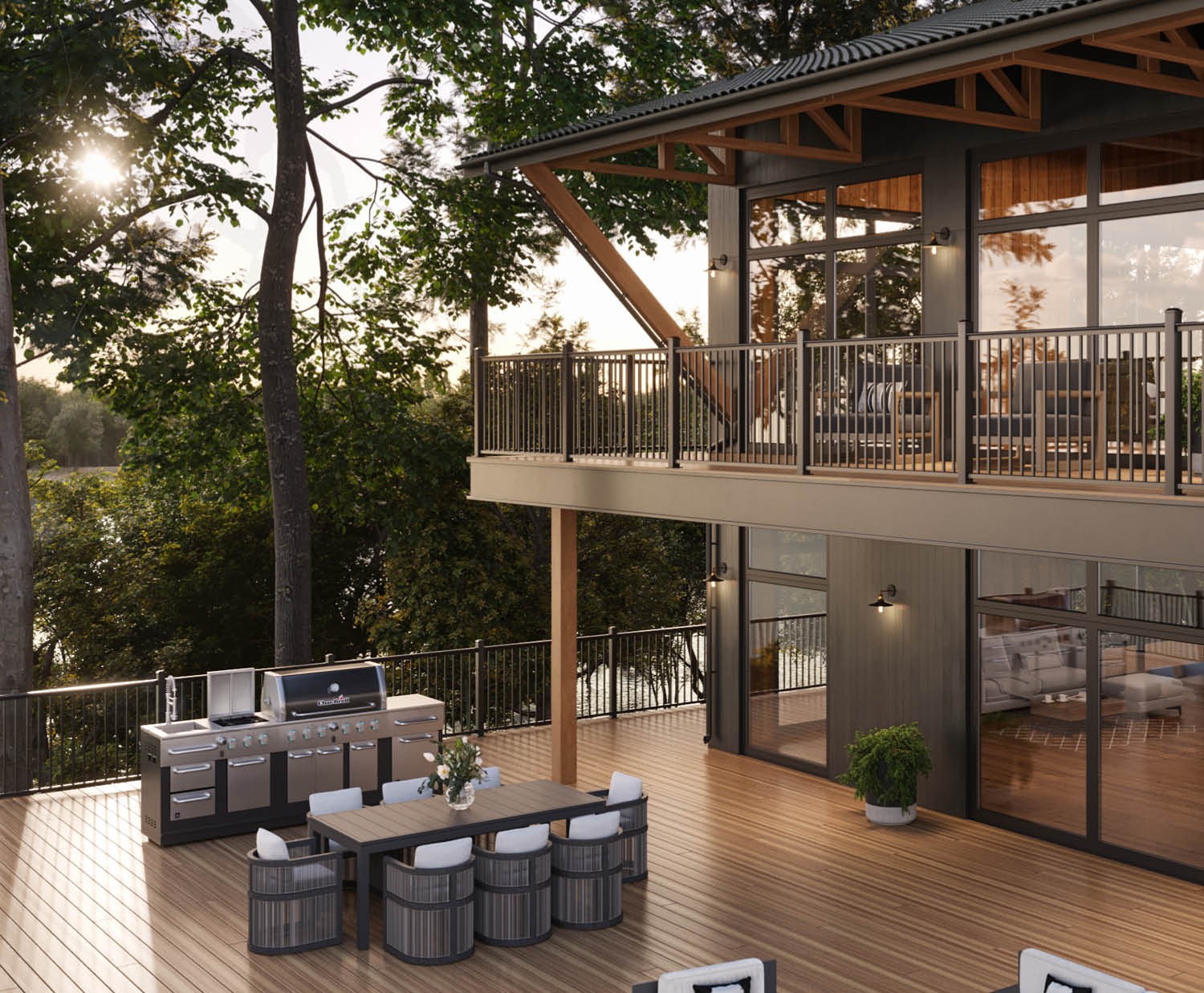
Envision Deck Cost
Envision decking is known for its deep wood grain textures and rich color variations. Their boards are designed to deliver a more natural look while maintaining the durability of composite materials. Pricing typically falls within the mid to upper range, depending on the collection and design features. Many homeowners choose Envision for its strong visual appeal combined with long-term performance.
Use our Envision decking calculator to estimate material quantities and overall cost for your project.
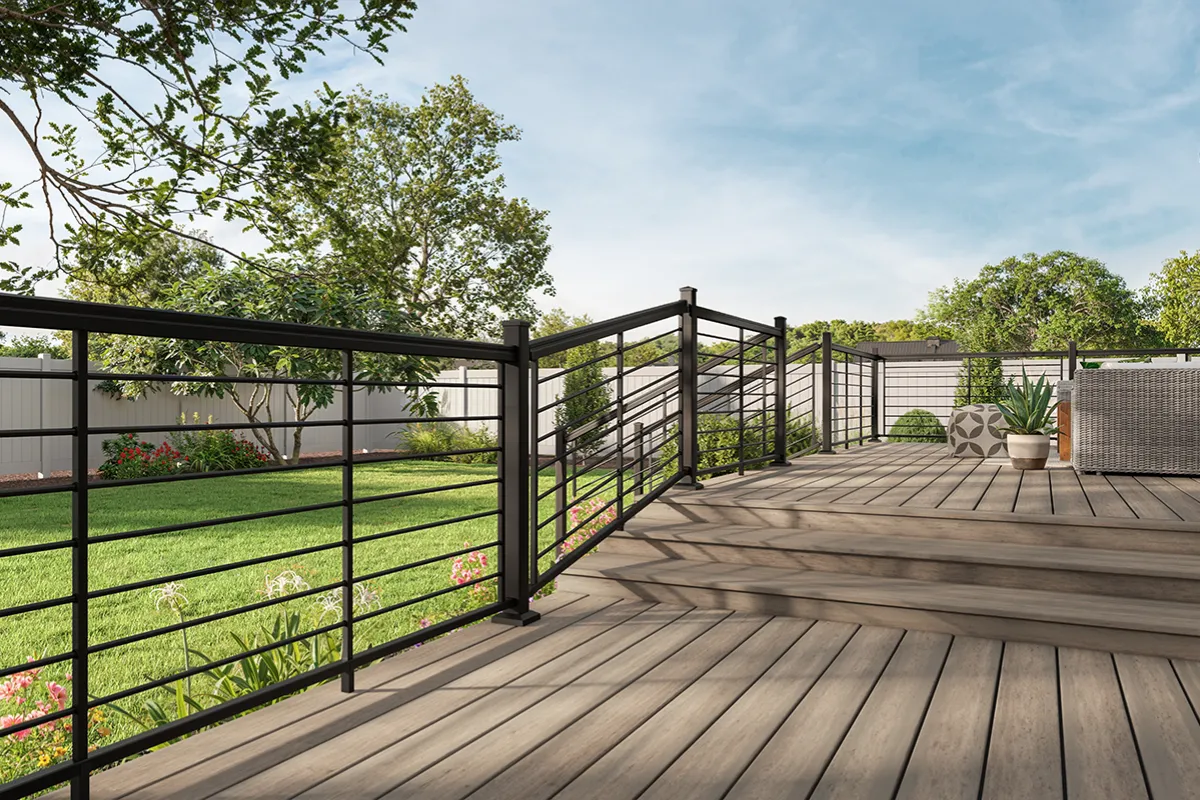
MoistureShield Deck Cost
MoistureShield decking is engineered for high moisture environments and offers strong resistance to water damage. Some collections include advanced features like heat reduction technology and high slip resistance, which can impact overall pricing. These performance benefits make it a strong choice for pool decks and outdoor living spaces exposed to the elements.
To get a precise estimate, use our MoistureShield decking calculator and see how your project adds up.
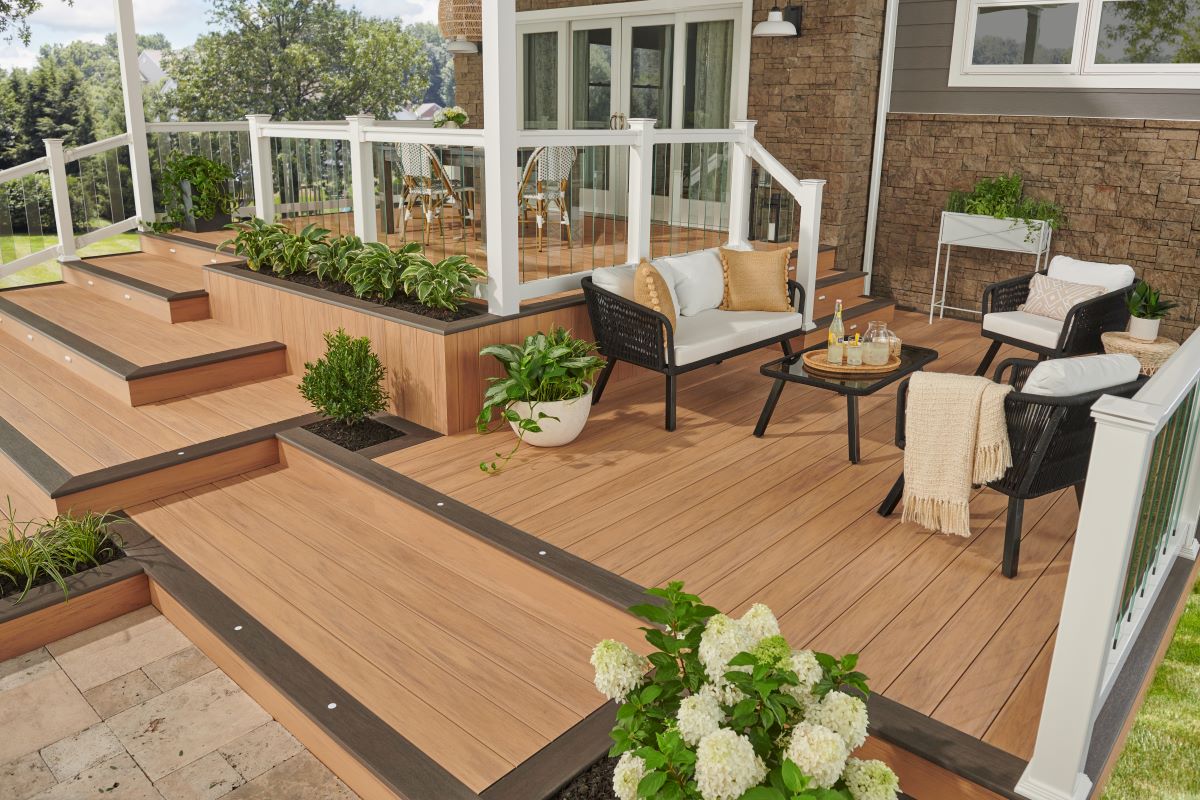
Wolf Deck Cost
Wolf decking offers PVC options that are lightweight, durable, and resistant to moisture and wear. These boards are often easier to install and maintain, which can help reduce long-term costs. Pricing can vary depending on the style and collection, but Wolf remains a competitive option in the synthetic decking space.
Try our Wolf decking calculator to generate a full cost estimate based on your deck size.
How to Choose the Right Decking Brand for Your Budget
Choosing a decking brand is not just about picking the lowest price. The right option depends on how you plan to use your space, how long you want it to last, and how much maintenance you are willing to handle over time.
If your goal is to stay within a tighter budget, entry-level composite options from brands like Trex or Fiberon can provide a clean look without pushing your total project cost too high. These products offer solid performance and are a practical starting point for many homeowners.
For those planning a long-term outdoor living space, it may make more sense to invest in higher-end materials. Brands like TimberTech, Deckorators, and MoistureShield offer advanced durability, better resistance to moisture, and enhanced performance in demanding conditions. While the upfront cost may be higher, these materials can reduce maintenance and replacement costs over time.
Appearance also plays a role in your decision. Some brands focus heavily on realistic wood grain textures and richer color variation, while others prioritize consistency and simplicity. If design is a top priority, options like Envision or premium composite lines may offer the visual impact you are looking for.
Instead of focusing on price alone, it helps to compare value across each brand. A slightly higher material cost may deliver better performance, longer lifespan, and a more polished final result. Taking the time to weigh these factors can help you choose a decking solution that fits both your budget and your long-term goals.
Frequently Asked Questions About Deck Cost
The cost of a deck can vary depending on the size, materials, and overall design. On average, most composite deck projects range between $25 and $60 per square foot when you factor in materials, railing, and labor. Smaller decks with basic features will fall on the lower end, while larger decks with premium materials and custom details will increase the total project cost. The best way to get an accurate number is to calculate your specific deck based on size and brand rather than relying on general averages.
Yes, the decking brand you choose has a direct impact on your total cost. Each brand offers different materials, product tiers, and system components, all of which influence pricing. Some brands focus on budget-friendly composite boards, while others offer premium PVC or mineral-based options with enhanced durability and performance. Even if two decks are the same size, choosing a higher-end brand can significantly increase the final cost due to material quality, warranty, and added features.
Pressure-treated wood is typically the most affordable decking option upfront, but it requires ongoing maintenance such as staining, sealing, and repairs. Among composite options, entry-level collections from brands like Trex and Fiberon are often the most budget-friendly while still offering better durability than wood. While these options cost more initially than wood, they usually require less maintenance over time, which can help reduce long-term expenses.
Premium PVC and high-end composite decking tend to be the most expensive options. These materials are designed for maximum durability, moisture resistance, and long-term performance. Brands that offer advanced technology, deeper wood grain finishes, and extended warranties typically fall into this higher price range. Although the upfront cost is higher, these materials often provide better longevity and reduced maintenance, which can make them a worthwhile investment over time.
Composite decking is often worth the investment for homeowners who want a low-maintenance and long-lasting outdoor space. Unlike wood, composite boards do not require regular staining or sealing, and they are more resistant to fading, staining, and moisture damage. While the initial cost is higher than traditional wood, many homeowners find that the reduced maintenance and longer lifespan make composite decking a more cost-effective option in the long run.
The most accurate way to estimate your deck cost is to use a decking calculator based on your specific project details. Factors like deck size, layout, railing, and material choice all influence the final price, so general estimates are often not precise enough. Using a calculator allows you to input your dimensions and compare different brands to see how your total cost changes. This approach gives you a clear and realistic budget before you begin your project.