
The place for all your outdoor living space!


Many homeowners ask can you paint Trex decking when they want to refresh the look of their outdoor space. A color choice that once felt right may no longer match the home, or the deck may look dull after years outside. Trex decking is different from a traditional wood deck. It uses special composite materials.
These materials help reduce maintenance. They also eliminate the need for regular painting and staining. That difference matters when deciding whether paint or stain makes sense.
This guide explains how Trex decking works. It also discusses why painting can cause problems. Finally, it suggests better options for homeowners before changing the deck surface.
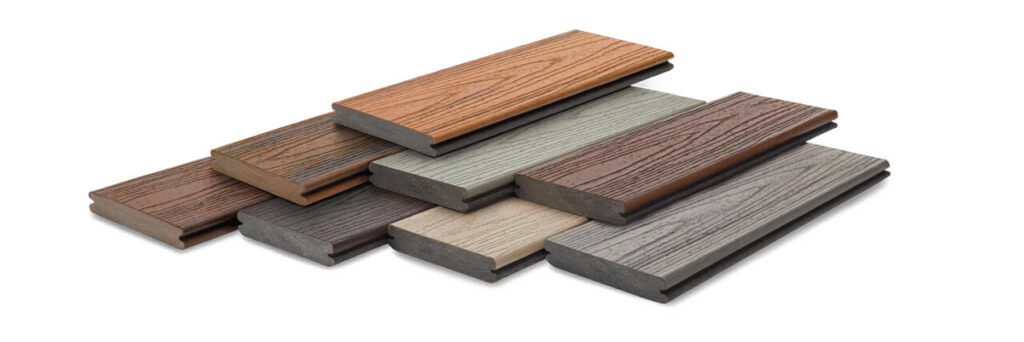
Trex boards use engineered composite materials instead of natural wood. Manufacturers blend recycled plastic with wood fiber to create durable composite decking boards. Most modern products also include a protective outer layer called capped composite decking.
This cap shields the surface from moisture, stains, and daily wear. It also helps maintain consistent color and reduces fading over time. Because of this construction, the boards do not need routine painting and staining like a traditional wood deck.
The capped surface resists stains or paints and limits absorption. That resistance explains why coatings behave differently on composite materials than on wood. This design focuses on high quality performance with less long-term maintenance.
Can You Paint Trex Decking?
Many homeowners wonder can you paint Trex decking when the deck color no longer fits their home. The short answer is that most modern Trex boards do not work well with paint. Manufacturers design these composite decking boards to hold color without added coatings.
So, can Trex be painted? In rare cases, older composite materials without a protective cap may accept paint. Most current products use capped composite decking, which blocks paint from bonding properly. When homeowners try painting Trex composite decking, the paint usually stays on the surface instead of adhering.
This issue leads to peeling, chipping, and uneven coverage over time. A painted deck also requires ongoing maintenance, similar to a wood deck. That upkeep defeats the purpose of choosing low-maintenance composite materials.
In addition, applying paint can void the warranty. Manufacturers test these boards without stains or paints applied. Altering the surface changes how the boards perform and age. For these reasons, professionals rarely recommend painting your deck if it uses modern composite decking boards.
Why Painting Trex Decking Is Not Recommended
Manufacturers design composite decking boards to perform without added coatings. The capped composite decking surface blocks moisture, dirt, and debris. That same surface also prevents stains or paints from bonding correctly. Paint cannot penetrate the cap the way it does with a wood deck.
When homeowners apply paint, it stays on the surface instead of absorbing. Over time, foot traffic, heat, and weather cause the paint to peel or chip. The deck often looks uneven, especially in high-use areas. A painted deck usually requires frequent touch-ups and ongoing maintenance.
Painting your deck also removes the low-maintenance benefit of composite materials. Homeowners often choose composite boards to avoid repeated painting and staining. Once paint enters the picture, upkeep becomes similar to maintaining a wood deck.
Applying paint or stain can also void the warranty. Manufacturers test and guarantee performance without stains or paints applied. Altering the surface changes how the boards age and perform. For these reasons, professionals rarely recommend painting Trex decking or similar capped composite products.
Can You Paint Composite Decking Boards?
Homeowners often ask if they can paint composite decking boards when paint fails on Trex products. The answer depends on the type of composite materials used. Not all composite decking boards behave the same way.
Older composite boards without a protective cap may accept paint under certain conditions. These boards contain exposed wood fiber, which allows some absorption. Even then, paint performance varies and often looks inconsistent over time.
Modern composite decking boards usually include capped composite decking technology. The cap seals the surface and blocks stains or paints from bonding. Because of this design, paint tends to sit on top and wear quickly.
Painting composite decking boards also increases maintenance. A painted surface requires cleaning, touch-ups, and reapplication. Many homeowners choose composite materials specifically to avoid this upkeep. For most decks, paint does not provide a reliable or long-lasting solution.
Can You Stain Trex Decking?
Homeowners often ask if stain works better than paint on composite surfaces. In most cases, staining Trex decking does not work as expected. Modern boards use a capped surface that blocks absorption. Stain needs penetration to bond, and this surface does not allow that.
When homeowners try staining Trex composite decking, the stain usually sits on top. The color often looks uneven and fades quickly. Foot traffic and weather wear it away faster than on a wood deck. This result leads to frustration and added maintenance.
Staining also removes the low-maintenance benefit of composite materials. Trex designs its boards to keep color without coatings. Adding a deck stain introduces upkeep that the material never required. In some cases, staining your composite surface can void the warranty.
For these reasons, professionals rarely recommend staining Trex decking. Regular cleaning with the right deck cleaner keeps the surface looking better than stain ever will.
Can You Stain Composite Decking at All?
Stain works on some composite surfaces, but results depend on board construction. Older composite decking boards without a protective cap may absorb stain. These boards often contain exposed wood fiber, which allows limited penetration.
Even in those cases, staining your composite deck rarely looks consistent. Color can appear blotchy and fade unevenly over time. Weather and foot traffic speed up wear, especially on horizontal surfaces.
Modern composite materials use capped composite decking technology. The cap seals the surface and blocks absorption. Because of that barrier, deck stain cannot bond correctly. Stain behaves more like a surface coating and wears off quickly.
Most homeowners see better results by cleaning the deck instead of staining it. A proper deck cleaner removes buildup and restores appearance without added maintenance. For most composite decks, stain creates more problems than benefits.
What Happens If You Paint or Stain Trex Decking Anyway?
Homeowners sometimes move forward with paint or stain despite recommendations. In most cases, the results disappoint. Paint or stain sits on the surface instead of bonding. Foot traffic and weather cause peeling, chipping, and uneven wear.
A painted deck also needs regular upkeep. Homeowners must clean the deck more often and reapply coatings. This routine mirrors the maintenance cycle of a wood deck. That outcome defeats the purpose of choosing composite materials.
Surface coatings can also affect performance. Paint can reduce slip resistance when wet. Stain can trap dirt and show wear patterns quickly. These issues make the deck look older faster.
Applying stains or paints may also void the warranty. Manufacturers design these boards to perform without coatings. Altering the surface changes how the material ages. Many homeowners regret painting once problems appear.
How to Prepare a Deck If You Still Choose to Paint
Painting composite decking comes with risks, but preparation makes a difference. Follow these steps carefully before moving forward.
Step 1: Clean the Deck Thoroughly
Start by cleaning the deck surface completely. Use a deck cleaner made for composite materials. Avoid harsh chemicals that can damage the surface.
A proper cleaning product removes dirt, oils, and residue that block adhesion. Rinse the deck well and remove all cleaner buildup.
Step 2: Allow the Deck to Dry Fully
Let the deck dry completely before applying anything. Trapped moisture causes paint failure. Most surfaces need at least twenty-four hours of dry weather. Humidity and shade can extend drying time.
Step 3: Lightly Scuff the Surface
Light sanding can help roughen the surface slightly. This step may improve grip but does not guarantee long-term success. Focus on creating an even texture. Remove all dust after sanding.
Step 4: Choose the Right Paint
Select a high quality exterior paint designed for composite surfaces. Standard wood deck products rarely perform well here. Avoid deck stain products, since stain requires absorption to work properly.
Step 5: Apply Paint Carefully
Apply paint in thin, even coats. Avoid heavy layers that trap moisture. Follow the manufacturer’s instructions closely. Even with careful application, paint rarely lasts long on capped composite decking.
Better Alternatives to Painting Trex Decking
Many homeowners want a color change, not a maintenance problem. Better options exist that protect performance and appearance.
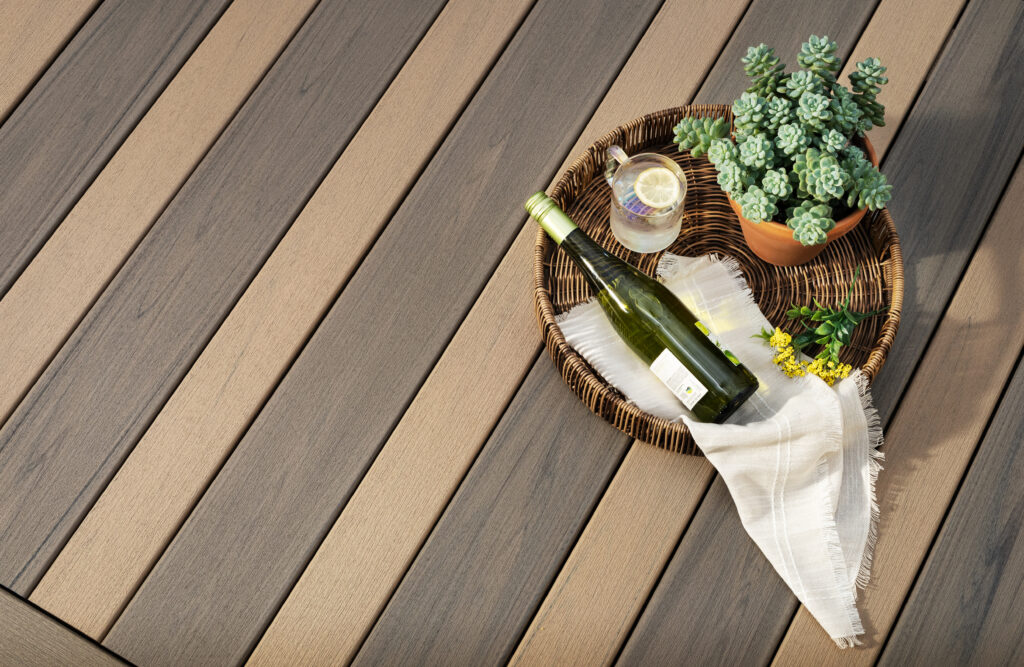
Replacing select boards offers a clean solution. Swapping a few composite decking boards refreshes the look without ongoing upkeep. This option works well for high-traffic or faded areas.
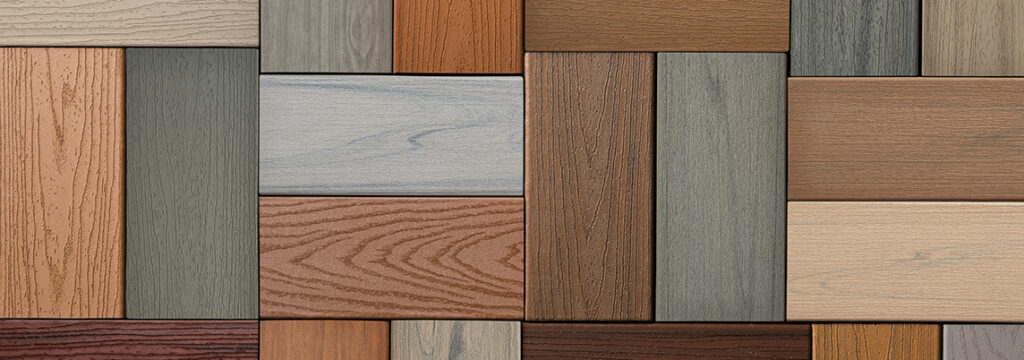
Choosing a different board color during an upgrade also helps. Modern composite materials offer wide color ranges that stay consistent over time. This approach avoids painting and staining altogether.
Regular cleaning delivers surprising results. Using a proper deck cleaner removes buildup and restores surface color. A quality cleaning product often improves appearance more than stains or paints.
Adding accessories can change the look without coatings. Railings, fascia, lighting, or furniture shift visual focus. These upgrades keep the surface intact and maintain high quality performance.
For most homeowners, these alternatives cost less long term. They preserve durability, avoid warranty issues, and keep maintenance low.
Conclusion
Many homeowners ask can you paint Trex decking when they want a quick visual change. In most cases, paint and stain do not deliver lasting results on composite surfaces. Modern capped composite decking resists absorption and prevents coatings from bonding correctly.
If you paint or stain composite, you often create more maintenance instead of less. Peeling, fading, and uneven wear commonly follow. These issues remove the low-maintenance advantage that composite materials offer over a traditional wood deck.
Homeowners usually see better results by choosing alternatives. Cleaning the deck regularly, replacing select boards, or upgrading colors during a remodel protects performance and appearance. These options avoid warranty concerns and preserve long-term durability.
Before painting your deck, consider how the material works. Composite decking boards perform best when left uncoated. Choosing solutions designed for composite materials keeps the deck looking better for years.
Frequently Asked Questions About Painting Trex Decking
Painting Trex decking can void the warranty in many cases. Manufacturers design these boards to perform without stains or paints. Altering the surface changes how the material wears and ages.
Some paints claim compatibility with composite materials. Even high quality products struggle to bond to capped composite decking. Most paints fail faster than expected.
Painting composite decking rarely delivers long-term value. Maintenance increases, and results often disappoint. Most homeowners regret choosing paint over other options.
Stain works best when it can absorb into the surface. Composite decking boards resist absorption, especially capped products. Staining your composite deck usually leads to uneven color and early wear.
Regular cleaning works best. Use a deck cleaner and rinse thoroughly. Let the deck dry fully before use. This approach preserves appearance without added coatings.