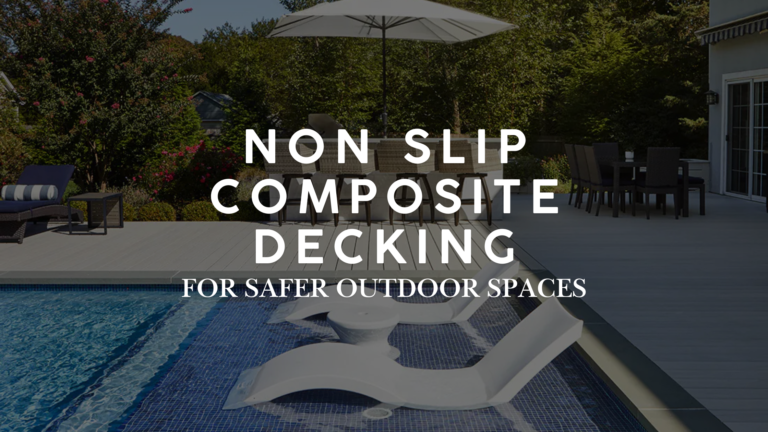
The place for all your outdoor living space!


Many homeowners ask the same question when planning a new deck. Does composite decking get hot in the sun?
This concern matters even more for families who spend a lot of time outdoors. People want a deck surface that stays comfortable for bare feet, pets, and everyday outdoor living. Because of this, many homeowners begin researching heat resistant composite decking and other modern decking materials designed to perform better in direct sunlight.
Today’s composite decking boards use advanced composite materials that help reduce heat absorption compared to traditional wood decking. Many newer decking products also include protective cap layers that help resist fading, reduce heat buildup, and maintain their appearance long term.
Homeowners also compare composite boards with PVC decking, another popular decking material known for durability and low maintenance. Both options offer improvements over traditional wood decks, especially when the goal is to create a deck surface that stays cooler and more comfortable in full sun.
In this guide, we will explain how heat resistant composite decking works, what affects deck surface temperature, and which decking products perform best in warm conditions. We will also highlight some popular deck colors that help create a cooler, more comfortable outdoor space.
Do Composite Decks Get Hot in the Sun?
All decking materials heat up when exposed to direct sunlight. The deck surface absorbs solar heat throughout the day, which raises the surface temperature. This happens with traditional wood decks, composite decking boards, and pvc decking. The difference comes from how each decking material handles heat absorption and how quickly the surface releases that heat.
Decking Material Matters
Different decking materials respond to sunlight in different ways. Traditional wood decking absorbs heat and can become uncomfortable under bare feet during hot summer days. Wood boards also dry out over time, which can lead to cracking, fading, and splintering.
Modern composite materials combine wood fibers and polymers to create a more stable decking product. Manufacturers engineer many resistant composite decking boards with protective cap layers that help control heat absorption and improve long term durability. PVC decking contains no wood fibers, which often helps it maintain more consistent performance in extreme sun exposure.
Color and Heat Absorption
Deck color plays a major role in how hot the surface becomes. Dark boards absorb more heat, while lighter colors reflect more sunlight. This simple difference can significantly affect how comfortable the deck feels under bare feet.
Homeowners who build decks in full sun often choose lighter colors to help reduce surface temperature. These colors can make a noticeable difference for families with children, pets, or pool decks where people spend time walking barefoot across the deck surface.
Why Modern Composite Decking Stays Cooler
Modern composite decking uses improved engineering to reduce heat buildup on the deck surface. Many heat resistant composite decking products include protective cap layers that reflect sunlight and limit heat absorption. These layers also help resist fading and staining over time.
Some composite decking boards also use internal structures that help release heat more efficiently. This allows the deck surface to cool faster after direct sun exposure compared to older composite materials or traditional wood decks.
Many manufacturers refer to these improvements as cool deck technology. These designs help reduce surface temperature while also improving the long term durability of the decking product.
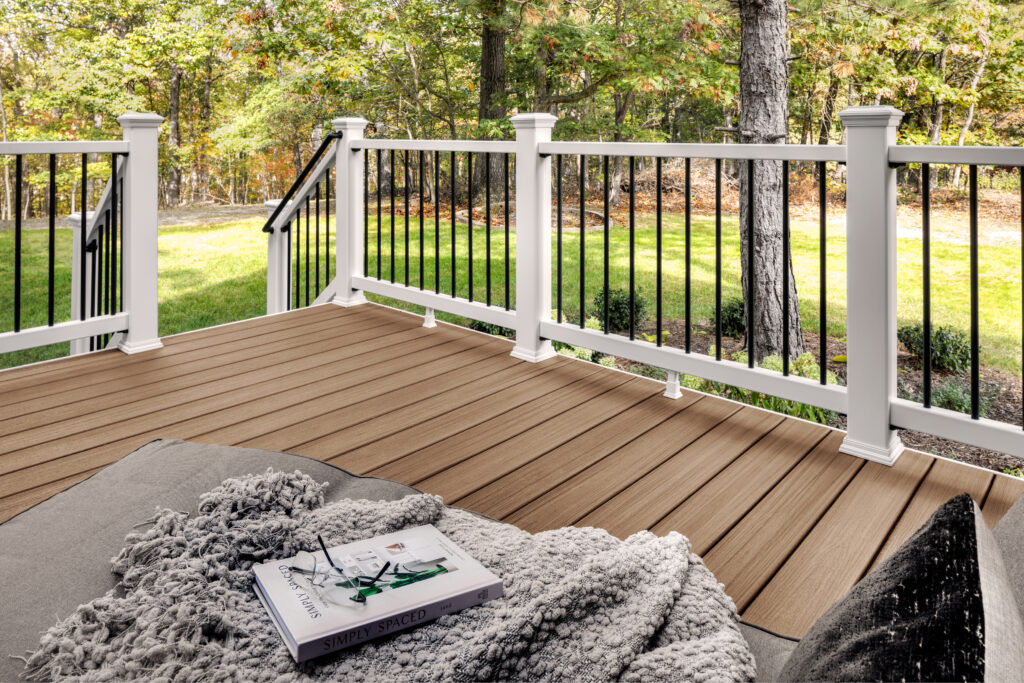
Heat Resistant Composite Decking for Pets and Kids
Families often think about comfort and safety when choosing a decking material. Children run across the deck, pets lie in the sun, and many people prefer to walk outside barefoot. Because of this, composite decking heat resistance for pets and kids becomes an important factor when planning a deck.
Heat resistant composite decking can create a more comfortable space for everyday use. Many modern composite decking boards maintain a more consistent surface compared to traditional wood decks, which can become very hot and rough over time. Composite boards also avoid common wood problems such as splinters and surface cracks.
Many composite decking products also include textured finishes that improve slip resistance. This helps provide better footing when the deck becomes wet, which is especially helpful around pool decks and outdoor entertaining spaces.
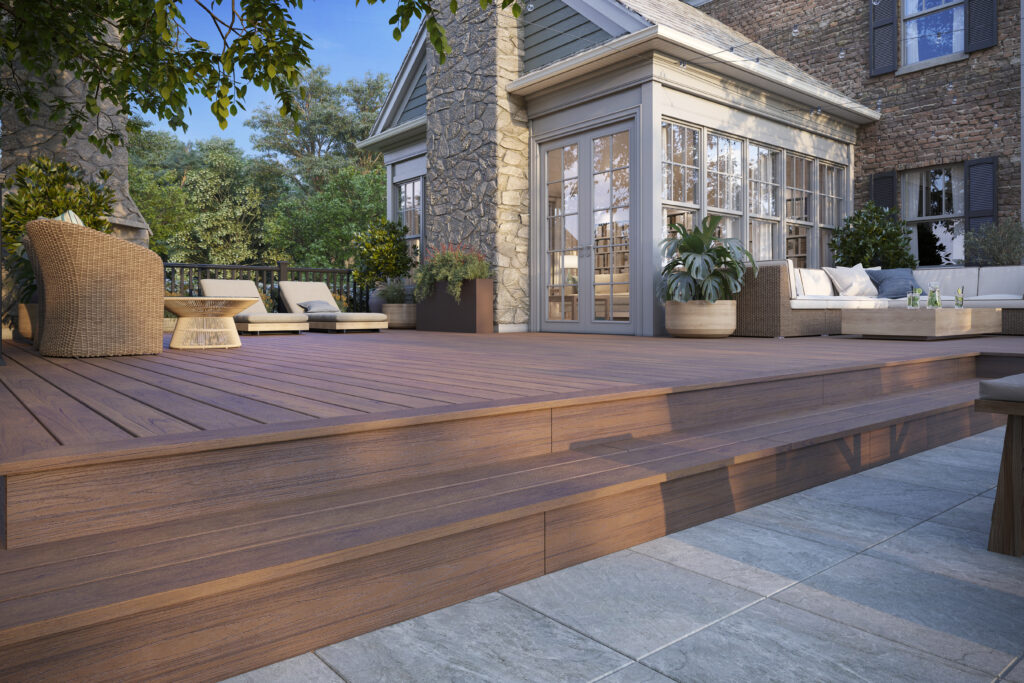
Cool Deck Technology Explained
Manufacturers continue to improve composite decking by developing what many refer to as cool deck technology. This term describes design improvements that help control how heat moves through the decking material.
Earlier composite boards often trapped heat because of dense construction and darker finishes. Modern decking products use improved composite materials and cap layers that help manage how the board reacts to sunlight.
Many boards now include advanced polymer caps that protect the surface while also helping the material resist fading and staining. These caps also help maintain color stability over time, which keeps the deck looking consistent even after years of sun exposure.
Board construction also plays an important role. Some composite decking boards use engineered profiles that allow heat to disperse more evenly across the deck surface. This design helps prevent certain areas of the deck from becoming excessively hot.
These improvements make modern composite decking a more comfortable and durable option for outdoor living spaces. Homeowners can now choose decking materials designed to perform better in sunny environments while maintaining long term appearance and strength.
Deck Colors That Help Keep Your Deck Cooler
Deck color plays a major role in surface temperature. Lighter colors reflect more sunlight and typically stay cooler than darker decking options.
Many composite decking boards and PVC decking products now come in lighter shades designed for sunny outdoor spaces. Choosing the right color can make a noticeable difference when walking across the deck with bare feet or when pets spend time outdoors.
Below are several popular deck colors that help create a cooler deck surface while maintaining a natural wood appearance.
TimberTech Deck Colors for Sunny Deck Spaces
TimberTech offers several colors that work well for decks exposed to strong sunlight. These tones provide a natural wood appearance while maintaining the durability expected from composite decking.
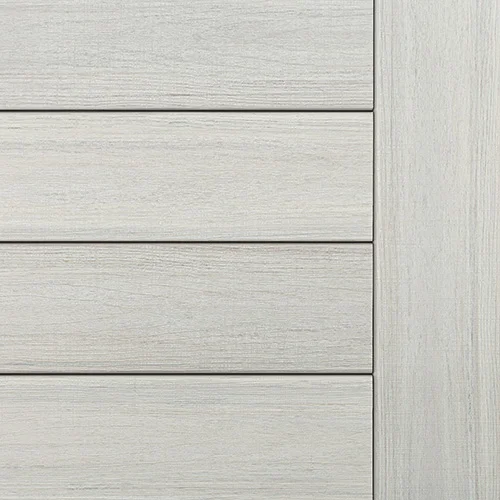
TimberTech Boardwalk
Boardwalk features a soft, weathered gray tone that works well in bright outdoor spaces. The lighter color helps reduce heat absorption while giving the deck a relaxed coastal look.
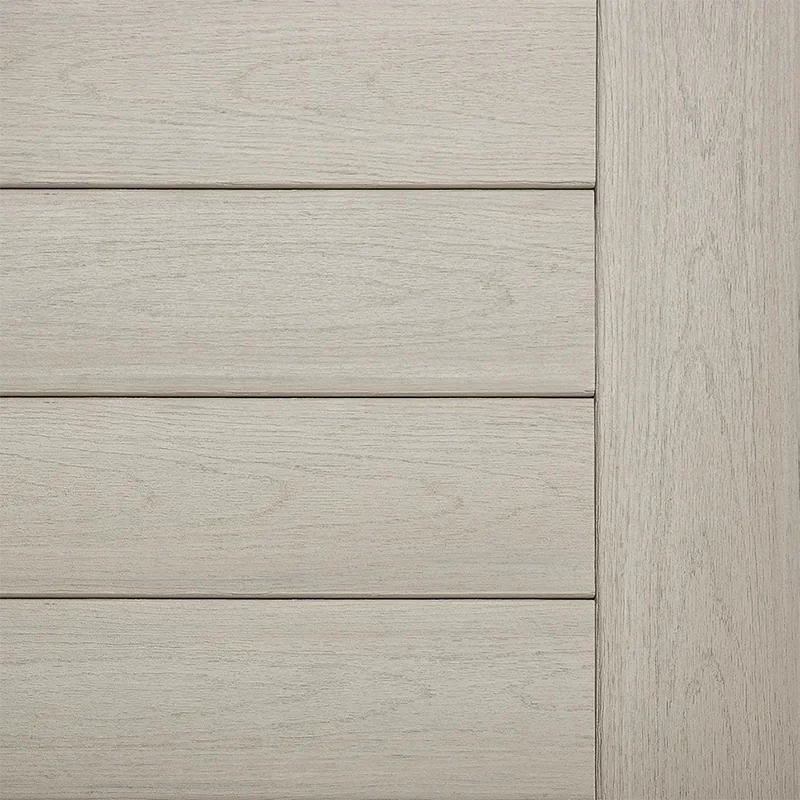
TimberTech Timber Gray
Timber Gray offers a balanced gray color that pairs well with many home styles. Its neutral tone blends easily with landscaping and keeps deck cool in sunny conditions.
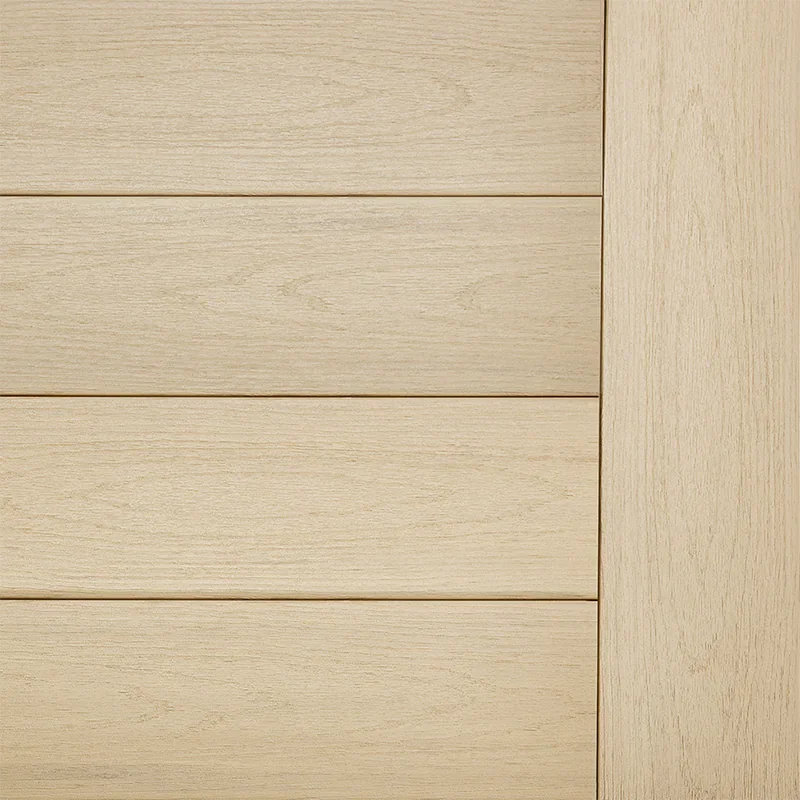
Timbertech Toasted Wheat
Toasted Wheat brings a warm, natural wood tone to composite decking. This color adds warmth to outdoor living spaces while still helping control heat buildup on the deck surface.
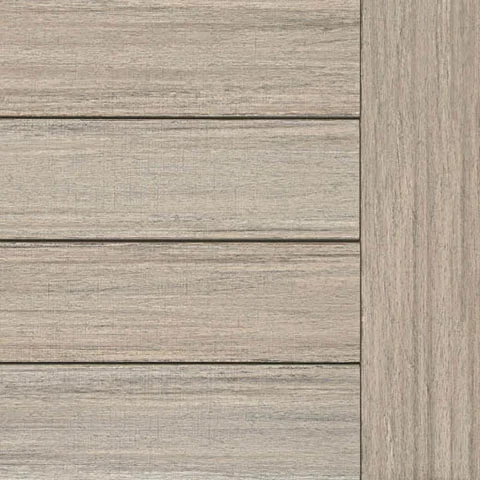
TimberTech French White Oak
French White Oak features a light, natural wood tone inspired by classic oak flooring. The soft color helps reflect sunlight while creating a bright deck surface for outdoor living areas.
Trex Deck Colors for Full Sun Decks
Trex also offers color options designed for bright outdoor environments. These tones combine realistic wood aesthetics with the long term durability of composite materials.
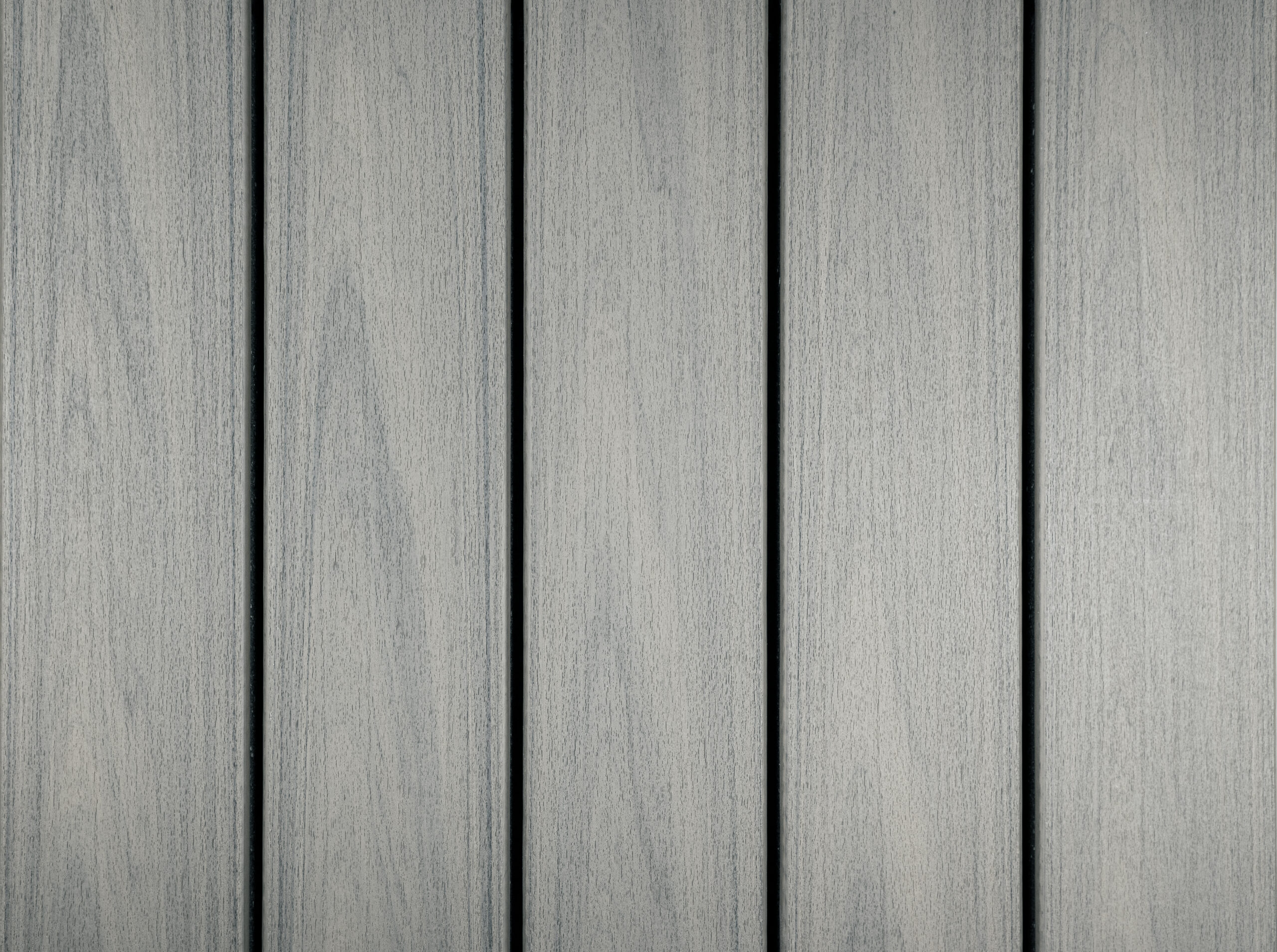
Rainier presents a cool, light gray color that works well for modern deck designs. Its lighter shade helps reflect sunlight and keeps the deck feeling more comfortable during warm days.
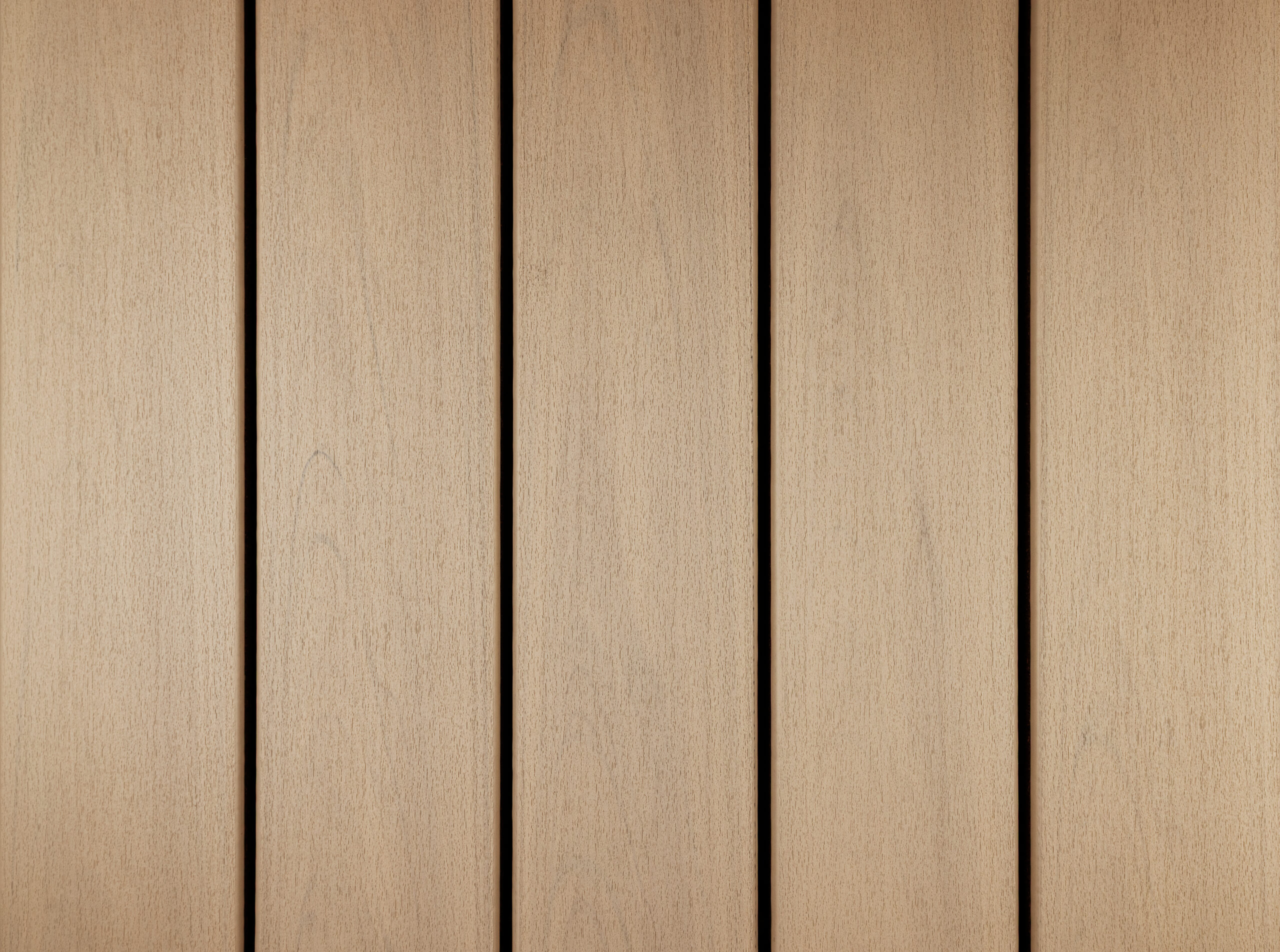
Carmel offers a soft brown tone with subtle warmth that complements many outdoor spaces. This color creates a natural look while maintaining a balanced surface temperature.
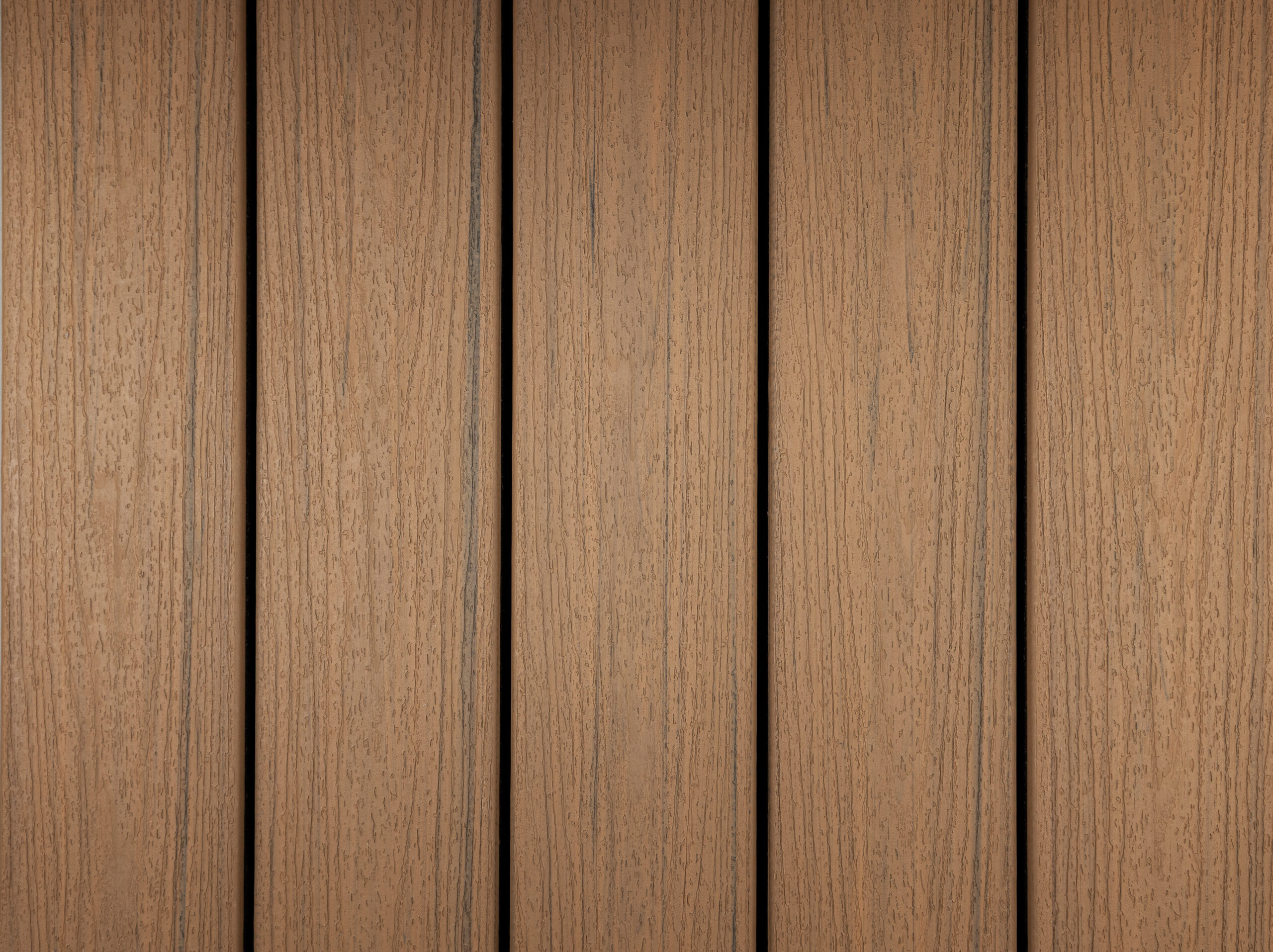
Golden Hour features a warm golden-brown tone inspired by natural hardwoods. The color adds richness to the deck while still performing well in sunny backyard environments.
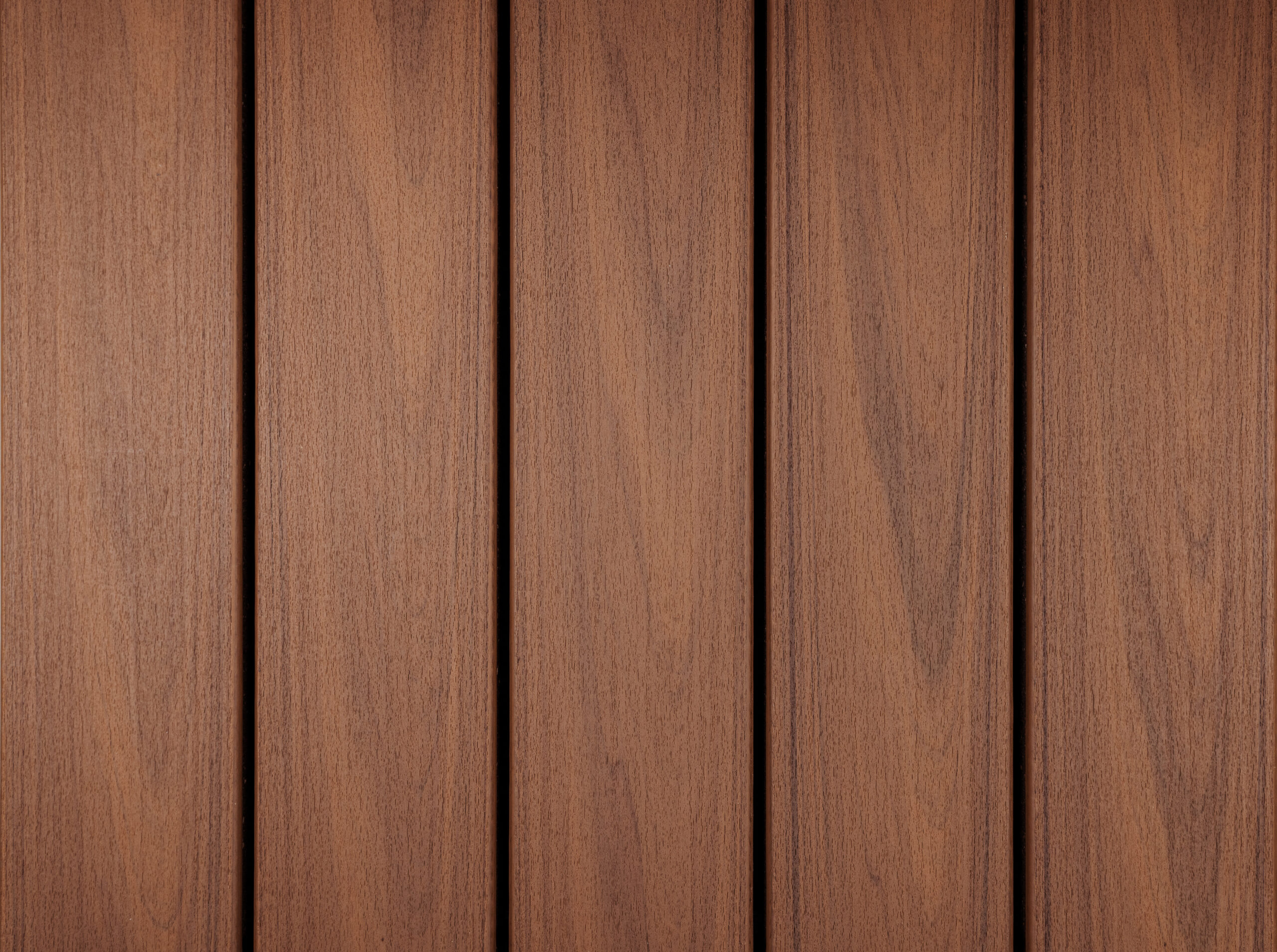
Hatteras provides a light coastal brown tone that works beautifully in open outdoor spaces. Its balanced color helps the deck blend with natural surroundings.
Deckorators Deck Colors for Sunny Deck Spaces
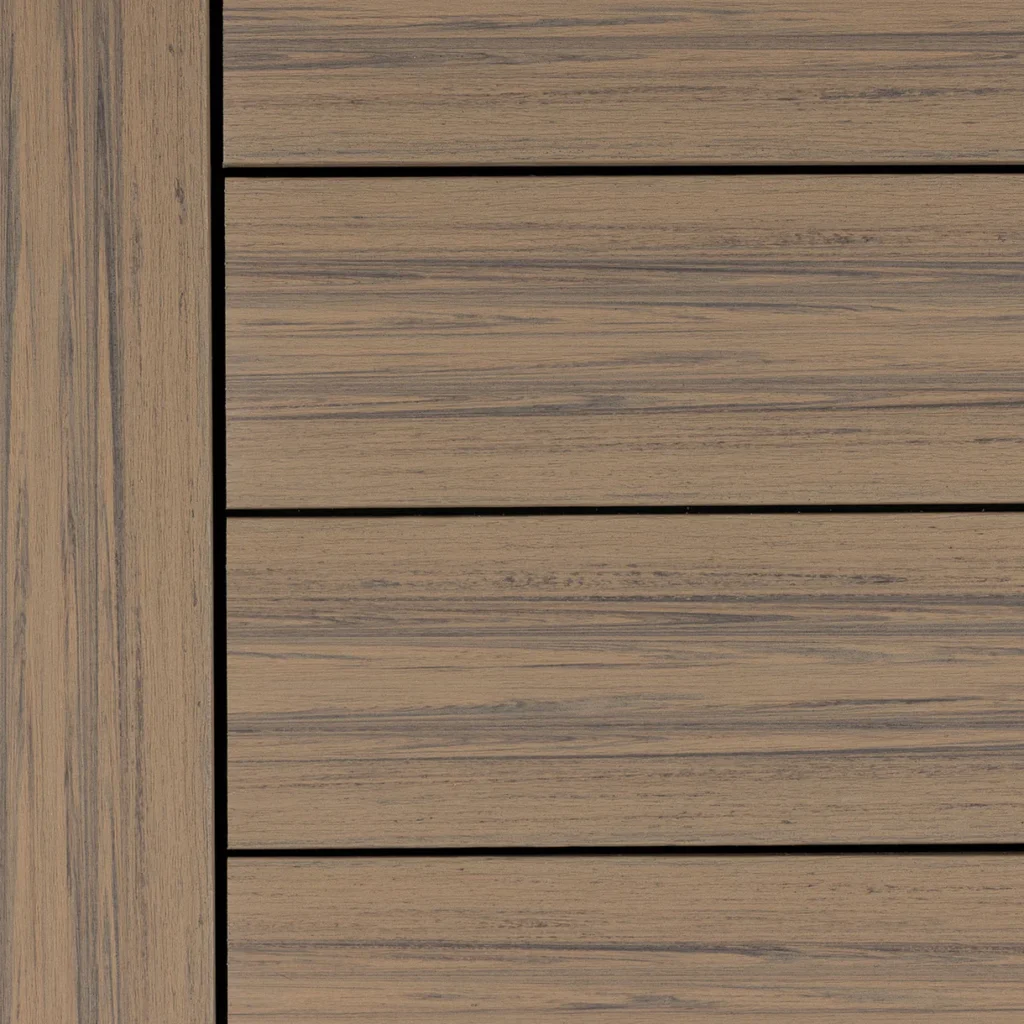
Costa features a warm brown tone with natural color variation that resembles real wood decking. This color adds rich warmth to outdoor spaces while maintaining the durability expected from Deckorators composite decking.
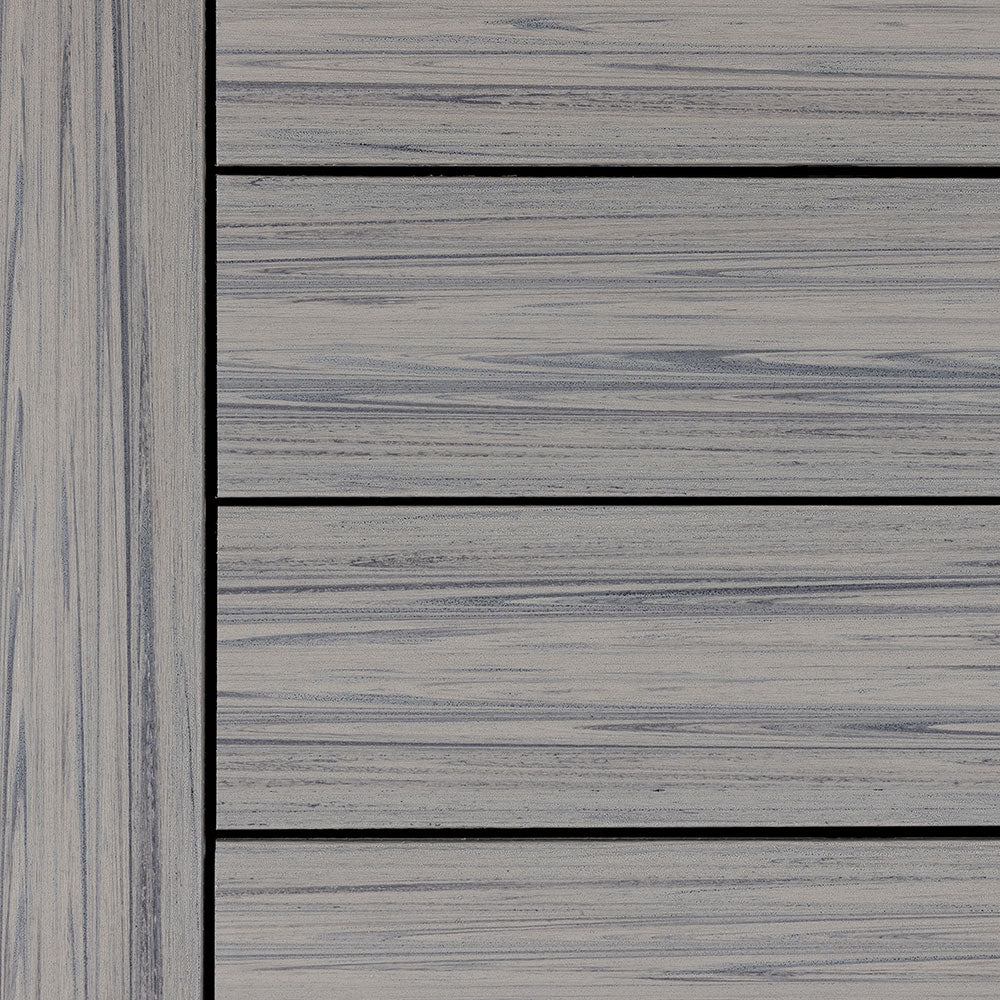
Tundra features a light gray tone with subtle grain patterns that brighten modern deck designs. The lighter color reflects more sunlight and helps create a cooler deck surface during hot summer days.
Deckorators offers several composite decking colors that perform well in sunny outdoor environments. These mineral-based composite boards combine durability with lighter tones that help create a more comfortable deck surface in warm conditions.
Best Composite Decking Brands for Extreme Heat
Not all composite decking performs the same in hot weather. Different manufacturers use different materials, board structures, and cap layers. These choices can affect how the deck surface reacts to direct sunlight. Because of this, some composite decking brands perform better than others in full sun environments.
Leading manufacturers have spent years improving their decking products to better manage heat, maintain color, and resist long term wear. Brands like Trex and TimberTech design composite decking boards with advanced cap layers. These layers help protect the surface from fading and staining. They also keep the boards durable in outdoor conditions.
Many of these decking products also use improved composite materials that create a more stable deck surface over time. This construction helps the boards maintain their appearance while standing up to constant sun exposure, moisture, and everyday foot traffic.
PVC decking options can also perform well in extreme heat. Because PVC boards contain no wood fibers, they often maintain more consistent performance in hot climates and high sun environments. This makes them a strong choice for pool decks and open backyard decks that receive sunlight throughout the day.
At Premium Decking Supply, homeowners can compare multiple decking brands and materials in one place. Seeing different colors, board textures, and decking products side by side helps homeowners choose the best composite decking for full sun based on their specific outdoor space.
Composite vs Wood Decking in Hot Weather
Many homeowners compare composite decking and wood decking when planning a new deck. Both materials absorb heat when exposed to sunlight, but they behave differently over time.
Traditional wood decks can become very hot during the summer, especially when darker stains are used. Wood also reacts to weather changes by expanding, drying, and cracking. As the surface ages, boards can splinter and become rough, which makes walking barefoot uncomfortable.
Composite decking boards provide a more consistent deck surface because manufacturers design them to handle outdoor conditions more effectively. Many homeowners searching for the coolest composite decking often compare different brands and colors to find boards that manage heat better in sunny conditions.
The protective cap layer on many composite products helps resist fading and staining while maintaining a smoother surface. These boards also maintain their structure better over time compared to traditional wood decks.
Another advantage appears over the long term. Wood decking often requires sanding, staining, and sealing to maintain its appearance. Composite decking materials require much less maintenance while still holding their color and strength.
For many homeowners, this balance of durability, comfort, and low maintenance makes composite decking a practical decking material for outdoor living spaces that receive regular sun exposure.
How to Choose the Best Composite Decking for Full Sun
Choosing the right decking material becomes especially important when a deck receives direct sunlight throughout the day. Decks built in open backyards, near pools, or on elevated spaces often experience the highest surface temperatures. Homeowners who want a more comfortable outdoor space should consider several factors before selecting composite decking boards.
Choose Lighter Colors
Lighter colors reflect more sunlight than darker tones. Because of this, many homeowners choose soft grays, natural browns, or warm neutral tones for decks exposed to full sun. These colors can help reduce heat absorption and create a deck surface that feels more comfortable during warm afternoons.
Consider PVC Decking Options
PVC decking can also perform well in sunny environments. Since these boards contain no wood fibers, they often respond differently to heat compared to traditional composite materials. Many homeowners choose PVC decking for pool decks or outdoor living areas that receive constant sun exposure.
Think About Deck Layout
Deck design can also affect how much heat the surface holds. Shade from pergolas, railings, nearby trees, or covered patio areas can help reduce direct sunlight on parts of the deck. Even partial shade during the afternoon can make a noticeable difference in comfort.
Compare Decking Products in Person
Seeing decking products in person can help homeowners better understand color, texture, and overall appearance. Viewing different composite decking boards side by side makes it easier to choose a decking material that fits both the style of the home and the conditions of the outdoor space.
Frequently Asked Questions About Composite Decking and Heat
Yes, composite decking can get warm when exposed to direct sunlight. However, many modern composite decking boards manage heat better than older materials. Factors such as color, board construction, and sun exposure all influence the surface temperature.
The coolest composite decking usually comes from lighter color collections and boards designed with advanced cap layers. These products help reduce heat absorption and create a deck surface that feels more comfortable during hot summer days.
Lighter colors usually stay cooler than darker tones because they reflect more sunlight. Shades like light gray, soft brown, and natural wood tones often maintain a lower surface temperature than darker deck boards.
Composite decking can be comfortable for pets when the right color and material are chosen. Many homeowners select lighter boards or decking products designed for sunny environments to help create a more comfortable deck surface for pets and children.
PVC decking can sometimes maintain a slightly lower surface temperature because it contains no wood fibers. However, color and sun exposure still play a major role in how hot the deck surface becomes.