
The place for all your outdoor living space!


Learning how to clean Wolf decking does not have to feel complicated. These boards are designed to handle everyday use, changing weather, and moisture without the constant upkeep that comes with wood. Even with that durability, dirt, pollen, and debris can still build up over time and affect how your deck looks.
With a simple cleaning routine, you can keep your Wolf deck looking consistent and well maintained throughout the year. You do not need harsh chemicals or specialized products. The right approach and a few basic tools will go a long way.
Understanding Wolf Decking Before Cleaning
Before you start cleaning, it helps to understand what type of Wolf decking you have. Each product line is designed for durability, but the material affects how dirt and moisture sit on the surface.
Wolf PVC Decking
Wolf Serenity, Wolf Haven, and Wolf Serenity Porch are all made from advanced cellular PVC. These boards resist moisture, mold, and mildew, which makes them a strong choice for outdoor spaces exposed to rain, humidity, or pool areas.
Because PVC decking does not absorb water, most dirt and buildup stay on the surface. This makes cleaning more straightforward compared to traditional materials. Regular rinsing and light scrubbing usually remove most debris without much effort.
These boards also hold their color well and resist fading over time, even with consistent sun exposure . That means routine cleaning focuses more on maintaining appearance rather than correcting damage.
Wolf Composite Decking
Wolf Perspective combines recycled wood fibers with durable polymers to create a strong, stable deck surface. It delivers the look of natural wood while improving resistance to cracking, splitting, and long-term wear.
Composite decking still offers low maintenance, but its textured surface can hold onto dirt, pollen, and organic debris more easily than PVC. Regular cleaning helps prevent buildup and keeps the boards looking even across the entire deck.
The protective outer layer helps resist staining and fading, so most cleaning stays at the surface level without needing aggressive products .
What to Know Before Cleaning Wolf Decking
Before cleaning your deck, keep the process simple and avoid overthinking it. Wolf decking is designed to be low maintenance, so you only need mild soap, water, and a soft-bristle brush to remove most dirt and buildup. Avoid using harsh chemicals or abrasive tools, since they can damage the surface and affect the finish over time. If you decide to use a specific cleaner, test it in a small area first to make sure it does not impact the color. Clearing off loose debris before you start will also make the cleaning process more effective and help you get a more even result across the entire deck.

Routine Cleaning for Wolf Decking
Keeping your Wolf deck clean starts with a simple routine. Dirt, dust, and outdoor debris collect quickly, especially in high-traffic areas, so staying consistent with light cleaning helps prevent buildup and keeps the surface looking even.
How to Clean Everyday Dirt and Debris
- Remove loose debris from the surface using a broom or blower
- Rinse the decking with water to break up surface dirt
- Apply a mixture of mild soap and water across the boards
- Lightly scrub along the grain using a soft-bristle brush
- Rinse the entire deck well to clear away any remaining residue
A consistent cleaning routine like this helps maintain the look of your deck and prevents dirt from settling into the surface over time.he deck periodically with a fan-tip nozzle at pressures up to 1000 PSI.
How to Remove Common Stains from Wolf Decking
Even with regular cleaning, certain stains can still appear over time. Addressing them early makes removal easier and helps prevent long-term discoloration. Most stains stay on the surface, so using the right method will restore the look without damaging the boards.

Mold and Mildew
Moisture and shaded areas can lead to surface mold or mildew, especially if debris is left sitting on the deck. While Wolf decking resists moisture damage, buildup on the surface can still create these spots.
How to Clean Mold and Mildew
- Clear away any leaves or organic debris from the affected area
- Rinse the surface to remove loose buildup
- Apply a mild soap and water solution
- Gently scrub the area using a soft-bristle brush
- Rinse thoroughly to remove any remaining residue
Regular cleaning and keeping the deck clear of debris will help reduce the chances of mold returning.
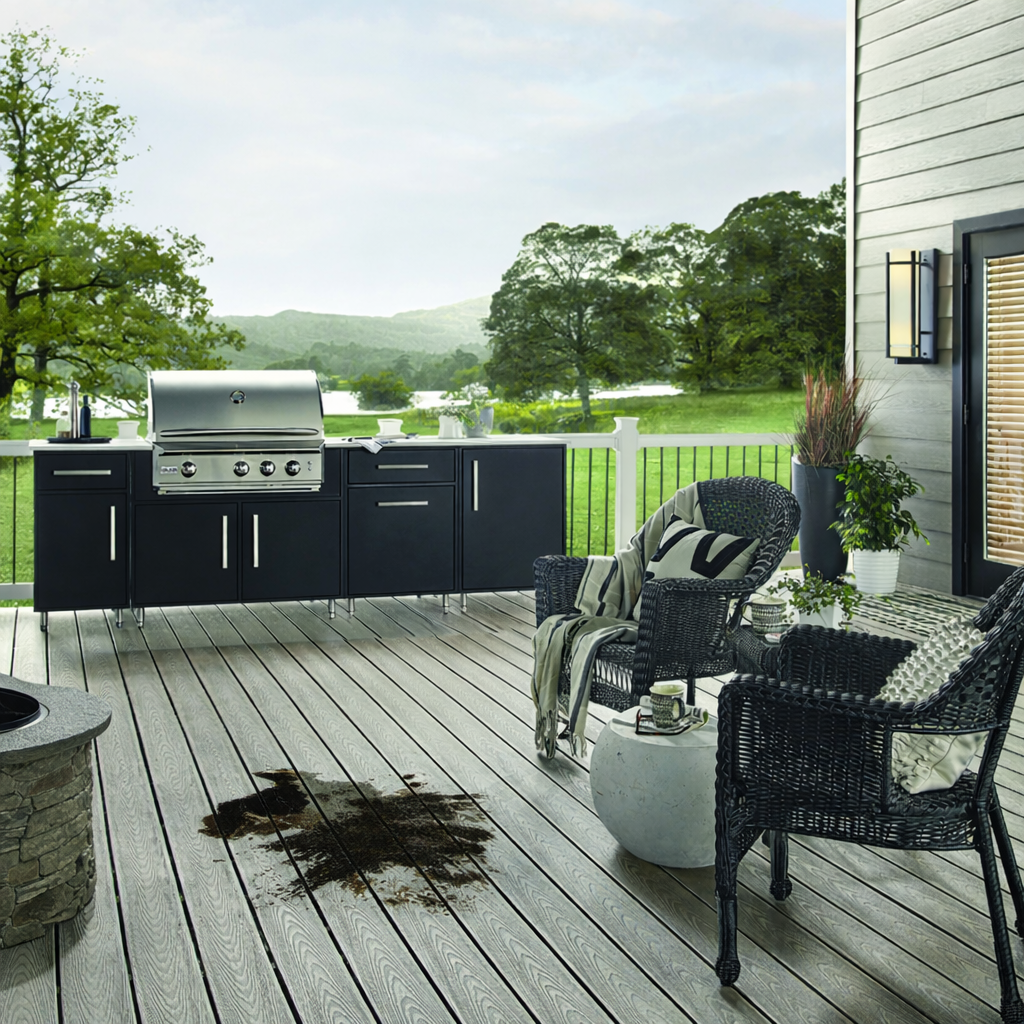
Grease, Food, and Oil
Food spills and grease can leave marks if they are not cleaned quickly. These stains are common in areas near grills or outdoor dining spaces.
How to Clean Grease and Food Stains
- Wipe up any excess residue as soon as possible
- Rinse the area with warm water
- Apply mild soap to the affected spot
- Lightly scrub to lift the stain from the surface
- Rinse completely to avoid leaving behind residue
Cleaning spills early will make removal much easier and prevent the stain from setting.
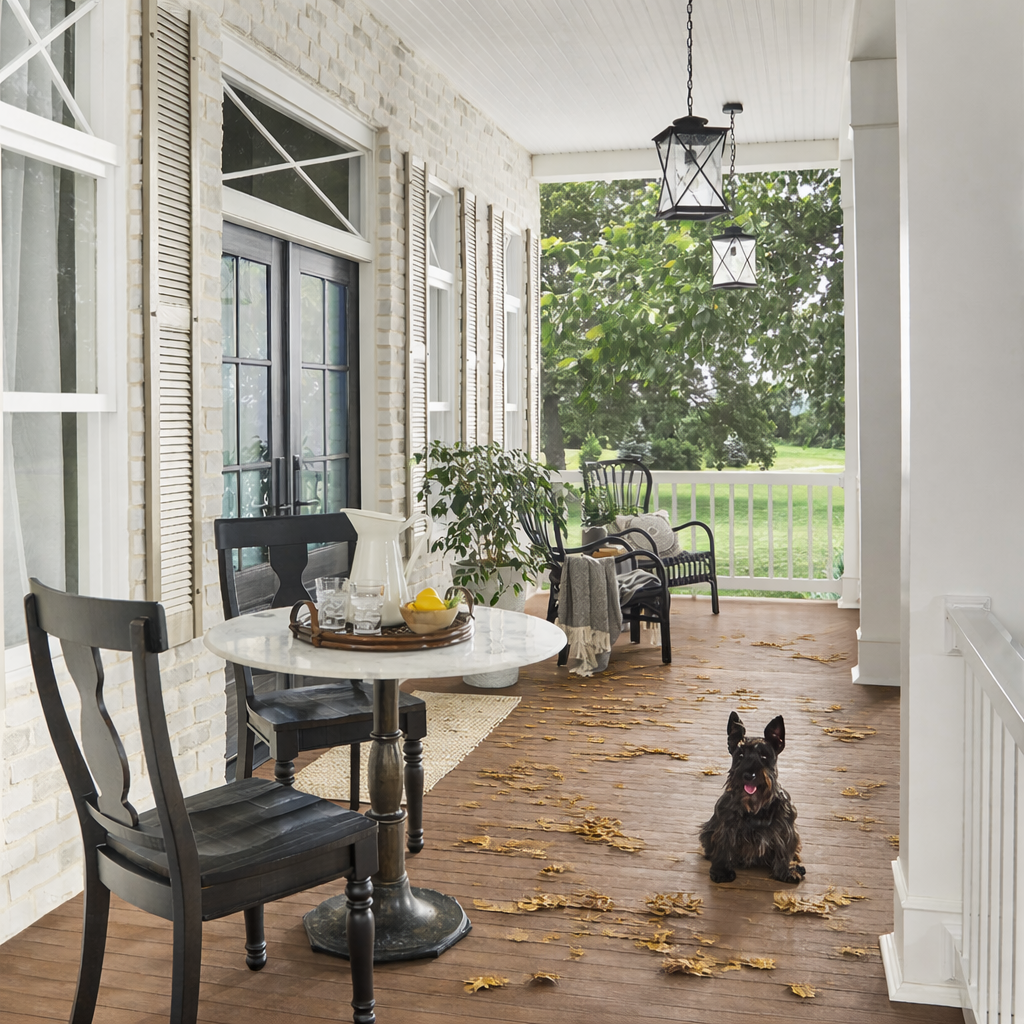
Dirt and Organic Debris
Leaves, pollen, and dirt can build up over time, especially in corners and between boards. If left in place, this buildup can lead to uneven coloring across the deck.
How to Clean Built-Up Dirt and Debris
- Sweep or blow off loose material from the surface
- Rinse the decking to loosen remaining dirt
- Apply a mild cleaning solution
- Scrub lightly along the boards where buildup is visible
- Rinse thoroughly to restore an even finish
Staying consistent with routine cleaning will help prevent this type of buildup from becoming noticeable.
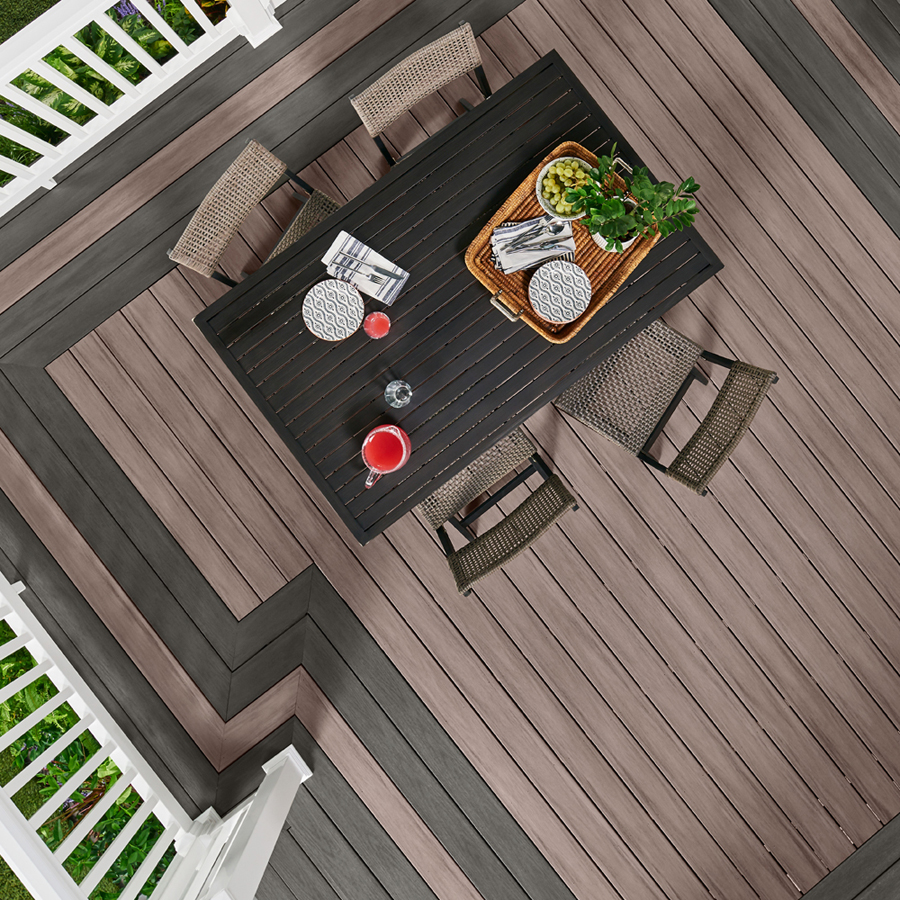
Rust and Furniture Marks
Metal furniture, planters, or décor can sometimes leave marks on the surface, especially if they stay in one place for long periods.
How to Clean Rust or Surface Marks
- Remove the item causing the mark
- Rinse the affected area
- Use a mild cleaner to treat the spot
- Gently scrub with a soft brush
- Rinse well to remove any cleaner residue
Avoid dragging heavy or metal objects across the surface to prevent marks from forming again..
Can You Pressure Wash Wolf Decking
Pressure washing can be used on Wolf decking, but it should be done carefully to avoid damaging the surface. While the boards are built for durability, using too much pressure or the wrong nozzle can leave marks or affect the finish.
If you choose to pressure wash, use the lowest pressure setting and a fan-tip nozzle to spread the water evenly. Keep the nozzle at a safe distance from the surface and avoid concentrating pressure in one spot. Moving steadily across the boards will help clean the surface without causing uneven results.
For most situations, a standard hose and light scrubbing will be more than enough to keep your deck clean. Pressure washing should be used as an occasional option rather than part of your regular routine.
Seasonal Maintenance Tips for Wolf Decking
Keeping your deck in good condition throughout the year does not require extra work, but small adjustments based on the season can help maintain its appearance and prevent buildup.
Spring and Summer
Warmer months are the best time to give your deck a deeper clean. Pollen, dust, and increased foot traffic can build up quickly, so rinsing and light scrubbing will help keep the surface looking consistent. This is also a good time to check for any areas that may need extra attention after winter.
Fall
Leaves and organic debris tend to collect more during the fall. If left on the surface, they can trap moisture and lead to stains or discoloration. Regularly removing leaves and keeping the deck clear will help prevent buildup and make cleaning easier.
Winter
During colder months, avoid using metal shovels or sharp tools to remove snow, since they can scratch the surface. A plastic shovel works best for clearing snow safely. It is also important to avoid harsh ice melt products, as they can affect the finish over time.
What to Avoid When Cleaning Wolf Decking
Cleaning your deck the right way is just as important as knowing what to avoid. Using the wrong tools or products can damage the surface and affect how the boards look over time.
Avoid using metal brushes, steel wool, or any abrasive tools, since they can scratch the finish and leave permanent marks. Harsh chemicals should also be avoided, as they can break down the surface and impact the color of the decking.
Do not sand, stain, or paint Wolf decking. These boards are designed to maintain their appearance without additional treatments, and applying them can lead to uneven results and unnecessary damage.
Keeping the cleaning process simple and using the right materials will help protect the surface and keep your deck looking consistent.

How Often Should You Clean Wolf Decking
Keeping your deck clean does not require a strict schedule, but staying consistent will make a big difference over time. Light cleaning every few weeks will help remove dirt, pollen, and debris before it builds up and becomes more noticeable.
A deeper cleaning a few times throughout the year will help maintain the overall appearance, especially after seasonal changes. High-traffic areas or spaces near grills and outdoor furniture may need more frequent attention, since they tend to collect dirt and stains faster.
Staying ahead of buildup with simple, regular cleaning will keep your deck looking clean without needing more intensive work later on.
Final Thoughts on Cleaning Wolf Decking
Wolf decking is designed to make outdoor maintenance easier, and cleaning it should feel just as straightforward. With a simple routine and the right approach, you can keep your deck looking clean, consistent, and ready to enjoy throughout the year.
Focusing on regular care instead of heavy cleaning will help maintain the surface and reduce the chances of stains or buildup. Over time, that consistency will keep your deck looking the way it should without unnecessary effort.
Frequently Asked Questions About Cleaning Wolf Decking
Yes, but it should be done carefully. Use the lowest pressure setting and a fan-tip nozzle, and keep a safe distance from the surface to avoid damage.
A simple mix of mild soap and water works well for most cleaning. You do not need strong chemicals to remove everyday dirt and buildup.
Surface mold can usually be removed with soap, water, and a soft-bristle brush. Keeping the deck clean and free of debris will help prevent it from returning.
No, Wolf decking does not require sealing or staining. The boards are designed to maintain their appearance without additional treatments.