
The place for all your outdoor living space!


Homeowners often ask one important safety question: is Trex decking slippery when wet? This concern makes sense, especially for families designing outdoor spaces used year-round. Rain, morning dew, snow, and changing weather conditions all affect how a deck surface feels underfoot.
Trex composite decking uses composite materials made from recycled plastics and wood fibers. This construction differs from traditional wood decking and changes how the surface reacts to moisture. Like all decking materials, Trex can feel slippery when wet under certain conditions. Water, dirt buildup, and organic growth reduce traction on any deck surface.
That said, Trex decking remains a popular choice for long term outdoor living space projects. Many homeowners and deck builders choose Trex because it offers durability, low maintenance, and consistent performance. Understanding how Trex behaves when wet helps homeowners decide if Trex decking safe for their specific outdoor living needs.
Why Trex Decking Can Feel Slippery in Wet Conditions
Trex decking can feel slippery when wet because moisture reduces friction on the deck surface. Water creates a smooth layer that limits grip underfoot. This reaction occurs across all outdoor decking materials, including wood decking and composite materials.
Dirt, pollen, and organic debris make the issue worse. When these materials mix with water, the surface becomes more slick. Mold and algae growth increase the risk even further, especially in shaded outdoor spaces. This buildup explains why some homeowners notice decking slippery conditions in certain areas but not others.
Trex composite decking uses recycled plastics capped with textured surfaces. These textures improve traction compared to smooth boards. However, textured surfaces still lose grip when water and debris remain on the deck surface for extended periods. Poor drainage and standing water increase this effect during changing weather conditions.
Long term performance depends on maintenance and environment. Clean boards maintain better slip resistant qualities. Neglected surfaces allow moisture and debris to reduce traction faster. This behavior matches what homeowners experience across many outdoor living space designs, not just Trex products.
Does Trex Decking Get More Slippery in Winter?
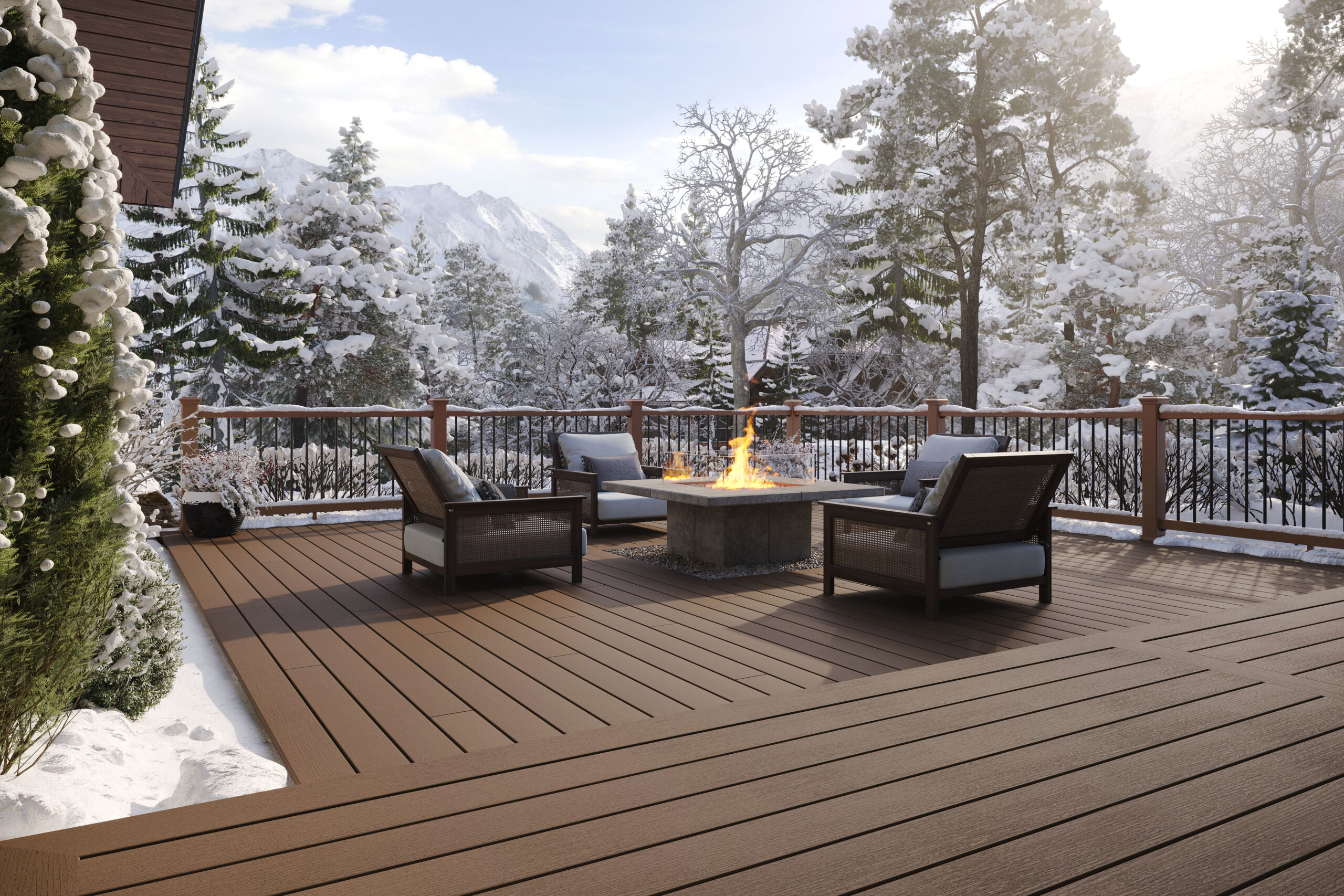
Trex decking can feel more slippery in winter because ice and frost reduce traction on the deck surface. Cold temperatures cause moisture to freeze instead of evaporate. This frozen layer creates slick conditions that increase slip risk in outdoor spaces.
Trex composite decking uses composite materials that resist moisture absorption. While this feature protects boards from damage, it allows ice to sit on the surface longer. Snow melts during the day and refreezes overnight, which increases decking slippery conditions across many weather conditions.
Shaded areas increase winter risk. Limited sunlight slows melting and keeps ice on the deck surface longer. Entry points, stairs, and high-traffic zones experience the greatest risk during winter months. These areas demand extra attention in outdoor living space designs.
Winter safety depends on proactive care. Homeowners should remove snow promptly and avoid letting ice build up. Plastic shovels protect Trex product surfaces better than metal tools. Safe ice melt products and added traction improve slip resistant performance during colder months.
These steps help maintain Trex decking safe use throughout the winter season.
How Trex Decking Compares to Other Decking Materials
Trex composite decking performs similarly or better than many traditional decking materials in wet conditions. All outdoor deck surfaces become slippery when wet under certain weather conditions. No material offers complete slip protection without proper care.
Wood decking often develops smooth or worn areas over time. Paint, sealants, and aging wood fibers reduce traction, especially when moisture sits on the deck surface. Wood also absorbs water, which encourages mold and algae growth. These factors increase decking slippery conditions in shaded outdoor spaces.
Trex composite decking uses recycled plastics combined with wood fibers to create a consistent surface. Textured surfaces help maintain grip longer than smooth wood boards. Trex products resist cracking, splintering, and warping, which supports safer movement across an outdoor living space.
Deck builders often recommend Trex for long term performance because composite materials maintain their shape and texture over time. Trex Transcend boards hold consistent deck colors and surface patterns. This consistency helps homeowners manage traction more predictably than with traditional wood decking.
How to Reduce Slipperiness on Trex Decking
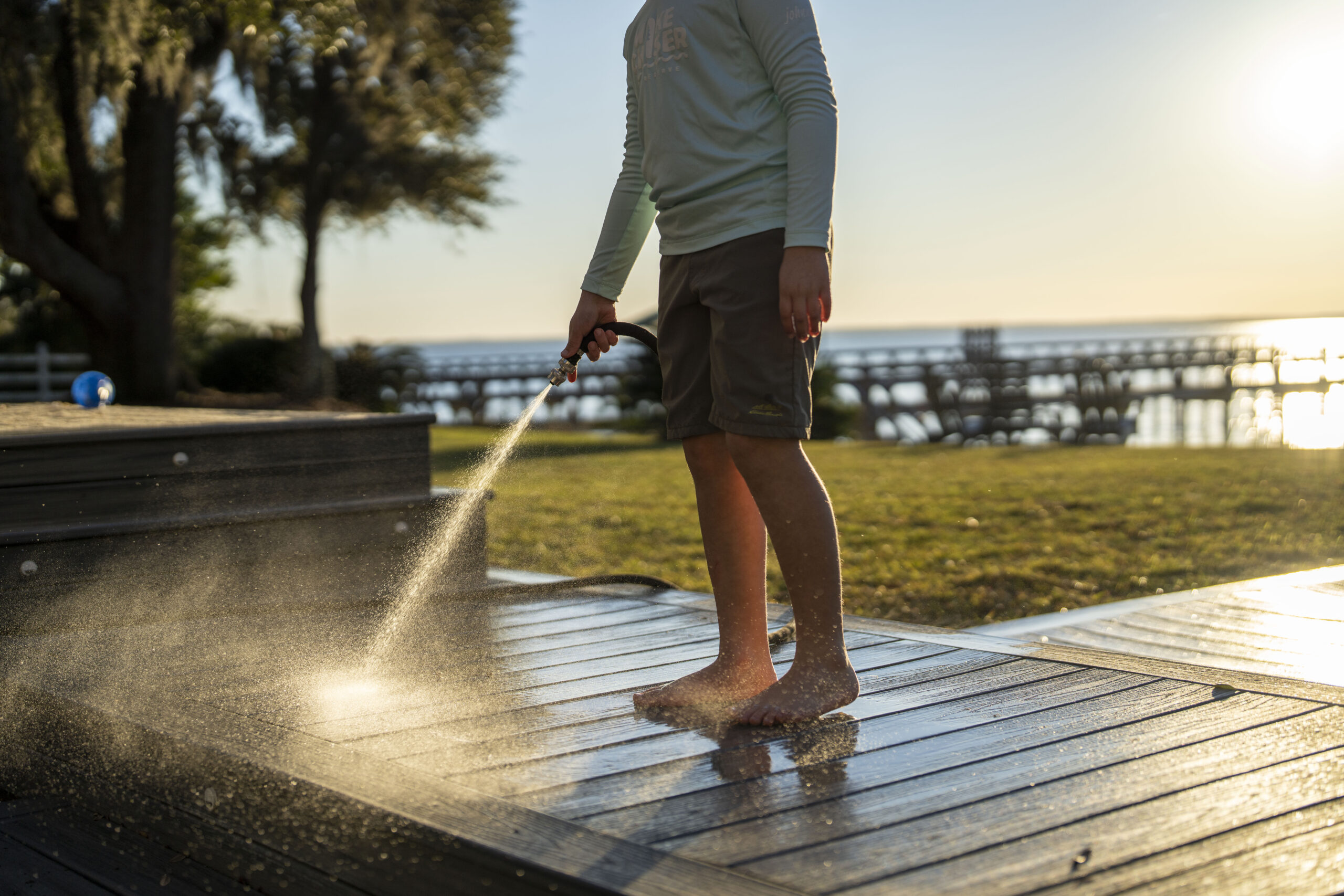
Homeowners can reduce slippery when wet conditions on Trex decking with proper care and planning. Most traction issues come from surface buildup, standing water, or high-risk areas that lack added grip. Addressing these factors improves safety across outdoor spaces.
Regular Cleaning and Maintenance
Routine cleaning plays the largest role in keeping Trex composite decking slip resistant. Dirt, pollen, leaves, and organic debris reduce traction when moisture sits on the deck surface. Regular sweeping and occasional washing remove buildup before it becomes slick.
Mold and algae grow faster in shaded outdoor living space areas. These growths increase decking slippery conditions, especially after rain. Keeping the surface clean helps Trex products maintain their textured surfaces and long term performance. Clean decks consistently provide better traction across changing weather conditions.
Improving Traction in High-Traffic Areas
Certain areas need extra attention. Stairs, entry points, and walkways experience more foot traffic and greater slip risk. These zones benefit from added traction support, especially during wet seasons.
Outdoor rugs, traction strips, and textured mats improve grip without damaging the deck surface. These options work well near doors, pool areas, and seating zones. Many deck builders recommend targeted traction solutions instead of treating the entire deck.
Winter Safety and Anti-Slip Options
Winter weather creates the most challenging conditions for Trex decking safe use. Snow and ice reduce traction regardless of decking materials. Prompt snow removal prevents refreezing that leads to slick surfaces.
Homeowners should avoid metal shovels that damage composite materials. Plastic shovels protect Trex product surfaces while clearing snow safely. Anti slip coatings and traction systems provide additional protection in winter-prone areas. These solutions improve grip while preserving deck colors and surface integrity.
Is Trex Decking Safe for Outdoor Living Spaces?
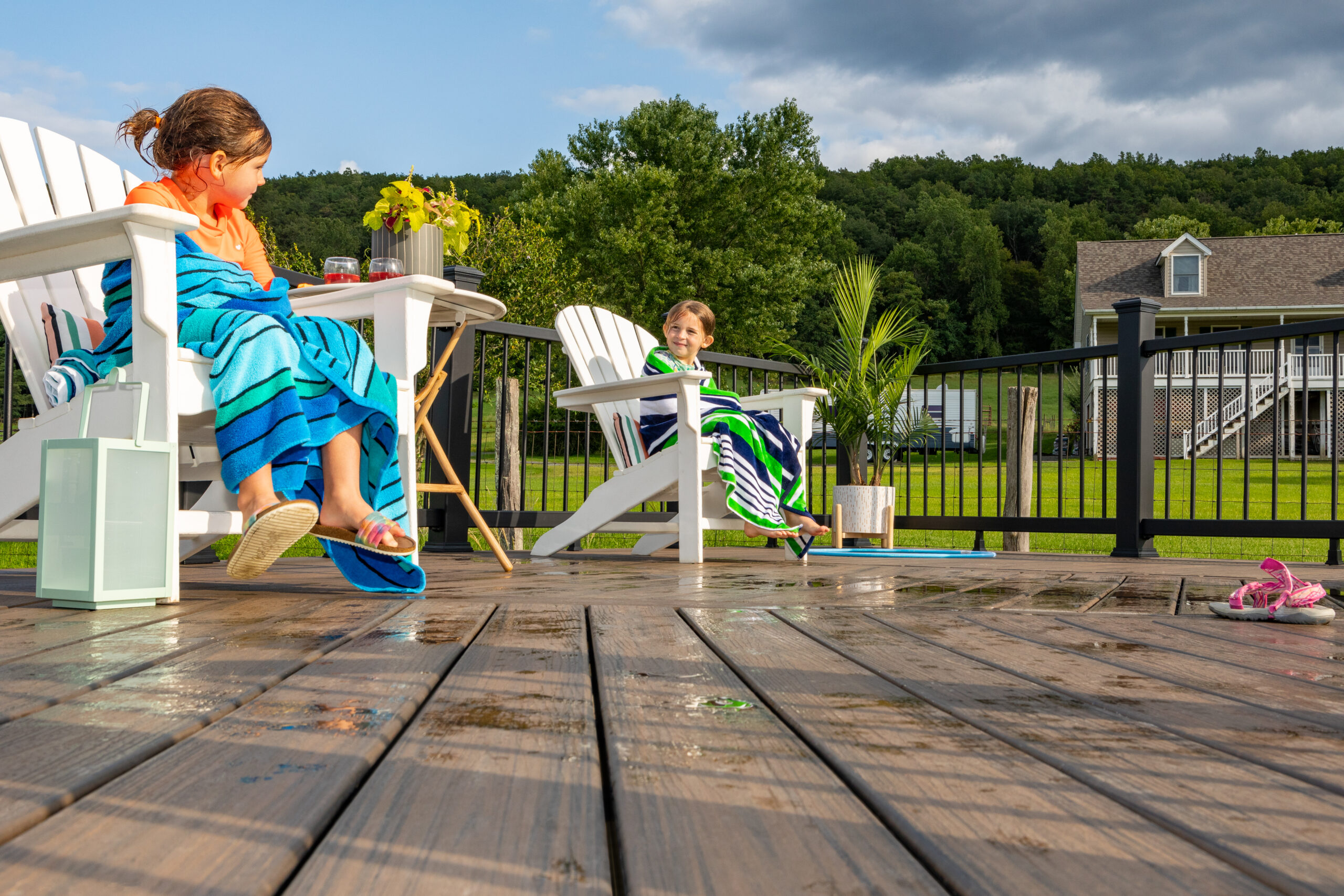
Trex decking safe performance depends on design, maintenance, and environment. When homeowners care for the deck surface properly, Trex supports safe use across many outdoor living space layouts. Families often choose Trex composite decking for patios, walkways, and gathering areas because it delivers consistent performance over time.
Textured surfaces help improve traction compared to smooth boards. Trex products maintain their surface pattern longer than many wood decking options. This consistency helps reduce unexpected slippery when wet areas caused by wear, splintering, or uneven boards.
Deck builders often recommend Trex for outdoor spaces used by children and pets. Composite materials resist cracking and splintering, which lowers injury risk during daily use. Trex decking also supports predictable performance across changing weather conditions, including rain and seasonal moisture.
Long term safety improves with proper planning. Good drainage, smart layout choices, and routine cleaning help Trex composite decking perform as intended. No decking materials can completely remove the risk of slipping. However, Trex provides a strong base for safe and useful outdoor spaces when homeowners follow best practices.
Final Verdict
Trex decking can feel slippery when wet under certain conditions. Moisture, debris buildup, and organic growth reduce traction on any deck surface, which explains why many homeowners question whether is Trex slippery when wet. Trex composite decking does not eliminate slip risk, but it performs comparably to other decking materials.
Textured surfaces, durable composite materials, and consistent manufacturing help Trex products maintain reliable traction over the long term. Trex Transcend and other Trex products have stable deck colors and surface patterns. These features help ensure good performance in different weather conditions. Regular maintenance plays the largest role in keeping Trex decking safe for everyday use.
Homeowners who clean their deck surface, manage drainage, and add traction where needed reduce slippery when wet risks significantly. When paired with smart design and proper care, Trex composite decking supports safe, functional outdoor spaces. For homeowners planning a long-term outdoor space, Trex is a reliable choice. It offers safety, durability, and low maintenance.