
The place for all your outdoor living space!


Joist spacing for composite decking directly affects how strong and stable your deck feels underfoot. Proper spacing supports the decking surface, protects the deck frame, and helps your composite deck boards perform as intended.
Many homeowners assume that composite decking materials follow the same rules as a traditional wood deck. That assumption often leads to problems. Composite material flexes differently than treated wood. It requires specific decking joist spacing to prevent bounce, sagging, and long-term structural issues.
The spacing requirement depends on several factors. Board profile, deck material type, installation direction, and joist spanning ratings all play a role. Local building code requirements may also influence how you design your deck frame.
Before you install composite deck boards, you need to understand how joists support the decking surface. Correct spacing creates a stronger structure, protects hidden fasteners, and improves the overall feel of the installed composite deck.
In this guide, we will break down standard spacing recommendations, brand-specific requirements, diagonal installations, longer spans, and common mistakes to avoid.

What Is Joist Spacing and Why It Matters for Composite Deck Boards
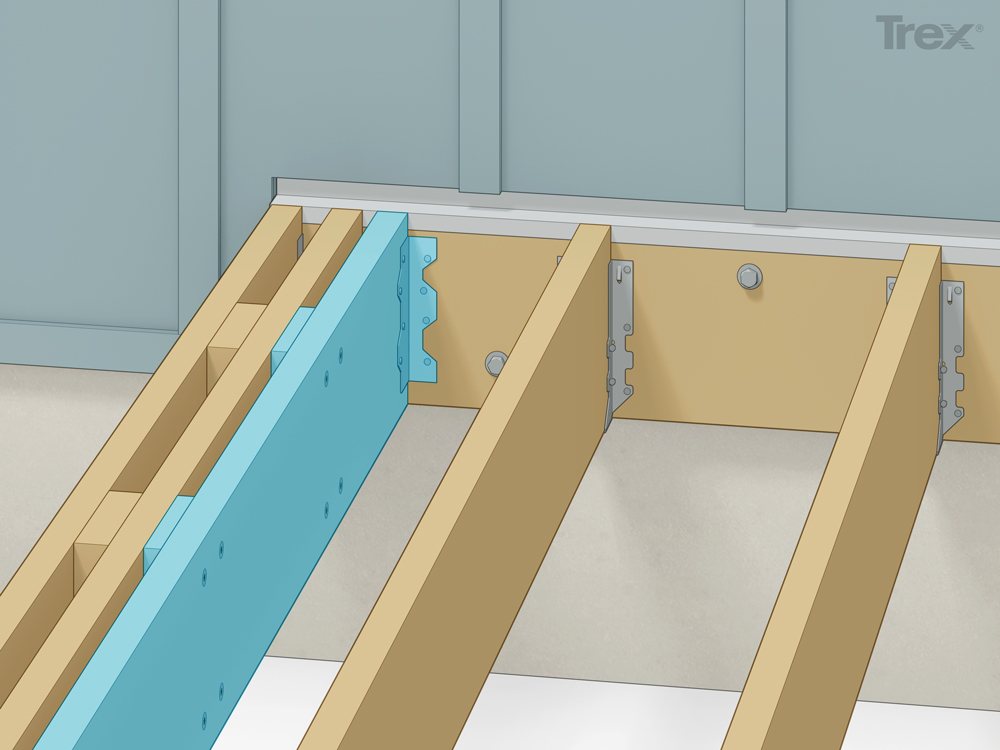
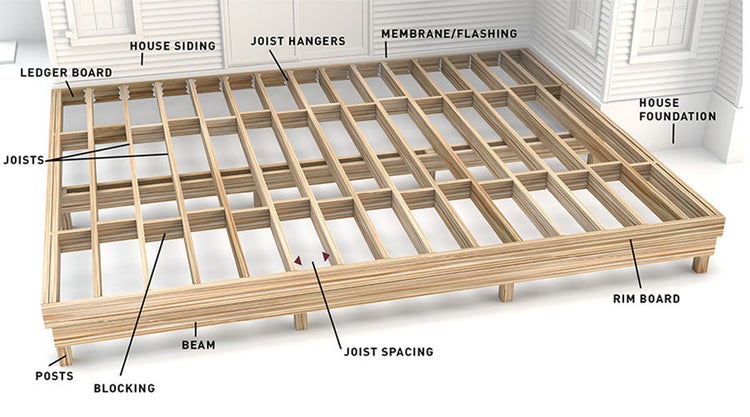
Decking joist spacing refers to the distance between each joist in the deck frame. Builders measure from the center of one joist to the center of the next. This measurement is called “on center.” Joists form the structural base of the deck. They attach to the ledger board and support the decking surface. Joist hangers and fasteners secure the framing and maintain structural strength.
Joist spanning determines how much weight each board supports. If joists sit too far apart, composite deck boards flex under load. Excess movement can stress hidden fasteners and wear the composite material over time. Composite decking materials behave differently than a traditional wood deck. Treated wood often feels more rigid at wider spacing. Composite boards flex more, so manufacturers set specific spacing requirements.
Proper joist spacing strengthens the deck frame and improves stability. It reduces sagging, limits deflection, and supports the installed composite deck. Ignoring spacing guidelines can shorten the life of the deck material and affect warranty coverage. Understanding decking joist spacing helps you choose the right composite decking materials and build a stronger deck.
Standard Joist Spacing for Composite Decking
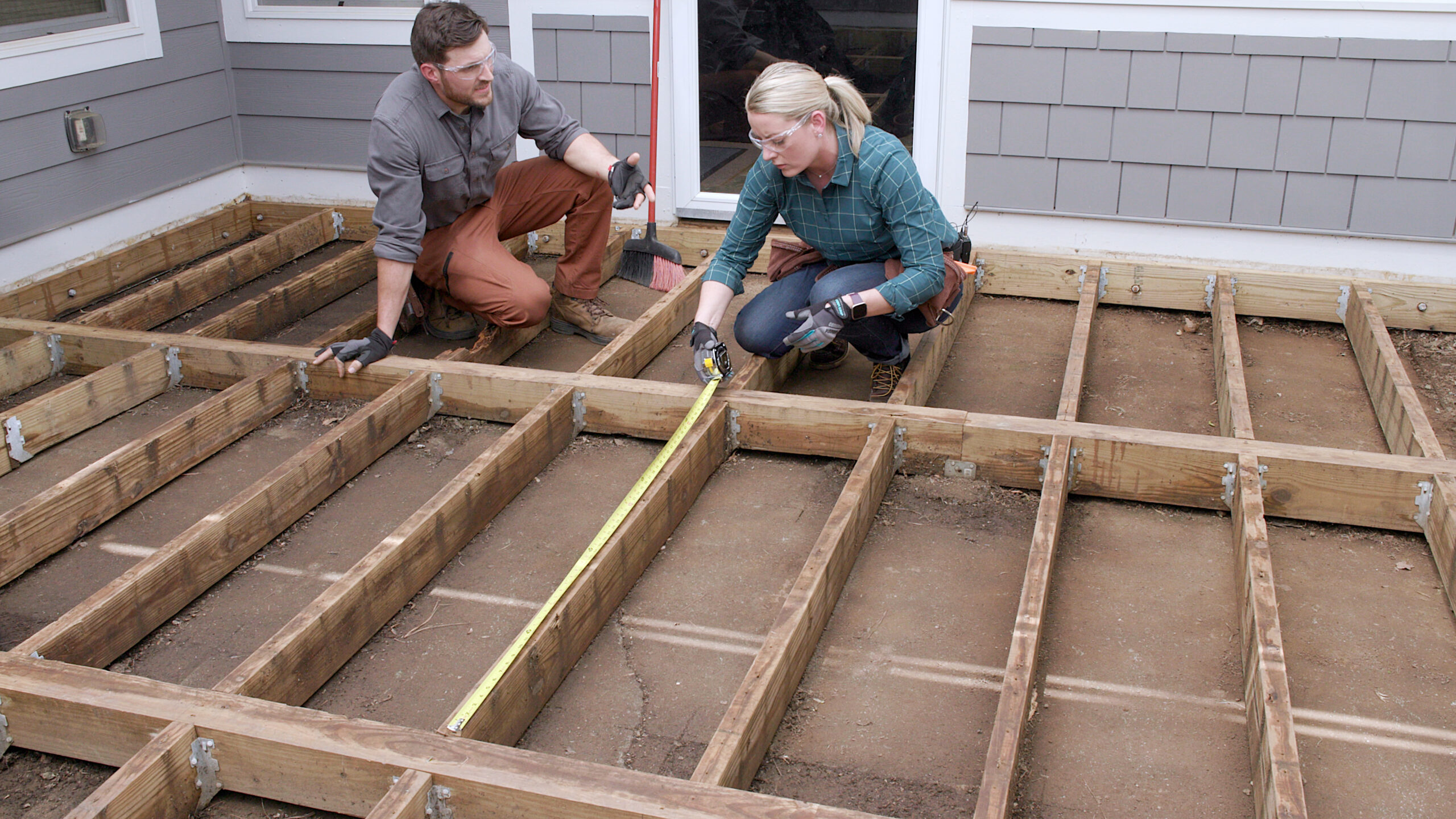
How far apart should joists be for composite decking? The answer depends on the board type and layout. In most residential builds, composite decking 16 on center is standard. Builders place joists 16 inches on center across the deck frame. This spacing supports most composite deck boards and keeps the decking surface firm.
When reviewing joist spacing for composite deck boards, manufacturers usually specify 12 or 16 inches on center. Composite decking 12 or 16 on center depends on installation direction and span rating. For straight installations, most brands approve composite decking support spacing at 16 inches on center to handle typical residential loads.
Not all boards perform the same. Some premium lines allow wider spans, while others require tighter spacing. Always confirm the correct joist distance for composite decking before framing. Some boards advertise composite decking for 24 joist spacing, but wider spacing can create flex. Local building code rules may also limit joist spanning.
If you install a Trex composite deck, follow Trex decking joist spacing guidelines. Most residential builds require Trex 16 on center framing, while diagonal layouts require tighter spacing. The maximum joist spacing for composite decking is usually 16 inches on center for residential use. Some boards permit 24 inches on center under specific conditions.
Correct composite decking spacing protects the deck frame and keeps the installed composite deck stable.

When 12 Inches On Center Is Required
Standard residential framing uses 16 inches on center, but some layouts require tighter composite decking spacing. If you install boards at a 45-degree angle or diagonally, reduce the joist distance for composite decking. Diagonal boards span farther between joists and increase deflection.
Most manufacturers require 12 inches on center for diagonal composite deck boards. This composite decking support spacing prevents bounce and keeps the decking surface firm. Composite decking 12 or 16 on center depends on layout. Straight installations use 16 inches on center, while diagonal installations require 12 inches on center.
Ignoring the spacing requirement can cause flex, loose fasteners, and an unstable installed composite deck. Even a strong deck frame cannot prevent surface softness if joists sit too far apart. Proper joist spacing for composite deck boards protects performance and warranty coverage.
Can Composite Decking Span 24 Inches On Center?
Some homeowners ask whether composite decking for 24 joist spacing is acceptable. The answer depends on the specific board and the manufacturer’s span rating.
A few premium composite decking materials allow longer spans under certain conditions. These boards often feature stronger core construction or enhanced structural design. However, even when a manufacturer permits 24 inches on center, that does not always mean it delivers the best performance.
Wider joist spanning increases deflection. The decking surface may feel softer underfoot, especially in high-traffic areas. Over time, increased movement can place added stress on hidden fasteners and connection points.
Local building code requirements also affect spacing decisions. Some municipalities restrict joist spanning beyond certain limits, regardless of what a manufacturer allows. Always verify local building code standards before framing your deck.
When reviewing composite decking spacing, consider both structural approval and comfort. Meeting minimum requirements keeps the structure compliant. Choosing tighter spacing often improves stability and long-term durability.
If you want a firm and solid installed composite deck, many professionals still frame at 16 inches on center, even when boards technically allow wider spans. Stronger support spacing protects the deck frame and improves the overall feel of the deck material.
Brand-Specific Joist Spacing Guidelines
Not all composite decking materials follow identical span ratings. Each manufacturer sets its own spacing requirement based on board profile, core strength, and performance testing. Always confirm the correct joist spacing for composite decking before building your deck frame.
Trex Decking Joist Spacing
Trex publishes clear installation standards for its composite deck boards. In most residential applications, Trex decking joist spacing requires 16 inches on center for straight board installation.
A Trex composite deck installed perpendicular to the joists typically follows the Trex 16 on center recommendation. This spacing provides proper support and keeps the decking surface firm.
If you are reviewing specifications and wondering what is the maximum joist spacing for Trex decking, most residential applications allow 16 inches on center. Some board profiles may permit different spans, but installers must confirm the published span rating.
When installing boards at a 45-degree angle or in a diagonal pattern, Trex requires tighter composite decking spacing. In those cases, reduce the joist distance for composite decking to 12 inches on center.
Always verify the specific spacing requirement listed in the official Trex installation guide. Different board collections have different joist spanning ratings.
TimberTech Joist Spacing Guidelines
TimberTech provides framing requirements for its composite decking materials. In most residential applications, TimberTech requires 16 inches on center for composite deck boards.
When installing boards perpendicular to the joists, 16 inches on center meets the spacing requirement. This joist spacing for composite deck boards supports normal residential loads and keeps the decking surface stable.
If you install TimberTech boards at a 45-degree angle or in a diagonal layout, reduce composite decking spacing. Lower the joist distance for composite decking to 12 inches on center. Diagonal installation increases joist spanning and can cause excess deflection.
Some TimberTech collections allow longer spans under specific conditions. Always confirm the approved composite decking support spacing for the exact board profile. Not all composite material performs the same.
Before finalizing your deck frame, review the installation guide. Confirm your framing meets the published spacing requirement and your local building code. Proper framing protects the installed composite deck and prevents unnecessary movement.
Other Composite Decking Materials
Most composite decking materials follow similar framing standards, but differences still matter. Brands such as Fiberon and Wolf usually require 16 inches on center for composite deck boards.
This composite decking support spacing provides strength for straight layouts. It keeps the decking surface firm and reduces movement across the deck frame.
When installing boards at a diagonal or at a 45-degree angle, reduce spacing to 12 inches on center. Tighter composite decking spacing limits deflection and improves stability.
Some premium lines allow longer spans under certain conditions. Always confirm the approved joist spanning limits for your chosen deck material. A board rated for longer spans may allow 24 inches on center, but local building code rules can still limit joist distance for composite decking.
Review the manufacturer’s spacing requirement before building the deck frame. Incorrect joist spacing for composite deck boards can cause flex, wear, and warranty issues.
Even though many brands follow similar standards, not all composite material performs the same. Proper decking joist spacing keeps your installed composite deck solid and stable.
Joist Spacing Quick Reference Table
The table below summarizes standard composite decking spacing guidelines for most residential applications. Always confirm the spacing requirement for your specific deck material and verify compliance with local building code standards.
| Installation Type | Recommended Joist Spacing |
| Straight installation (perpendicular boards) | 16 inches on center |
| Diagonal installation | 12 inches on center |
| 45-degree angle layout | 12 inches on center |
| Premium boards rated for longer spans | Up to 24 inches on center (manufacturer approval required) |
How Joist Spacing Affects the Feel of Your Decking Surface
Joist spacing for composite decking does more than meet structural requirements. It directly affects how the decking surface feels when you walk across it.
When builders increase joist distance for composite decking beyond recommended limits, the boards flex more under weight. Even if the deck frame meets minimum structural standards, wider joist spanning can create noticeable bounce.
Proper composite decking support spacing reduces deflection. When installers frame at 16 inches on center or tighter, the composite deck boards feel more solid underfoot. Tighter spacing distributes weight more evenly across the deck material and limits movement between joists.
Diagonal installations increase stress across each board. If installers do not adjust composite decking spacing for a 45-degree angle layout, the decking surface may feel soft. Reducing spacing to 12 inches on center in these situations improves rigidity and comfort.
Hidden fasteners also perform better when joists sit at proper intervals. Excessive board movement places strain on fasteners and connection points. Over time, this stress can affect the appearance and long-term durability of the installed composite deck.
Many homeowners focus only on what is the maximum joist spacing allowed. Professionals focus on how the deck will perform. Choosing correct decking joist spacing creates a stronger, more stable surface that feels solid for years to come.
Composite Decking vs Wood Deck Joist Spacing
Many homeowners assume composite decking materials follow the same framing rules as a traditional wood deck. That assumption often leads to improper joist spacing for composite deck boards.
Treated wood boards tend to feel more rigid at wider spacing. Builders sometimes space joists farther apart on a wood deck because solid lumber handles load differently. However, composite material blends wood fibers with synthetic components, which changes how the board reacts under pressure.
Composite deck boards generally require tighter composite decking support spacing than treated wood. Some wood deck installations allow wider joist spanning. Most composite decking standards recommend 16 inches on center for straight boards. They recommend 12 inches on center for diagonal layouts.
The deck material itself determines the spacing requirement. Composite boards flex differently than treated wood, especially in hot weather. Wider joist distance for composite decking can increase deflection and reduce long-term stability.
Local building code standards may allow certain spans for structural framing, but manufacturer guidelines control composite decking support spacing. Always follow the published joist spanning limits for the specific composite deck boards you select.
Knowing the difference between composite and wood framing helps you build a stronger deck and prevent problems later.
Common Mistakes With Decking Joist Spacing
Even small framing errors can affect the long-term performance of composite deck boards. Avoiding common mistakes protects your deck frame and ensures proper joist spacing for composite decking.
Ignoring Manufacturer Spacing Requirements
Not all composite decking materials follow identical span ratings. Some homeowners assume all boards can use the same composite decking spacing. Always verify the spacing requirement for the exact board profile you select.
Framing at the Maximum Instead of the Ideal
Many builders focus on what is the maximum joist spacing allowed. While some boards permit longer spans, wider joist distance for composite decking often creates noticeable flex. Framing at 16 inches on center instead of pushing limits improves decking surface stability.
Failing to Adjust for Diagonal Installation
Installing boards at a 45-degree angle increases joist spanning across each board. If installers do not reduce the spacing to 12 inches on center, the deck may feel soft underfoot.
Overlooking Local Building Code Requirements
Local building code standards may limit joist spanning beyond manufacturer allowances. Even if a board technically supports composite decking for 24 joist spacing, code requirements may restrict that span. Always confirm compliance before finalizing the deck frame.
Poor Joist Alignment or Ledger Board Connection
Improperly installed joist hangers or uneven joists to the ledger board can compromise decking joist spacing. A weak connection reduces structural integrity and can affect the performance of composite material over time.
Correct joist spacing for composite deck boards supports the deck material properly, protects fasteners, and improves long-term durability.
Final Considerations Before Framing Your Deck
Before you finalize joist spacing for composite decking, review the manufacturer’s installation guide. Not all composite deck boards perform the same, even within one brand. Confirm the approved joist distance for composite decking before building your deck frame, and make sure your framing plan meets both the spacing requirement and your local building code.
Composite decking 12 or 16 on center depends on layout. Most straight installations perform best at 16 inches on center, while diagonal layouts require 12 inches on center. If you install boards at a 45-degree angle, reduce composite decking support spacing to improve rigidity and limit deflection.
Some premium boards allow longer spans, but not every composite decking material supports 24 inches on center. Always verify the approved configuration before framing. Secure joists properly to the ledger board using approved joist hangers and structural fasteners. Strong framing keeps the decking surface stable and protects hidden fasteners.
A properly framed deck supports the composite material evenly, improves comfort underfoot, and protects long-term durability. Choosing correct decking joist spacing protects your investment and ensures your installed composite deck feels solid for years to come.