The place for all your outdoor living space!


Trex has introduced a new category to its decking lineup with Trex Refuge decking, marking the brand’s first move into cellular PVC decking. This collection differs from existing Trex composite offerings by focusing on ignition resistance, refined surface detail, and performance requirements tied to specific regional codes.
Trex Refuge decking brings a distinct material option to homeowners researching Trex products, especially those comparing composite decking to cellular PVC alternatives. With limited regional availability and a small, curated color palette, the Refuge collection takes a more specialized approach within the broader Trex decking portfolio.
This article breaks down what Trex Refuge decking is, how it differs from other Trex lines, and what published specifications reveal about its design and intended use.
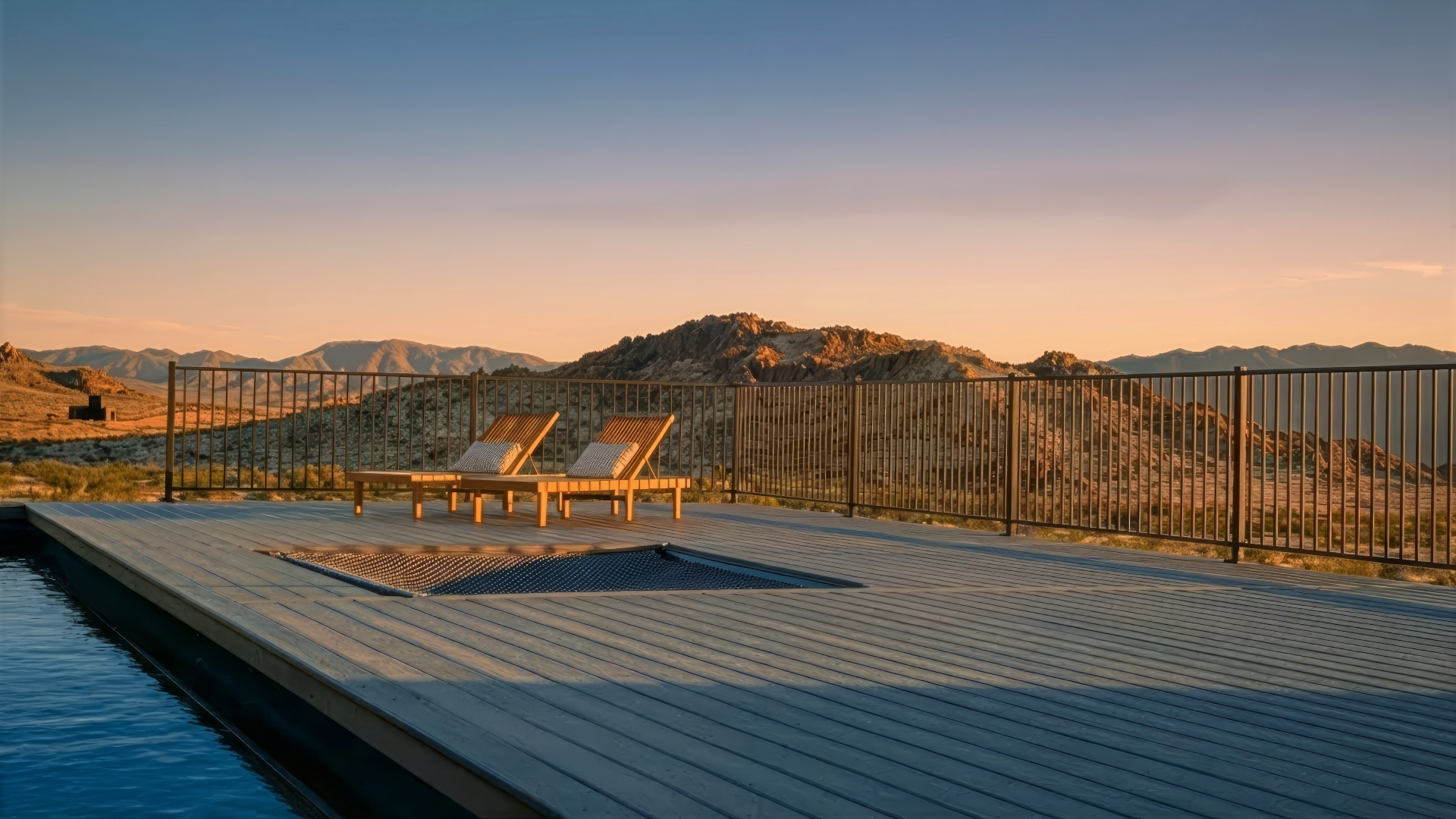
What Is Trex Refuge Decking?
This collection introduces a cellular PVC decking option within the Trex lineup. Unlike composite boards, cellular PVC uses a solid, closed-cell structure designed to support ignition resistance and long-term durability. This material choice places the Refuge line in a different category from other Trex decking products.
Trex designed this collection to meet specific performance standards rather than broad, nationwide use. The boards meet IWUIC ignition-resistant requirements and carry a Class A Flame Spread Rating, which positions them for use in regulated areas. Availability remains limited to select regions where these standards apply.
The collection focuses on a streamlined offering with a refined appearance, a wire-brushed grain, and a small set of color options. These elements keep the product visually clean while addressing code-driven requirements.
What Makes This Collection Different From Other Trex Decking Lines
This collection differs from other Trex offerings because it uses cellular PVC instead of composite materials. Most Trex decking products rely on wood-plastic composite construction. Cellular PVC uses a closed-cell structure, which changes how the boards perform in fire-rated applications.
This material distinction supports features like ignition resistance and compliance with stricter exterior building standards. Composite decking and cellular PVC decking serve different use cases, even when they share similar visual styles.
The Refuge line also takes a more focused approach. It offers a limited color range and a single board profile, rather than a broad design system. This streamlined structure reflects its role as a specialized decking option within the wider Trex lineup, rather than a replacement for existing composite collections.
Fire-Resistant Design and Code Compliance
Fire performance defines this decking line more than any other feature. The boards meet published fire-related standards that apply to exterior materials used in regulated areas. These specifications matter in regions where local codes require added protection against ignition.
Engineered to Resist Fire Ignition
The boards carry a Class A Flame Spread Rating, which represents one of the highest performance levels for exterior decking materials. The collection also meets IWUIC ignition-resistant requirements. These standards evaluate how materials respond to flame exposure and airborne embers during fire events.
This design focuses on limiting ignition risk while maintaining consistent surface appearance and structural stability.
Built for Wildland-Urban Interface Areas
Wildland-Urban Interface zones place stricter requirements on exterior building materials. Decking used in these areas must meet specific ignition-resistance criteria. This collection aligns with those requirements through its cellular PVC construction and fire-rated performance.
Availability remains limited to select regions where these standards apply, and homeowners should confirm local code requirements before planning a project.

Trex Refuge Decking Colors
This collection includes two color options designed around coastal and mountain environments. Both colors pair a modern palette with a refined surface pattern, keeping the look consistent across boards.
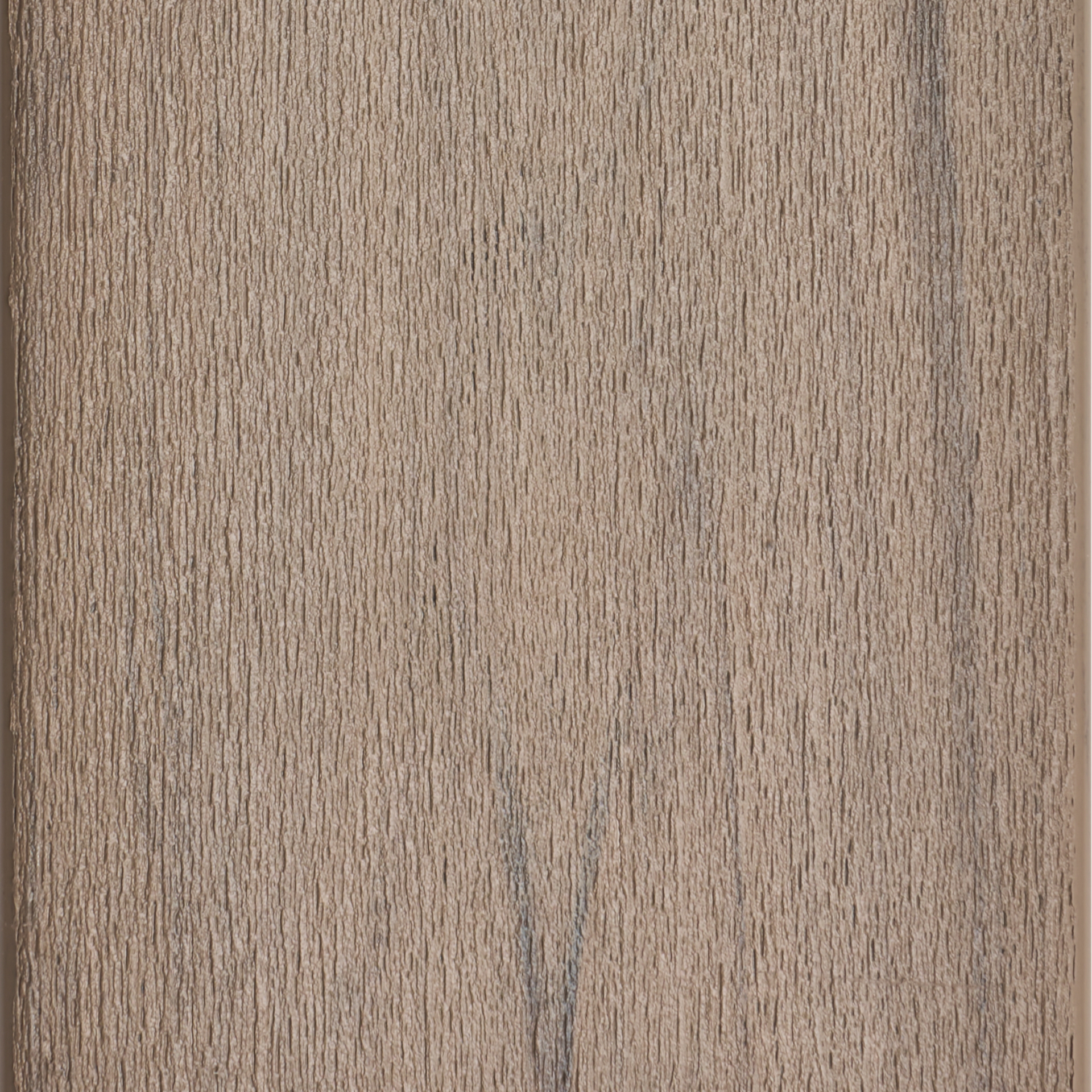
Martis Valley
Martis Valley features a light beige tone with soft golden undertones. The color moves between sand and weathered stone, creating a warm yet clean appearance. This shade works well in bright outdoor spaces and complements lighter home exteriors without feeling flat or washed out. The wire-brushed grain adds subtle movement while keeping the surface contemporary and uncluttered.
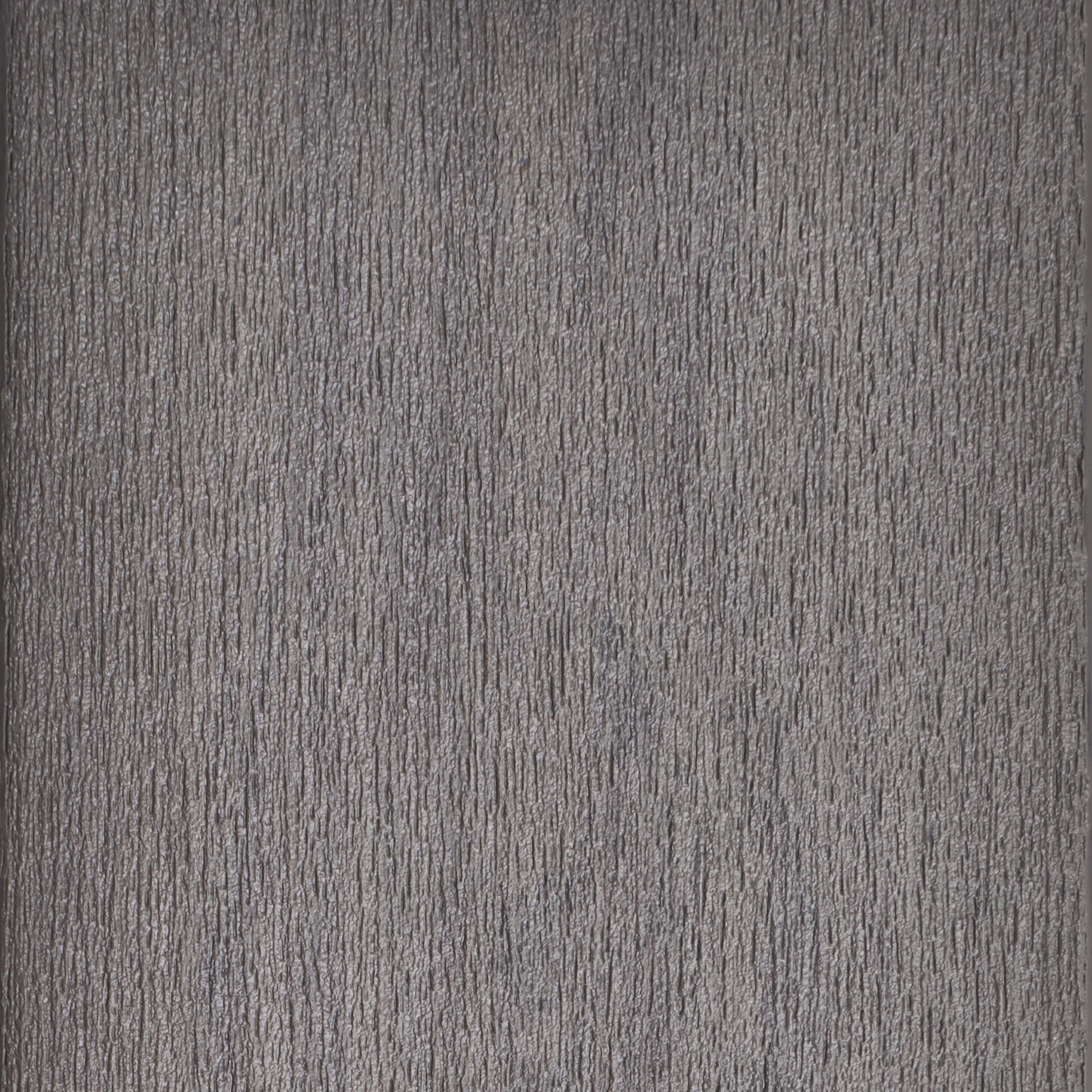
Point Reyes
Point Reyes features a cool coastal grey tone with subtle blue undertones. The color reflects misty shorelines and rugged cliffs, creating a calm yet balanced appearance. This shade works well in modern outdoor spaces and complements neutral or coastal home exteriors without feeling dark or heavy. The refined grain pattern adds subtle movement while keeping the surface clean and uncluttered.
Surface Texture and Grain Pattern
The boards feature a wire-brushed surface designed to mirror the look of natural wood. The grain pattern stays refined and controlled rather than deeply embossed or dramatic. This approach keeps the surface visually clean and consistent across the deck.
The texture adds subtle depth without strong contrast or artificial repetition. It supports modern and transitional outdoor designs where the decking should complement the space rather than dominate it.
This surface finish works with the cellular PVC construction to help maintain a uniform appearance over time. The focus remains on durability, consistency, and a natural aesthetic rather than decorative texture.
Profiles and Board Dimensions
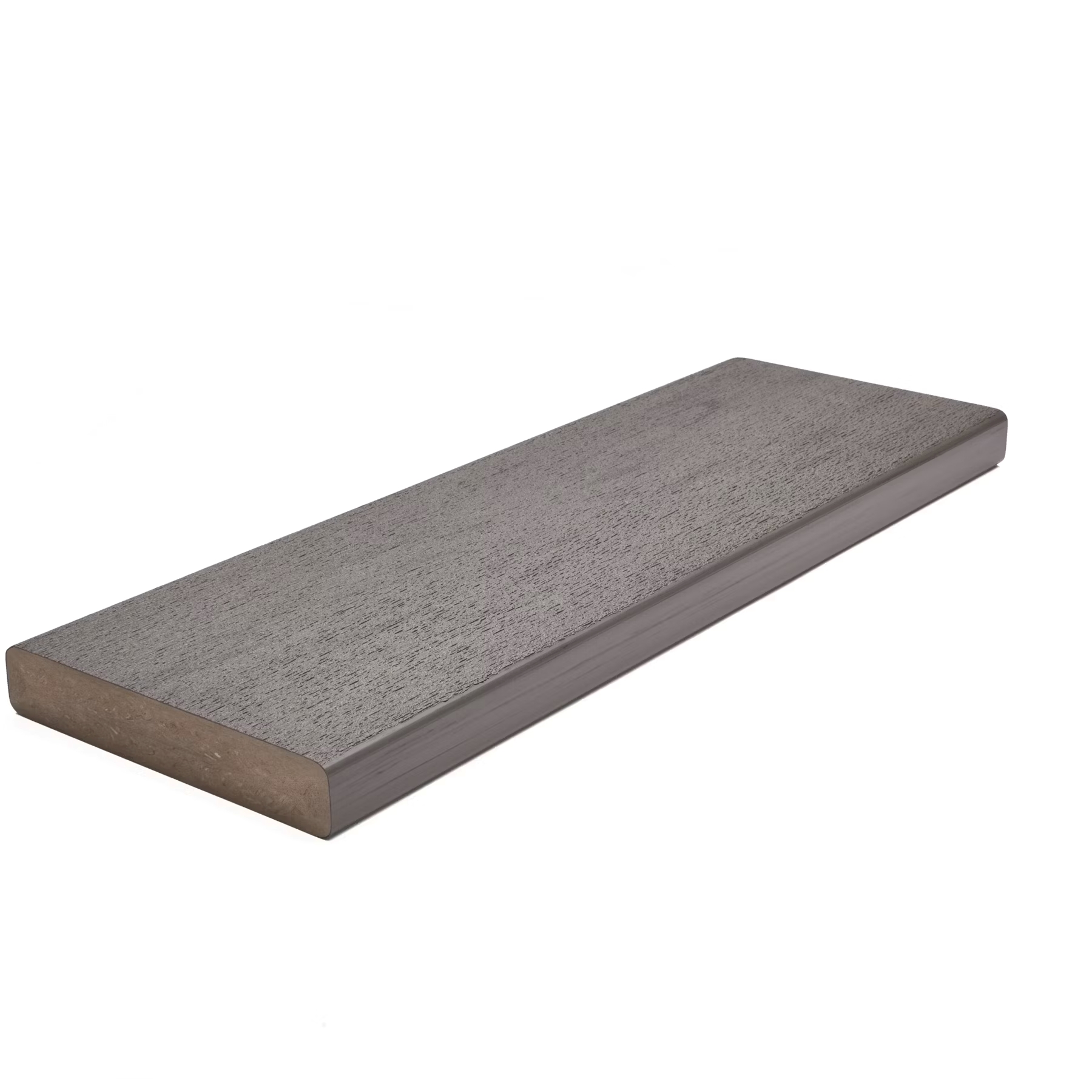
This collection uses a 1-inch square edge board profile, which installs in a traditional manner similar to wood decking. Builders secure the boards with deck screws rather than hidden fastening systems. This profile supports straightforward layouts and familiar installation methods.
The boards measure 0.94 inches thick and 5.5 inches wide. Trex offers two length options to support different deck sizes and layouts. Homeowners and contractors can choose between 16-foot and 20-foot boards, which helps reduce seams on larger surfaces.
This limited profile and sizing approach keeps the system simple. The focus stays on meeting performance requirements and maintaining a clean finished appearance rather than offering multiple design variations.
Availability and Regional Use
This collection is available only in select regions. Trex limits distribution based on regional requirements and code-driven demand, particularly in areas with stricter exterior material standards. Because of this, availability may vary even within the same state.
Homeowners should confirm local access before planning a project. Local dealers can clarify whether this decking option meets regional requirements and whether it is approved for use in specific applications.
This limited availability reinforces its role as a specialized decking option, rather than a nationwide replacement for existing Trex composite lines.
Key Takeaways
This collection adds a cellular PVC decking option to the existing Trex lineup, expanding the range of materials available alongside traditional composite decking. It does not replace composite products or signal a shift away from them. Instead, it introduces an additional option designed for specific performance needs.
The line features two West Coast–inspired colors, a wire-brushed grain pattern, and a simplified product structure with a single square edge board profile. Board dimensions and length options support clean layouts without introducing complex design systems.
Availability remains limited to select regions, reflecting its role as a specialized material option within the broader Trex decking portfolio. For homeowners comparing materials, this collection highlights how cellular PVC can coexist with composite decking as a complementary choice.