The place for all your outdoor living space!

Choosing the right decking material can make a big difference in how your outdoor space looks, performs, and lasts over time. When comparing Trex vs Lumberock decking, homeowners are often deciding between two very different types of composite materials – each with its own strengths.
Trex is one of the most recognized names in composite decking, known for its wide range of styles, colors, and price points. Lumberock, on the other hand, is built around extreme durability, using a mineral-filled plastic formula designed to handle harsh environments like docks and waterfront properties.
Both brands offer low-maintenance alternatives to traditional wood decking, but they are engineered for different priorities. In this guide, we’ll break down the key differences between Trex and Lumberock decking, including materials, durability, appearance, maintenance, and best use cases – so you can decide which is the better fit for your project.
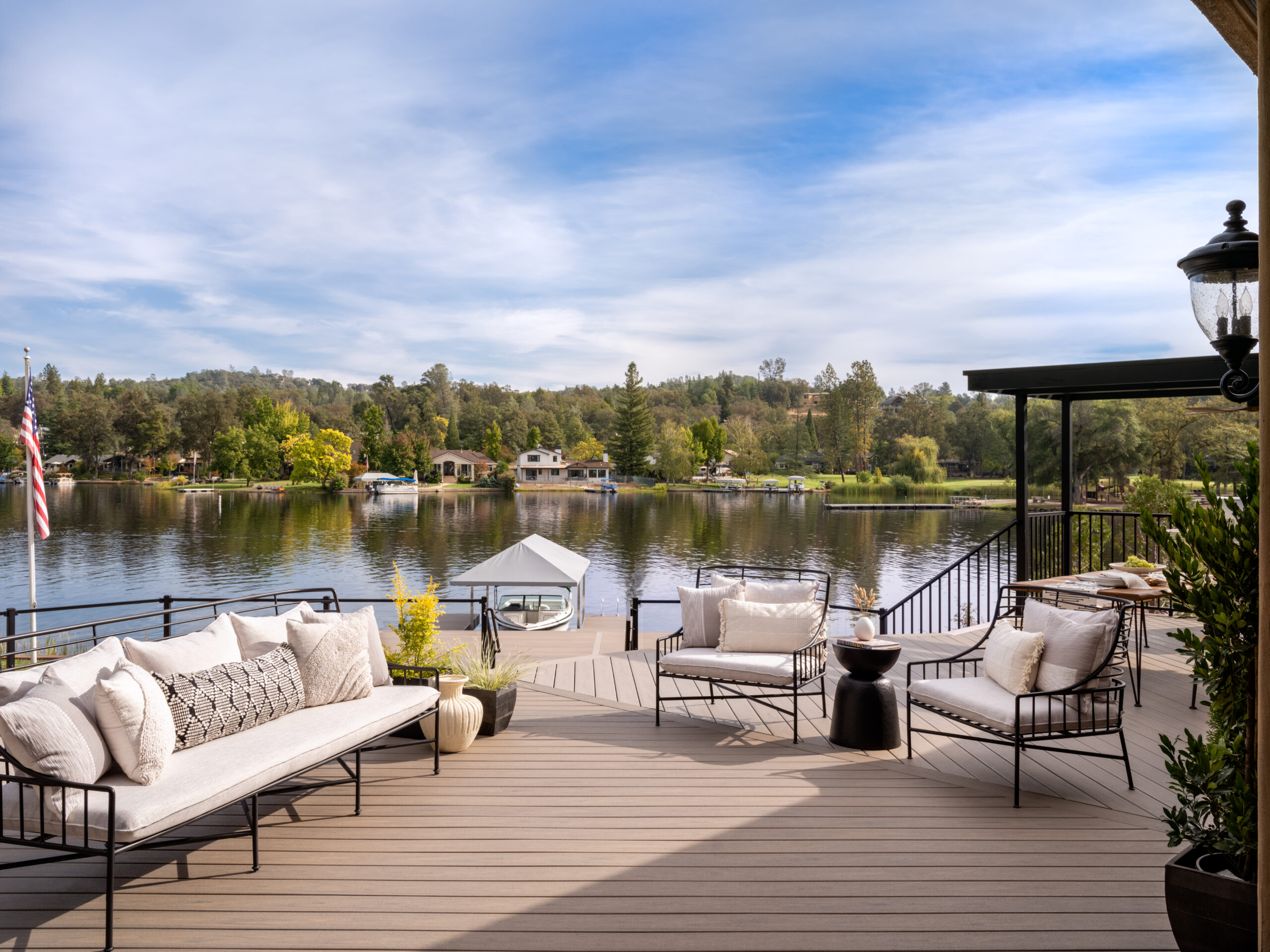
Trex Decking Overview
Trex is one of the most established brands in the composite decking industry. Many homeowners turn to Trex because the company has a long track record of producing decking materials that offer durability without the constant upkeep required by traditional wood.
Trex decking is designed to deliver long-term performance while giving homeowners a wide range of design options. With multiple color choices, finishes, and product tiers, the brand makes it easier to match different outdoor styles and budgets.
Trex products are commonly used for residential decks, patios, and outdoor living spaces where both appearance and low maintenance matter. Over time, the brand has continued to improve its materials and introduce new features that enhance comfort and performance.
What Trex Decking Is Made Of
Trex decking is manufactured using a blend of recycled plastics and reclaimed wood fibers. These materials are combined to create boards that are stronger and more stable than traditional wood, while also reducing common issues like decay and insect damage.
Unlike natural lumber, Trex boards are engineered to resist cracking, splitting, and splintering. This helps the decking maintain a consistent look and structural integrity over time.
Most Trex decking products also feature a protective outer layer that surrounds the core of the board. This outer shell helps defend against stains, fading, and everyday wear caused by weather and foot traffic.
Because of this construction, Trex decking requires minimal upkeep. Homeowners do not need to sand, seal, or stain the boards. In most cases, simple cleaning with soap and water is enough to keep the deck looking clean and well-maintained.
Trex Decking Product Lines
Trex offers several product lines that cater to different price points, performance needs, and design preferences. Each collection is built with a specific balance of durability, appearance, and value in mind.
| Trex Collection | Position in Lineup | Key Features |
|---|---|---|
| Trex Signature | Premium | High-end design with strong performance for upscale outdoor spaces |
| Trex Transcend Lineage | Premium | Enhanced durability with heat-reducing surface technology |
| Trex Transcend | High Performance | Rich color variation and long-lasting capped composite construction |
| Trex Select | Mid-Range | Solid performance with a balance of cost and appearance |
| Trex Enhance | Entry Level | More affordable option with a natural wood-like look |
| Trex Refuge (PVC) | Specialty | Fire-resistant PVC decking designed for high-risk environments |
Key Benefits of Trex Decking
Trex decking offers several advantages for homeowners who want a long-lasting alternative to wood. Its composite construction helps eliminate many of the issues that typically affect wood decks, including warping, cracking, and splintering.
Another major benefit is the low maintenance requirement. Trex decking does not need regular sealing or staining, which reduces both time and long-term upkeep costs.
Trex also stands out for its design flexibility. With a wide selection of colors, finishes, and collections, homeowners can choose a look that fits their space while still benefiting from the durability of composite materials.
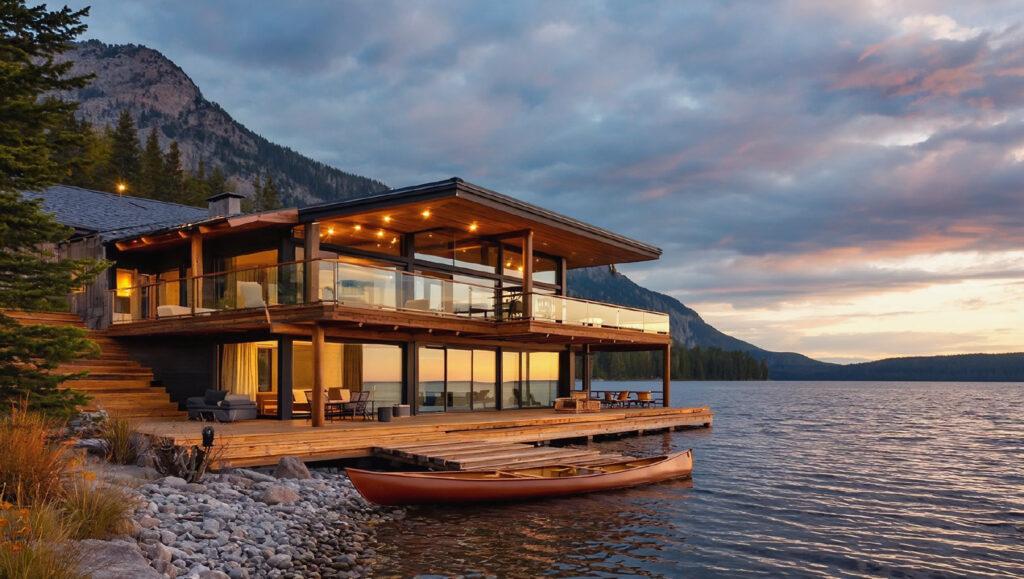
Lumberock Decking Overview
Lumberock is a composite decking brand known for its focus on extreme durability and long-term performance. Unlike many traditional composite products, Lumberock is engineered to handle harsh environments, making it a popular choice for docks, waterfront properties, and high-traffic commercial applications.
Many homeowners and contractors choose Lumberock because it is built to perform in conditions where other decking materials may struggle. The brand emphasizes strength, moisture resistance, and longevity over decorative features, positioning it as a practical solution for demanding outdoor spaces.
Lumberock decking is designed to withstand constant exposure to water, sun, and heavy use. This makes it especially useful in environments where durability and reliability matter more than a wide range of design options.
What Lumberock Decking Is Made Of
Lumberock decking is made from a mineral-filled high-density polyethylene (HDPE) material. Unlike wood-based composites, it contains no organic fibers, which means it does not absorb moisture or break down over time due to rot or insect damage.
This composition creates a solid, non-porous board that resists mold, mildew, and water penetration. Because there is no wood content, Lumberock decking avoids many of the common issues found in traditional composite materials, especially in wet or humid environments.
The boards are manufactured using an extrusion process that combines plastic with a proprietary mineral blend. This results in a dense, durable material designed to hold its shape and performance over time, even under heavy use or exposure to the elements.
Lumberock Decking Product Lines
Lumberock offers a smaller, more focused range of product lines compared to brands like Trex. Each collection is designed with durability and performance as the primary goal, rather than offering multiple aesthetic tiers.
| Lumberock Collection | Position in Lineup | Key Features |
|---|---|---|
| Classic Collection | Standard | Durable composite decking with traditional styling and low maintenance |
| Coastal Collection | Premium / Marine | Designed for waterfront use with high moisture resistance and 24″ span capability |
| Artisan Collection | Specialty / Industrial | Heavy-duty plastic lumber for commercial, industrial, and custom applications |
Key Benefits of Lumberock Decking
Lumberock decking is built for durability in environments where other materials may fail. Its mineral-filled plastic construction makes it completely resistant to moisture, which eliminates the risk of rot, swelling, or structural breakdown over time.
Another major advantage is its ability to perform in extreme conditions. Lumberock is commonly used in marine settings, where constant exposure to water, humidity, and sunlight can quickly wear down traditional decking materials.
Lumberock also requires very little maintenance. Since the boards do not contain wood fibers, they do not need to be sealed, stained, or treated. This makes them a practical option for projects where long-term reliability and minimal upkeep are top priorities.
Trex vs Lumberock Decking: Material Comparison
Trex and Lumberock both offer low-maintenance decking solutions, but they rely on very different material compositions to achieve their performance.
Trex decking materials
- Manufactured from a blend of recycled plastic and reclaimed wood fibers
- Features a protective outer shell that helps guard against stains and fading
- Engineered to reduce issues like rot, insect damage, and splintering
- Built around wood-plastic composite technology for balanced performance and appearance
Lumberock decking materials
- Made from high-density polyethylene combined with a proprietary mineral-filled formula
- Contains no organic material, which prevents moisture absorption and decay
- Solid, non-porous construction designed for high durability in wet environments
- Focuses on long-term structural stability rather than traditional composite blends
Both brands provide decking that requires far less maintenance than wood. The key difference lies in how the boards are built. Trex uses a wood-plastic composite structure, while Lumberock relies on a mineral-filled plastic material designed for maximum resistance to moisture and environmental stress.
Trex vs Lumberock Decking: Durability
Both Trex and Lumberock decking are designed to outperform traditional wood in long-term outdoor conditions. Each brand builds its boards to handle exposure to moisture, weather, and everyday use without the common issues found in wood decking.
Trex durability
- Built to resist warping, cracking, and splintering over time
- Protective outer shell helps limit staining and color fading
- Performs well in typical residential environments with consistent exposure to the elements
- Designed for long-term use with minimal structural breakdown
Lumberock durability
- Fully waterproof material that will not absorb moisture or rot
- Resistant to mold, mildew, and insect damage due to lack of organic content
- Performs reliably in high-moisture and marine environments
- Designed for heavy-use applications and long-term structural stability
Both brands offer durable alternatives to wood decking. Trex focuses on consistent performance for residential use, while Lumberock is built to handle more demanding conditions, especially in wet or high-traffic environments.
Trex vs Lumberock Decking: Maintenance
One of the main reasons homeowners choose composite decking is the reduced upkeep compared to traditional wood.
Trex maintenance
- No need for sanding, staining, or sealing
- Occasional cleaning with soap and water is typically enough
- Protective outer shell helps reduce staining and fading
- Designed for easy long-term care
Lumberock maintenance
- Does not require sealing, staining, or surface treatments
- Simple cleaning keeps the boards looking consistent
- Non-porous material resists moisture, reducing buildup and surface damage
- Designed for minimal upkeep even in harsh conditions
Both brands provide low-maintenance decking that eliminates the routine upkeep required with wood. The difference comes down to material composition, with Lumberock offering a fully non-organic structure.
Trex vs Lumberock Decking: Heat Performance
Deck temperature can impact comfort, especially during warmer months.
Trex heat performance
- Select boards include heat-mitigating surface technology
- Designed to reflect some sunlight and reduce heat absorption
- Lighter colors tend to stay cooler under direct sun
Lumberock heat performance
- Surface temperature depends heavily on color selection
- Lighter shades help limit heat buildup
- Dense material may retain heat differently depending on exposure
- Designed more for durability than heat reduction
Both brands recommend choosing lighter colors if surface temperature is a concern, as color plays a major role in heat retention.
Trex vs Lumberock Decking: Sustainability
Both Trex and Lumberock promote environmentally conscious decking materials, but they approach sustainability differently.
Trex sustainability
- Manufactured using recycled plastic and reclaimed wood fibers
- Helps reduce landfill waste by repurposing materials
- Long product lifespan reduces the need for replacement over time
Lumberock sustainability
- Made from recycled plastic combined with a mineral-based formula
- Contains no wood fibers, reducing reliance on timber resources
- Designed for long-term use, which helps minimize material waste over time
Both brands focus on creating durable alternatives to wood decking while reducing environmental impact through long-lasting materials.
Trex vs Lumberock Decking: Colors and Design Options
Trex and Lumberock both offer decking colors designed to complement outdoor spaces, but their approach to design differs.
Trex color options
- Wide selection of colors across multiple collections
- Includes both solid tones and multi-tonal wood grain finishes
- Designed to match a variety of residential styles
- Offers more variation for modern and custom outdoor designs
Lumberock color options
- More limited color selection focused on practical applications
- Consistent color profiles with a simpler finish
- Designed to prioritize durability over detailed wood aesthetics
- Available in colors suited for docks, patios, and heavy-use areas
Both brands provide options that work for outdoor projects, but Trex offers more design flexibility, while Lumberock focuses on performance-driven finishes.
Trex vs Lumberock Decking: Cost Comparison
The total cost of a decking project depends on product selection, board type, and installation requirements.
Trex cost factors
- Offers multiple price tiers from budget-friendly to premium
- Higher-end collections include advanced features and longer warranties
- Widely available, which can impact pricing and accessibility
Lumberock cost factors
- Pricing varies based on board type and application
- Heavy-duty construction may increase material cost
- Designed for long-term durability, which may reduce replacement expenses
- Commonly used in specialized applications that may affect overall project cost
Both brands offer options at different price points. Trex provides more flexibility across budgets, while Lumberock focuses on long-term performance in more demanding environments.
Trex vs Lumberock Decking: Warranty Comparison
Warranty coverage gives homeowners a better idea of how long a decking product is expected to perform. Both Trex and Lumberock offer long-term warranties, but the structure and coverage differ based on the product and intended use.
Trex Decking Warranty Coverage
| Year of Claim | 50-Year Warranty | 35-Year Warranty | 25-Year Warranty |
|---|---|---|---|
| 11–13 | 90% | 80% | 80% |
| 14 | 90% | 80% | 60% |
| 15–16 | 90% | 60% | 60% |
| 17–18 | 70% | 60% | 40% |
| 19–20 | 70% | 40% | 40% |
| 21–22 | 70% | 40% | 20% |
| 23–25 | 50% | 20% | 10% |
| 26–28 | 50% | 20% | – |
| 29–31 | 30% | 10% | – |
| 32–35 | 30% | 10% | – |
| 36–40 | 20% | – | – |
| 41–50 | 10% | – | – |
Trex warranty highlights
- Up to 50-year limited residential warranty on select product lines
- Many boards include protection against fading and staining
- Coverage decreases over time based on the warranty schedule
- Warranty length varies depending on the collection
Lumberock Decking Warranty Coverage
| Lumberock Collection | Warranty Coverage |
|---|---|
| Classic Collection | Lifetime Limited Warranty |
| Coastal Collection | Lifetime Limited Warranty |
| Artisan Collection | Lifetime Limited Warranty |
Lumberock warranty highlights
- Lifetime limited warranty across core product lines
- Designed to reflect long-term durability and structural reliability
- Coverage supports performance in residential, marine, and commercial settings
- Focuses on resistance to material breakdown over time
Which Decking Brand Is Better?
Both Trex and Lumberock offer durable, low-maintenance decking that performs significantly better than traditional wood. The right choice depends on how the deck will be used and what features matter most for the project.
Trex may be the better choice if you want:
- A well-known composite decking brand with a long track record
- A wide selection of colors, styles, and product lines
- Decking designed for residential outdoor living spaces
- Options that balance appearance, performance, and cost
Lumberock may be the better choice if you want:
- A fully non-organic decking material with no risk of rot or moisture absorption
- Decking designed for docks, waterfront properties, or high-moisture environments
- A product built for heavy use and long-term structural performance
- A simple, durable solution with minimal design focus
Both brands offer strong alternatives to wood decking. Trex focuses more on design flexibility and residential use, while Lumberock is built for durability in more demanding conditions.
Final Thoughts
Trex and Lumberock both provide long-lasting alternatives to traditional wood decking. Each brand prioritizes durability and low maintenance, but they approach these goals in different ways.
Trex stands out for its variety of product lines, color options, and design versatility. It is commonly used in residential settings where appearance and comfort are key factors.
Lumberock takes a more performance-driven approach. Its mineral-filled plastic construction is designed to handle moisture, heavy traffic, and harsh environments without breaking down over time.
Both brands resist common issues like rot, insects, and weather-related damage. Choosing between them comes down to how the deck will be used, the level of exposure to moisture, and whether design flexibility or extreme durability is the priority.
Frequently Asked Questions
Lumberock and Trex are designed for different types of projects, so one is not universally better than the other. Lumberock is often the better choice for environments with constant moisture exposure, such as docks, marinas, or waterfront homes. Its non-organic material does not absorb water, which helps prevent rot, swelling, and long-term structural damage.
Trex, on the other hand, is typically the better option for residential decks where appearance, comfort, and design flexibility are more important. It offers a wider range of colors and finishes, making it easier to match different outdoor styles. The right choice depends on whether durability in extreme conditions or design versatility is the priority.
Lumberock decking is made from high-density polyethylene combined with a proprietary mineral-filled compound. Unlike traditional composite decking, it does not contain any wood fibers or organic materials. This makes the boards completely resistant to moisture, mold, mildew, and insect damage.
Because of this composition, Lumberock performs especially well in environments where water exposure is constant. The solid, non-porous structure helps maintain the board’s shape and strength over time, even in harsh outdoor conditions.
Trex decking can be installed in areas near water, such as around pools or in backyard settings where occasional moisture is present. Its capped composite construction helps protect against water exposure, staining, and general wear.
However, for projects that involve constant or direct water exposure, such as docks or marine applications, Lumberock is often the better choice. Its fully waterproof material is specifically designed to handle these conditions without absorbing moisture or breaking down over time.
Both Trex and Lumberock are built for long-term performance and can last significantly longer than traditional wood decking. Trex offers strong durability for residential use and is backed by long-term warranties depending on the product line.
Lumberock is designed for extreme durability, particularly in environments where moisture and heavy use are factors. Because it contains no organic materials, it is less likely to experience issues like rot or swelling over time. In high-moisture or high-traffic conditions, Lumberock may have an advantage in long-term performance.
Lumberock decking requires very little maintenance compared to wood. Since the boards do not contain wood fibers, they do not need to be sealed, stained, or treated. This eliminates many of the routine maintenance tasks associated with traditional decking materials.
In most cases, basic cleaning is enough to keep the surface looking consistent. The material is designed to resist moisture, mold, and surface buildup, which helps reduce long-term upkeep and makes it a practical option for demanding outdoor environments.