
The place for all your outdoor living space!

Joists, posts and stringers, graded and stacked, ready to load today.
ProWood treated lumber is the substructure contractors and homewoners frame most Chicagoland decks with. Pressure treatment drives preservative deep into the wood, so the frame resists rot, decay and termites long after the deck boards are down. We stock it in 2×4, 2×8, 2×10, 2×12, 4×4 and 6×6, with every length of 14 feet and up carrying a #1 grade stamp. Run your deck through our calculators for a board count before you call.
ProWood treated lumber is pressure-treated framing stock for decks, porches and outdoor structures, made by UFP and backed by a lifetime limited warranty. Premium Decking Supply stocks 2×8, 2×10 and 2×12 in 10, 12, 14, 16 and 20 foot lengths, plus 2x4x16, 4×4 and 6×6 posts. Lengths of 14 feet and longer are #1 grade. Ten and twelve foot lengths are #2 Prime.
ProWood Treated Lumber For Deck Framing
Three parts of the build come off the same treated stock: the joists that carry the field, the posts that take the load to the footing, and the 2×12 that stairs get cut from. Each one is graded and sized for a different job. Below is what each is for, which sizes we hold, and where the grade line falls.
ProWood Treated Joists
2×8 / 2×10 / 2×12
Structural / Ground Contact
ProWood joists carry the deck. They are pressure treated for ground-contact exposure, which is the level you want under a deck where airflow is limited and moisture sits. Rot, decay and termite damage are all covered by the treatment.
In practice, the common mistake is buying to deck depth instead of clear span. Span is measured face of ledger to face of beam, not the overall footprint. Size off the clear span and you avoid the bouncy-deck callback.



Lengths
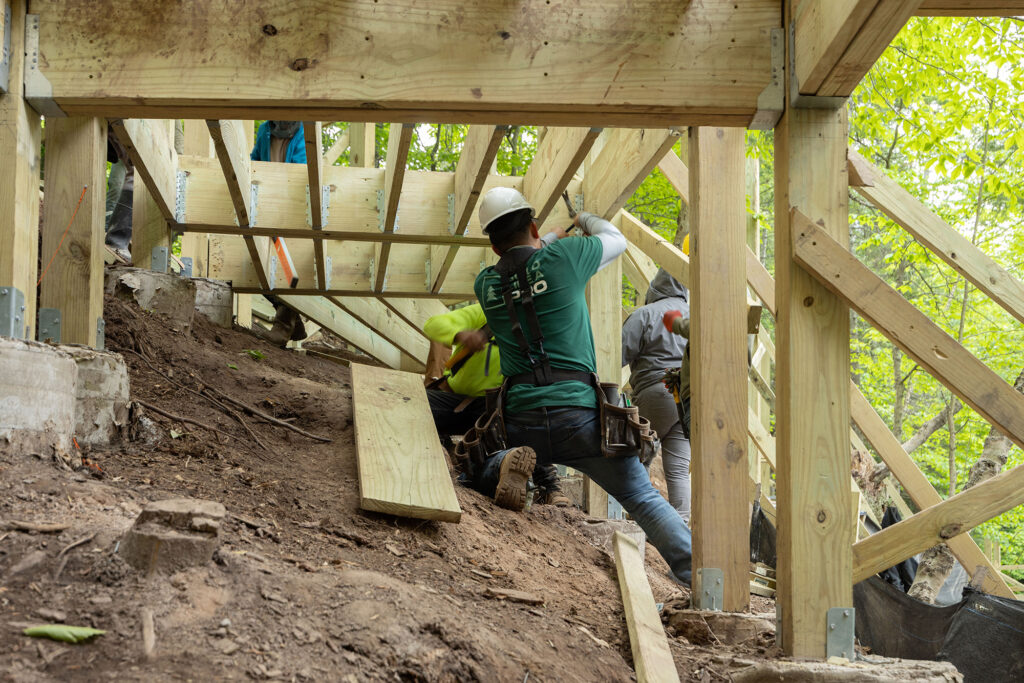
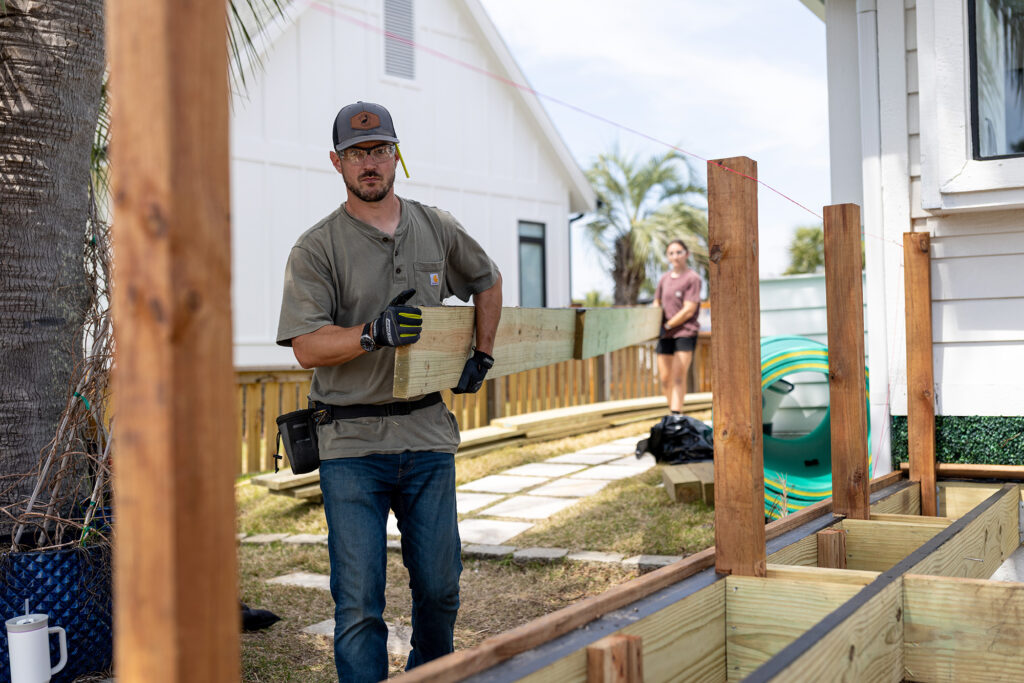
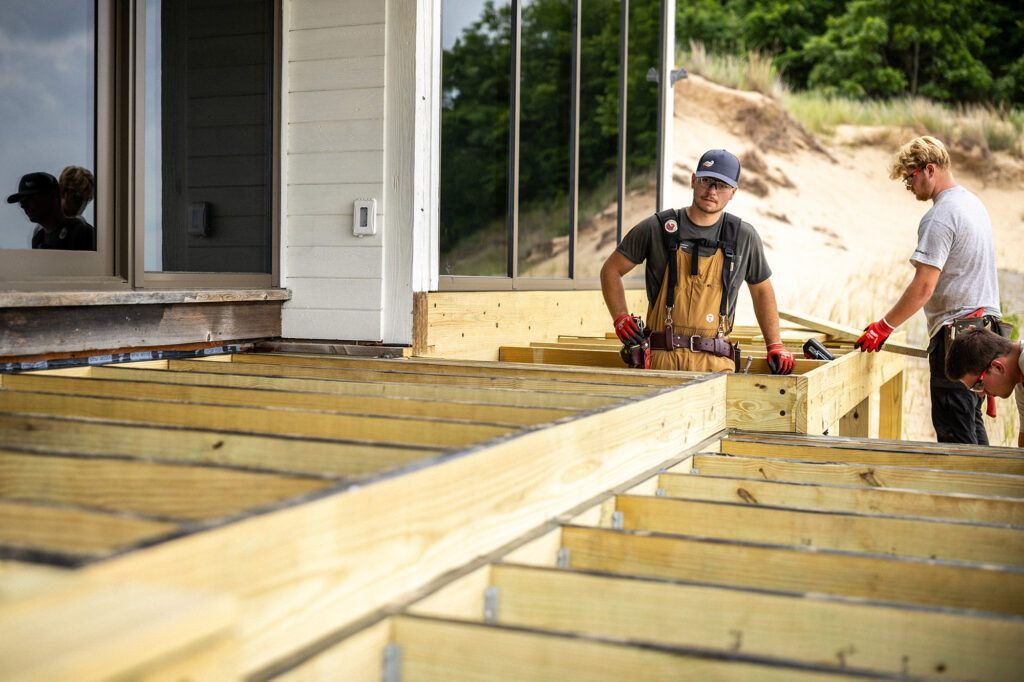
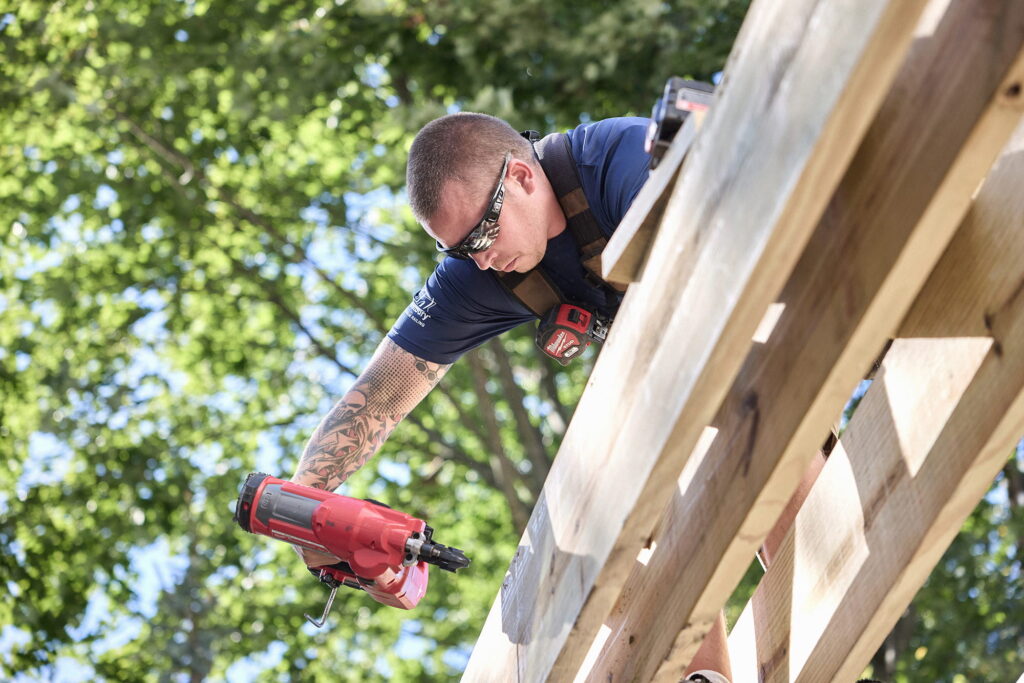
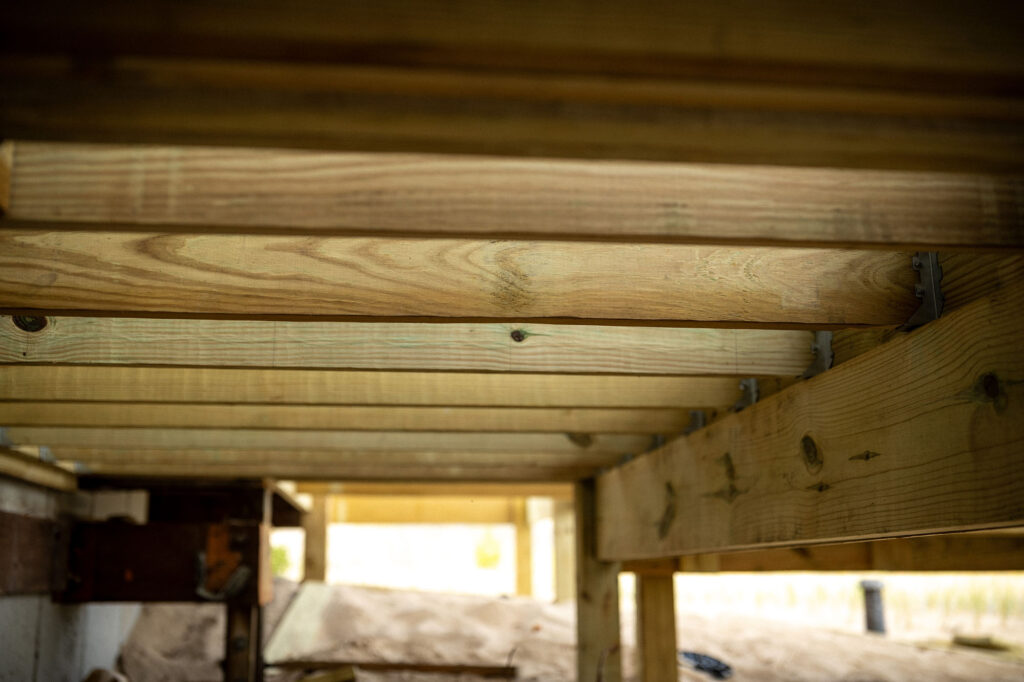
Treated joists are the call for any frame that sits low, stays shaded, and has to carry composite boards at 16 or 12 inches on center.
ProWood Treated Posts
4×4 / 6×6
Structural / Ground Contact
Posts take the load from beam to footing, so they see the harshest exposure on the whole build. Ours are #1 grade in both sizes. A 4×4 handles railing and light deck loads; a 6×6 is the call for taller elevations, heavier beams and pergola columns.
Sizing note: Many jurisdictions now require 6×6 for deck posts over a set height. Check with your building department before you buy 4×4 for a raised deck.
Lengths
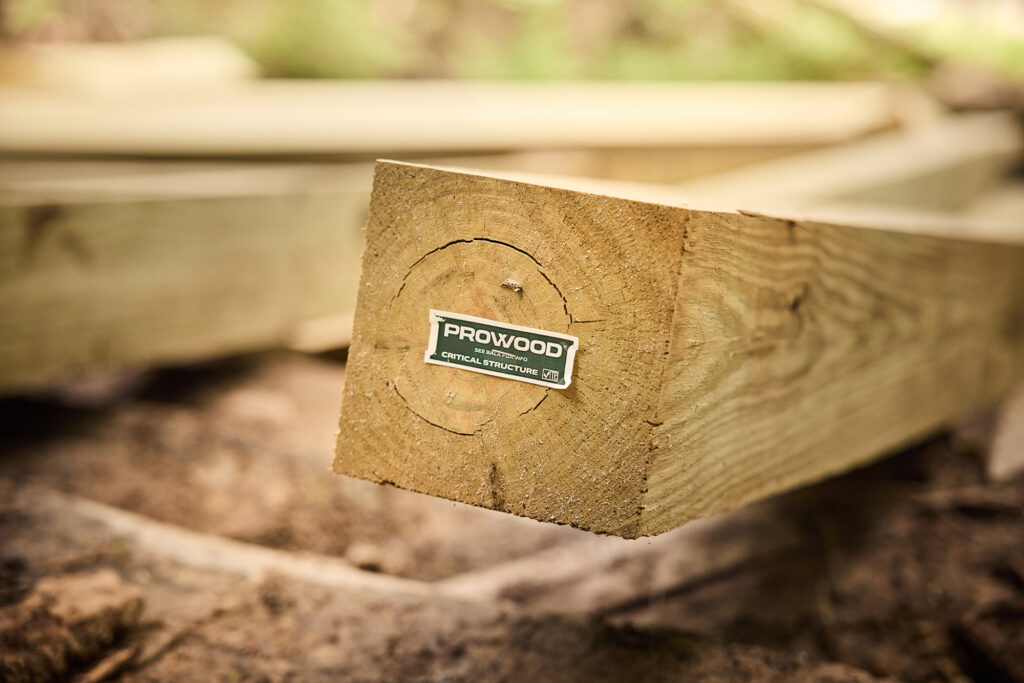
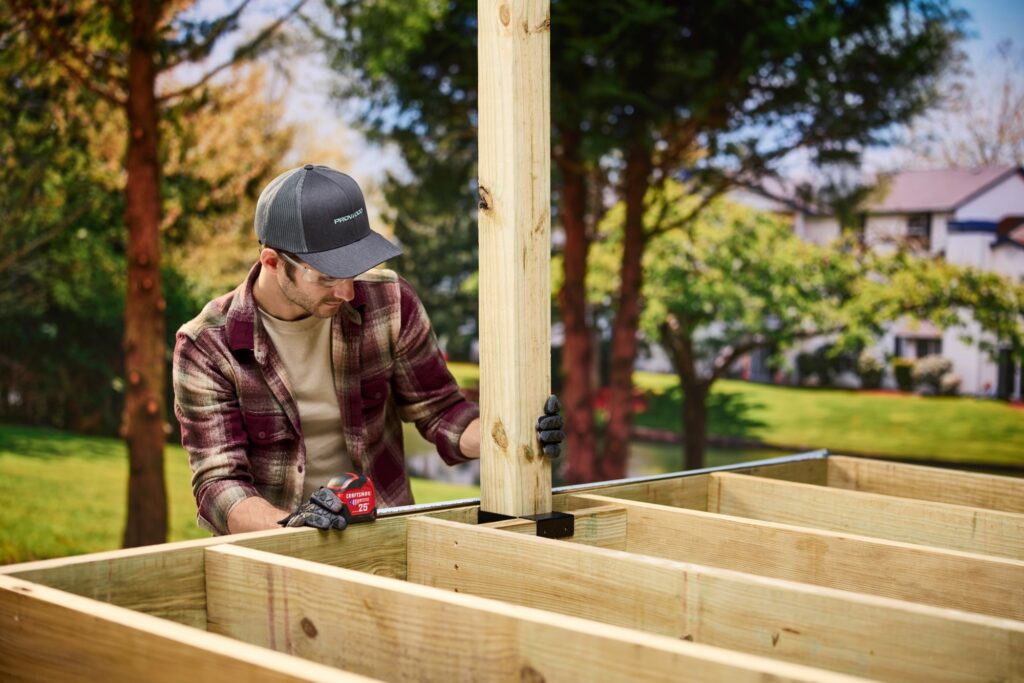
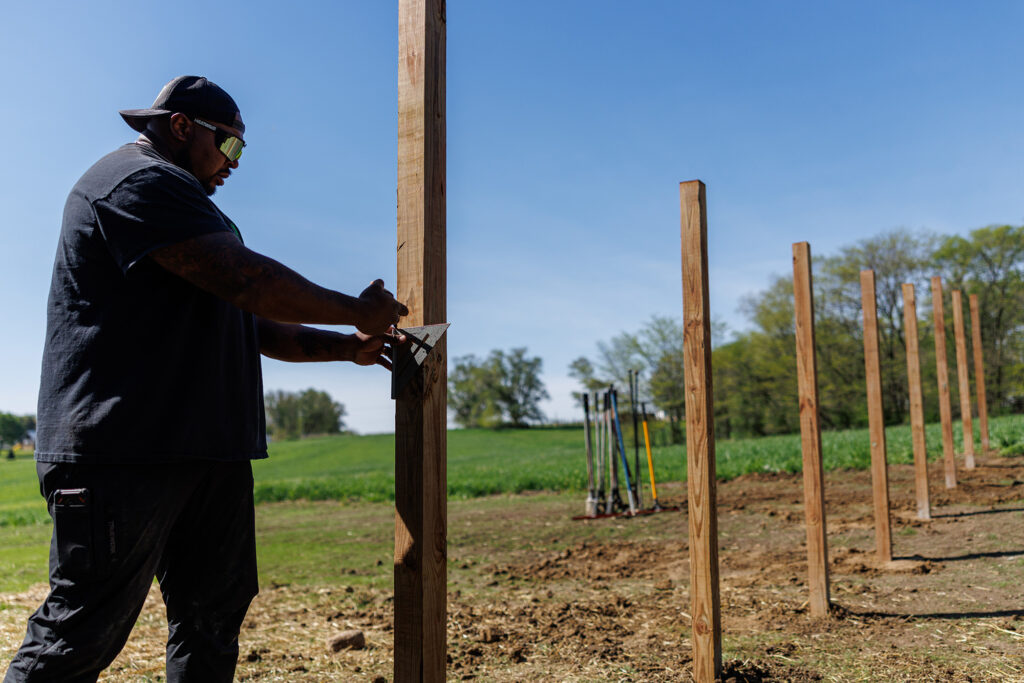
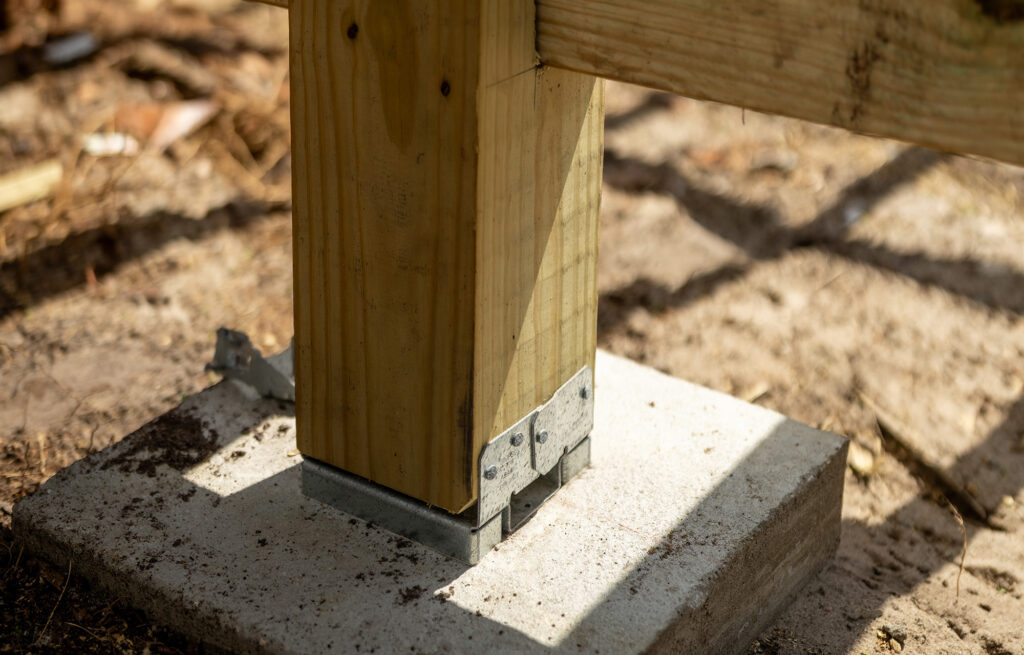
Posts take the whole load down to the footing and sit in the wettest spot on the build, so this is the piece to buy in #1 and set on a standoff base.
ProWood Treated Stair Stringers
4×4 / 6×6
Structural / Ground Contact
Stairs get cut on site from 2×12 stock, and the cutting is what makes grade matter here. Every notch removes material, so a knot in the wrong place turns into a crack in a carriage.
What actually works is buying #1 for stringers even on short runs. You lose less material to culling, and the remaining leg under each notch stays sound. Composite stair treads usually need tighter stringer spacing than the deck field, so count your stringers before you buy.
Lengths
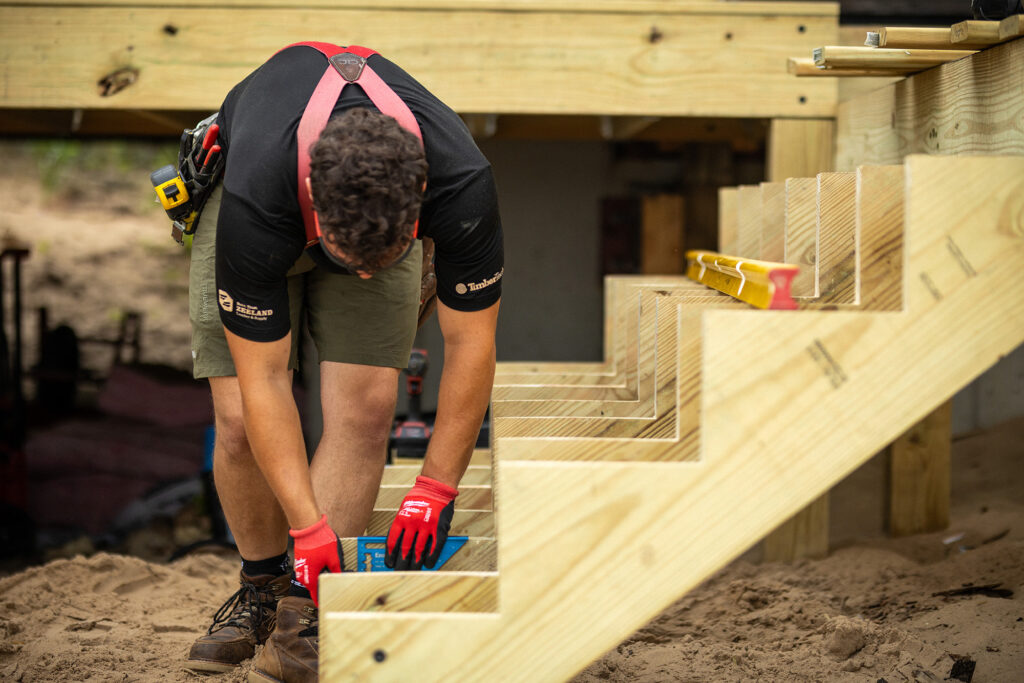
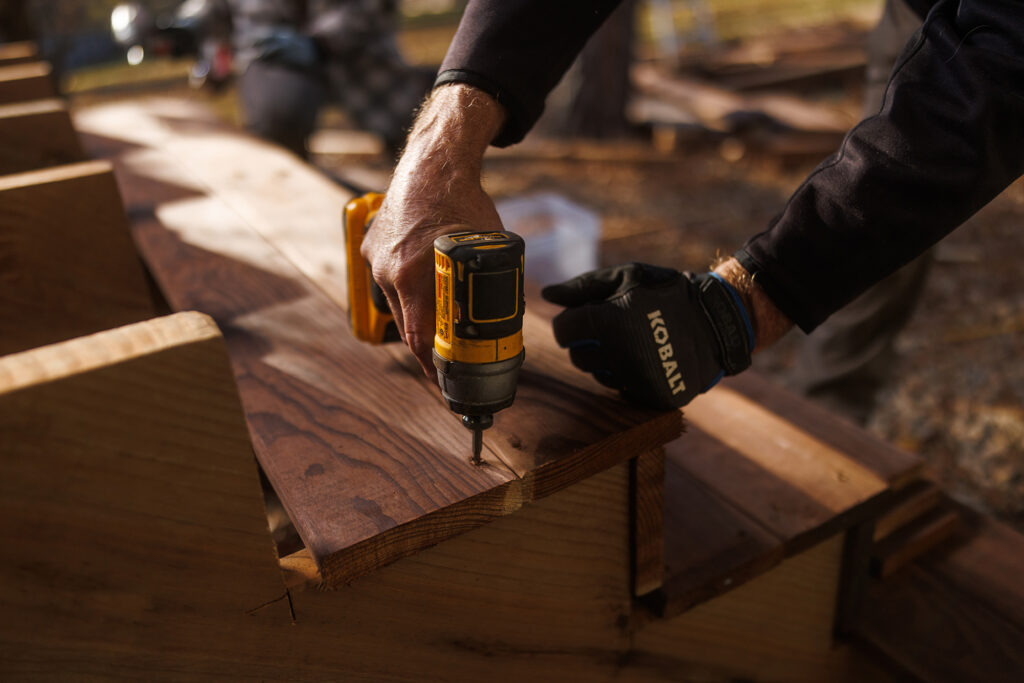
Stairs are the one part of the frame you cut into rather than fasten to, so a clean 2×12 with the knots away from the notch line is worth buying up for.
What We Stock and What Grade It Is
Why it matters: grade is not a marketing tier. It sets how many knots a board can carry, how big they can be, and how much load the piece is rated to take. Two yards can both sell you a “treated 2×12” and hand you very different lumber.
| Size | Actual Dimensions | Lengths In Stock | Grade | Typical Use |
|---|---|---|---|---|
| 2×8 | 1-1/2″ x 7-1/4″ | 10′, 12′ | #2 Prime | Short-span joists, rim board, blocking |
| 2×8 | 1-1/2″ x 7-1/4″ | 14′, 16′, 20′ | #1 | Joists, headers, beam plies |
| 2×10 | 1-1/2″ x 9-1/4″ | 10′, 12′ | #2 Prime | Joists, stair treads, landings |
| 2×10 | 1-1/2″ x 9-1/4″ | 14′, 16′, 20′ | #1 | Joists, built-up beams |
| 2×12 | 1-1/2″ x 11-1/4″ | 10′, 12′ | #2 Prime | Cut stair stringers, short beams |
| 2×12 | 1-1/2″ x 11-1/4″ | 14′, 16′, 20′ | #1 | Long joists, beams, deep stringers |
| 2×4 | 1-1/2″ x 3-1/2″ | 16′ | #1 | Blocking, bracing, ledger backing, railing sub-frame |
| 4×4 | 3-1/2″ x 3-1/2″ | 8′, 10′ | #1 | Deck posts, railing posts, fence posts |
| 6×6 | 5-1/2″ x 5-1/2″ | 8′, 10′, 12′ | #1 | Structural posts, tall elevations, pergola columns |
#1 Grade vs #2 Prime: The Practical Difference
#1 grade carries few, small knots, none larger than 2-3/4 inches, and allows one hole every three feet. Fewer and smaller knots is exactly why it is stronger than #2. That is the grade we put in every length of 14 feet and up, because those are the pieces carrying the longest spans.
#2 Prime has the structural properties of #2 grade with a noticeably better face: fewer knots, cleaner appearance. On 10 and 12 foot lengths the span demand is lower, so the appearance grade earns its place. Exposed framing on a low deck looks better for it.
Grade definitions per ProWood’s published grading criteria.
How Far Can ProWood Treated Joists Span?
Maximum clear spans come from IRC Table R507.6, reproduced in the American Wood Council’s DCA 6 deck construction guide. Values below assume #2-and-better southern yellow pine, 40 PSF live load plus 10 PSF dead load, wet service conditions.
| Joist Size | 12″ On Center | 16″ On Center | 24″ On Center |
|---|---|---|---|
| 2×8 | 13′-1″ | 11′-10″ | 9′-8″ |
| 2×10 | 16′-2″ | 14′-0″ | 11′-5″ |
| 2×12 | 18′-0″ | 16′-6″ | 13′-6″ |
Spacing is set by your deck boards, not your joists. Nearly all composite and PVC decking requires 16 inches on center, and most brands drop to 12 inches for a 45-degree diagonal layout. Check the board manufacturer’s instructions before you set the layout. Our composite and PVC decking pages list the spacing requirement for each line.
Pressure-Treated Protection, Explained
Untreated lumber outdoors loses to biology before it loses to weather. Fungi, termites and marine borers do the damage; rain, sun and wind finish the job. Pressure treatment forces preservative into the wood cells under pressure, so protection sits inside the board rather than on its surface.
ProWood uses MCA, Ecolife and CA-C preservatives, all compliant with American Wood Protection Association standards. These are the current generation of copper-based and carbon-based chemistries, chosen partly because they are less corrosive to fasteners than older formulations. They are also non-toxic to people, pets and plants once the wood is installed.
Treatment level is not one thing. Above Ground, Ground Contact and Critical Structure are separate retention levels, and the end tag on the bundle tells you which one you have. Under a deck, where airflow is poor and water sits on joist tops, Ground Contact is the level to specify. ProWood has been treating lumber for over 70 years and backs Ground Contact, Above Ground and Critical Structure products with a lifetime limited warranty.
Fasteners matter as much as the wood. ProWood lists hot-dip galvanized steel, stainless, aluminum, copper and red brass as compatible. Bright or electroplated fasteners corrode fast in treated lumber and will stain the frame. We stock matched structural screws, hangers and post bases on our hardware page.
Cut ends are the weak point. The IRC requires field-cut ends to be treated with a copper-based preservative. Every notch, every rip, every angled cut. Skipping it is the single most common reason a treated frame rots early at the stringers.
Lifetime Limited Warranty
ProWood backs Ground Contact, Above Ground and Critical Structure treatments for the life of the structure.
Ground Contact Rated
Built for the wet, shaded, low-airflow conditions that live under every deck.
#1 Grade On Long Lengths
Everything 14 feet and longer is #1: few knots, none over 2-3/4 inches, stronger than #2.
#2 Prime On 10 & 12 Foot
2 structural values with a cleaner face, which shows on exposed low-deck framing.
Rot, Decay and Termite Resistance
Backed by a 50-Year Limited Residential and Fade & Stain Warranty, Trex Signature guarantees peace of mind for decades.
Fastener-Friendly Chemistry
MCA, Ecolife and CA-C are less corrosive to hardware than older treatments.
Paint & Stain Ready
Takes finish once the board has dried down. No need to leave it bare.
Two Illinois Yards
Plainfield and Spring Grove, both carrying framing lumber. We deliver.
ProWood is a pressure-treated lumber brand from UFP, used for deck joists, beams, posts, stringers and other outdoor framing. Preservative is forced into the wood under pressure so it resists rot, decay and insects. The brand has been treating lumber for more than 70 years and backs most products with a lifetime limited warranty.
1 grade is the stronger of the two. It permits few knots, none larger than 2-3/4 inches, and one hole every three feet. #2 Prime carries the structural values of #2 grade but with fewer knots and a better face, so it is chosen when appearance matters more than maximum span.
Both, split by length. Every 14, 16 and 20 foot piece is #1, because those are the boards carrying the longest spans. Ten and twelve foot lengths are #2 Prime. Our 2x4x16, 4×4 and 6×6 are all #1.
Fourteen feet at 16 inches on center, for southern yellow pine graded #2 or better, under the standard 40 PSF live plus 10 PSF dead load case. Tighten to 12 inches on center and the same joist reaches 16 feet 2 inches. Span is measured face of support to face of support, and local amendments can change the figure.
ProWood produces treated lumber at several retention levels, and Ground Contact is one of them. The end tag stapled to each piece states the level. For deck substructure, where airflow is limited and water sits on joist tops, Ground Contact is the level to specify.
Yes. The International Residential Code requires field-cut ends of treated lumber to be treated with a copper-based preservative. That covers every notch on a stair stringer and every trimmed joist. Cut ends are where most early rot starts
Hot-dip galvanized steel, stainless steel, aluminum, copper and red brass are all listed as compatible by ProWood. Avoid bright or electroplated fasteners, which corrode quickly and stain the frame. Match your joist hangers and post bases to the same corrosion class as your screws.
Yes, once the wood has dried down. Freshly treated lumber holds moisture that stops finish from bonding. Sprinkle water on the surface; if it beads rather than soaking in, the board is not ready.
It is worth doing on every deck. Joist tape puts a waterproof membrane on the top edge of each joist, which is where water pools and fastener holes let it in. Treatment protects the wood, and tape keeps the water from ever getting the chance.
Premium Decking Supply carries it at both Illinois yards, in Plainfield and Spring Grove, with delivery available. Call (815) 439-3325 for a board count, current pricing and pickup timing. Bring your span and spacing and we will size the frame with you at the counter.