The place for all your outdoor living space!

Article Overview
- What Is a Pergola? Definition and Main Parts
- What Is the Point of a Pergola?
- Different Types of Pergolas
- How Much Shade Does a Pergola Provide?
- What Is a Pergola Made Of?
- Popular Pergola Brands and Systems
- Pergola vs. Gazebo, Pavilion, and Arbor
- Where Can You Install a Pergola?
- Pergola Installation: Permits and Safety
- How to Choose the Right Pergola Size
- How Much Does a Pergola Cost in 2026?
- Are Pergolas Worth It?
- Find the Right Pergola for Your Deck, Patio, or Backyard
- Frequently Asked Questions About Pergolas
A sunny backyard can feel too hot for afternoon meals. An uncovered patio may offer little relief from direct sunlight. Even a beautiful deck can become uncomfortable during the warmest hours of the day.
A pergola can help make these outdoor areas more useful.
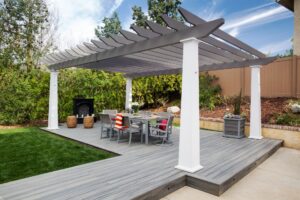
If you’re wondering what is a pergola, it’s an outdoor structure with vertical supports and an open or adjustable overhead roof. It provides shade, defines a seating area, and creates an outdoor gathering place.
Unlike a traditional covered patio, a pergola does not always protect against rain. Its shade and weather protection depend on the roof design.
Pergolas come in different materials, sizes, and styles. You can install them over decks, patios, garden walkways, and outdoor dining spaces.
This guide explains how pergolas work, their benefits, costs, and what to consider before choosing one.
What Is a Pergola? Definition and Main Parts
A pergola is an outdoor structure with vertical posts or columns that support horizontal beams, rafters, or roof slats. Traditional pergolas have open roofs that allow sunlight and air to pass through.
The pergola definition also includes modern designs with adjustable louvers and retractable canopies.
Although roof styles vary, the basic pergola meaning stays the same. The structure creates a defined outdoor area while providing some degree of shade.
What Are the Main Parts of a Pergola?
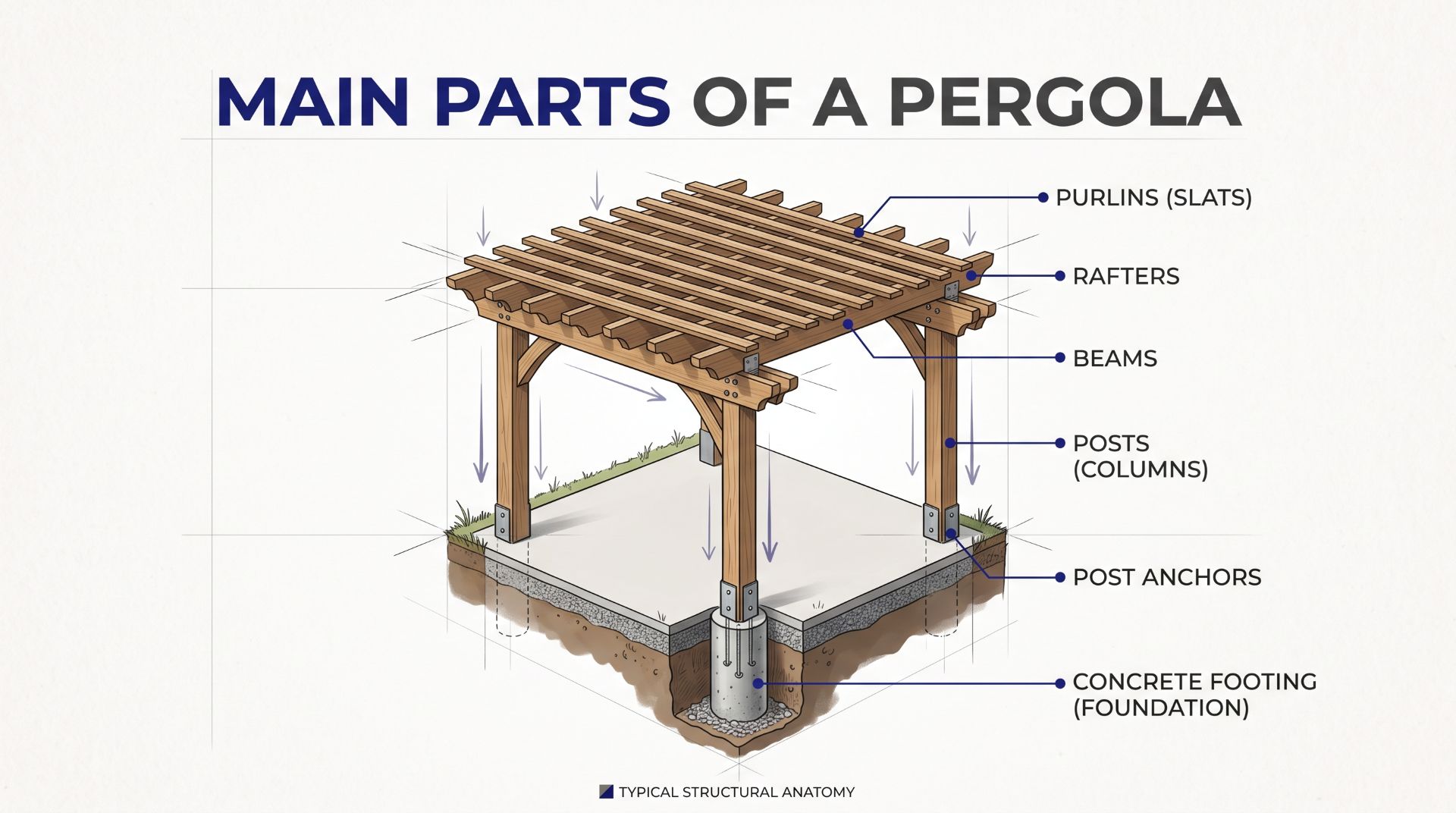
Most traditional pergolas contain these components:
- Posts or columns: Vertical members that support the overhead structure.
- Beams: Horizontal supports that carry loads from rafters and roof components.
- Rafters: Overhead members that create the open roof framework.
- Purlins or shade slats: Smaller members that add shade and complete the roof pattern.
- Post bases and anchors: Hardware that connects the structure to an approved support system.
- Footings or foundations: Structural elements that transfer loads into the ground.
Not every pergola uses the same parts. Some aluminum systems have integrated beams, drainage channels, and adjustable roof panels.
What Is the Point of a Pergola?
The main purpose of a pergola is to create a more comfortable outdoor area without completely enclosing it.
Pergolas offer several practical benefits.
Add Shade Without Blocking All Sunlight
Open-roof pergolas filter direct sunlight through overhead beams and slats. This can make seating areas more comfortable during sunny weather.
The amount of shade changes with the roof layout, season, and sun position.
Create an Outdoor Living Area
A pergola defines a space for dining, relaxing, or entertaining. You can place outdoor furniture beneath it without adding walls.
This works on a backyard patio, pool deck, or raised residential deck.
Support Climbing Plants
Traditional garden pergolas can support climbing roses, grapevines, and other plants.
As plants grow across the roof, they can increase natural shade. The structure must support the added plant weight.
Add Privacy and Outdoor Features
Some pergolas support privacy screens, curtains, lighting, and other accessories.
These additions can improve comfort and extend how you use the area. Always confirm that the structure supports the selected accessories.
Different Types of Pergolas
Pergolas differ in how they are supported and how their roofs operate.
Freestanding Pergola
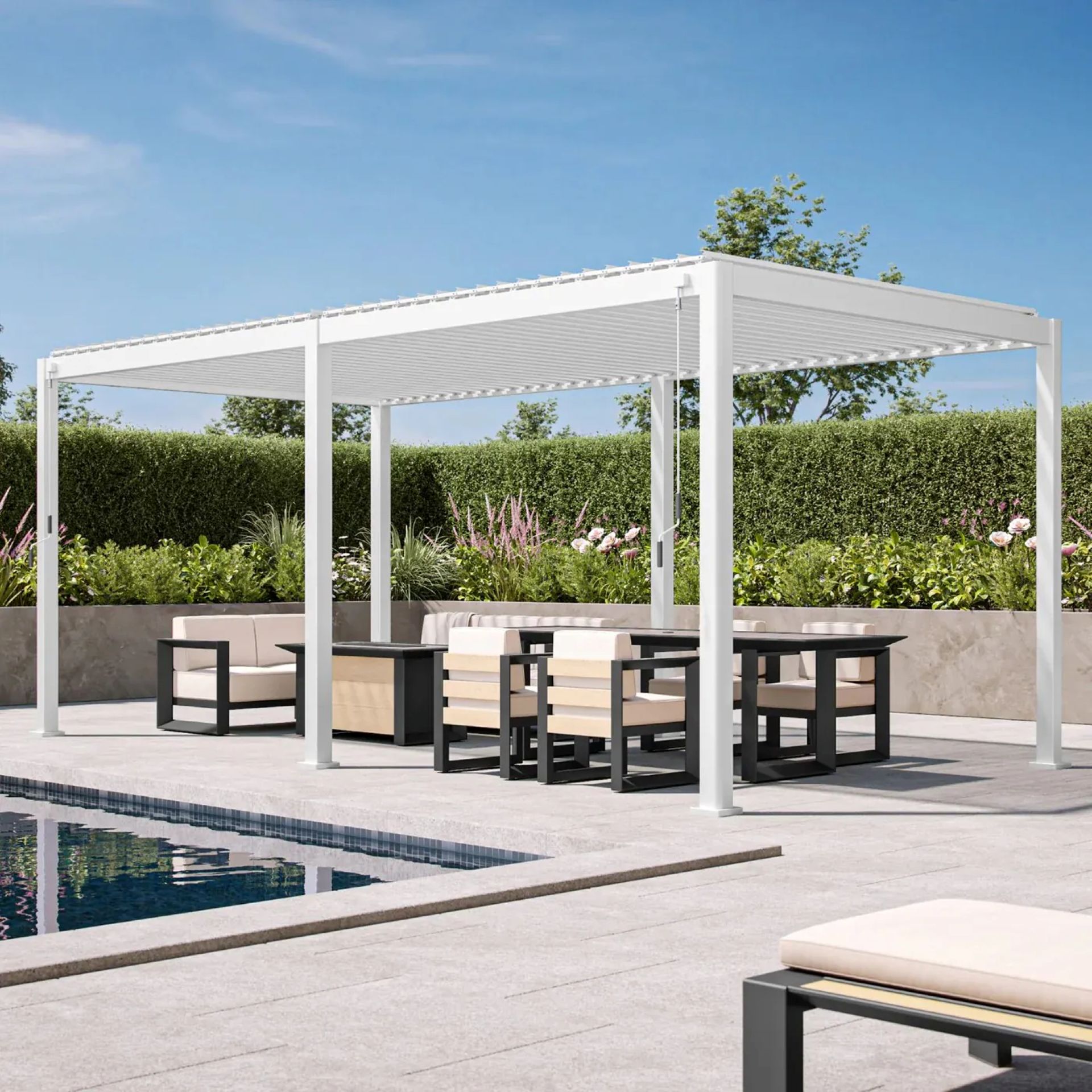
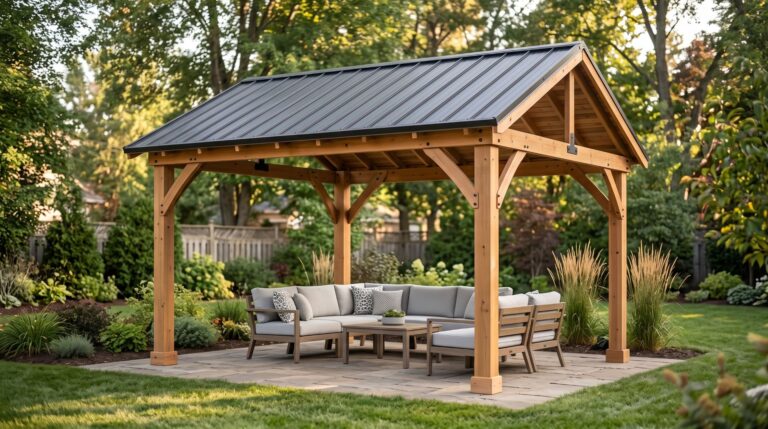
A freestanding pergola supports itself through independent posts and foundations.
You can install one anywhere the site allows, including gardens, pool areas, and backyard patios. It does not rely on a house for structural support.
Attached Pergola
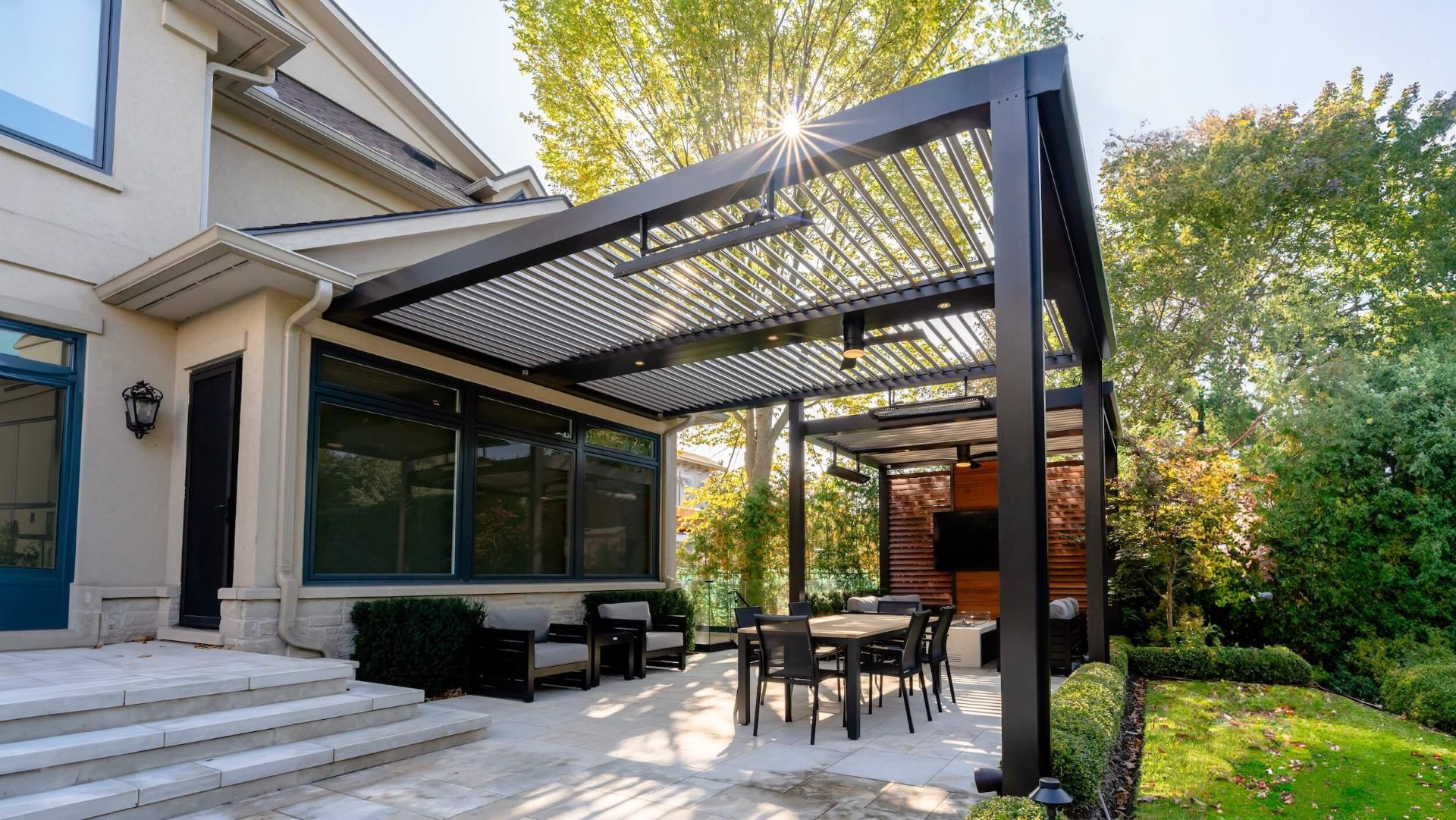
An attached pergola connects to a building through an approved structural attachment.
It can extend an outdoor living area beside a house. Proper connections, flashing, and load support are required.
Traditional Open-Roof Pergola
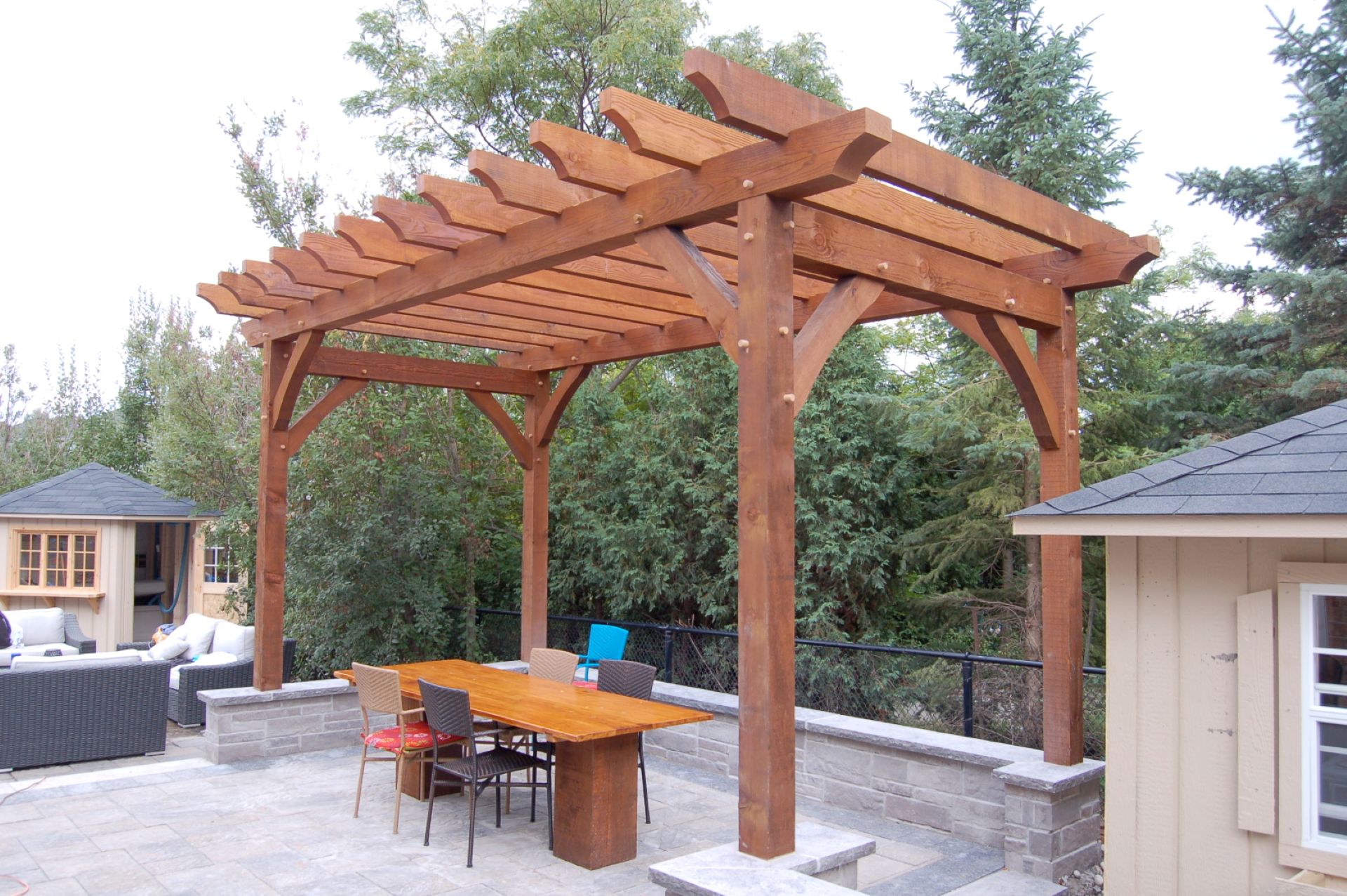
Traditional pergolas feature fixed rafters or slats with open spaces between them.
They provide partial shade and airflow but offer little rain protection.
Louvered Pergola
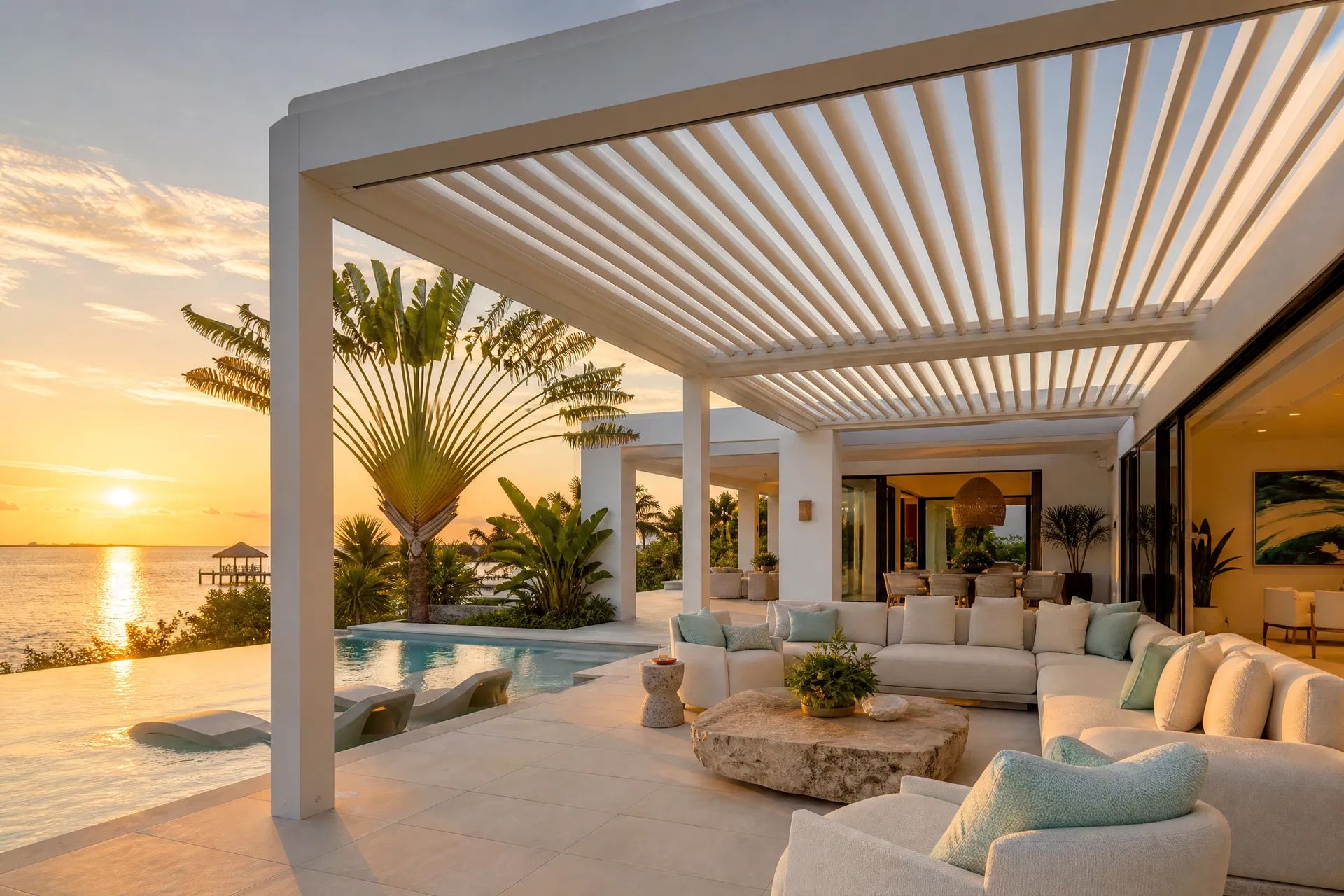
A louvered pergola uses adjustable overhead panels that rotate to control sunlight.
Some models operate manually. Others use motors, remote controls, or smart systems. Selected models include drainage features for rain management.
Retractable Canopy Pergola
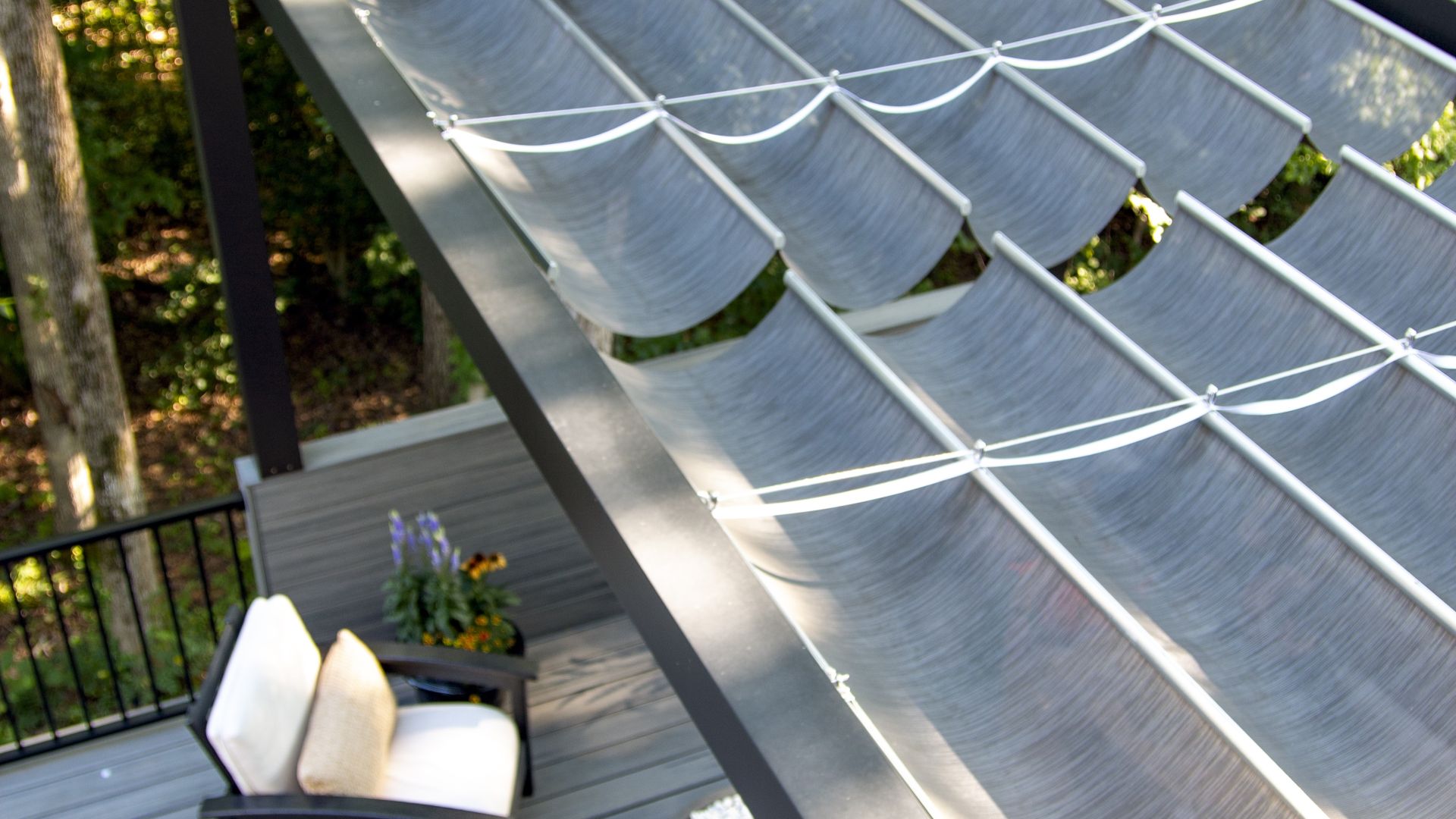
A retractable pergola uses fabric panels that open and close across its roof.
The canopy creates flexible shade without requiring a solid roof. Weather protection depends on the fabric and system design.
How Much Shade Does a Pergola Provide?
Pergola shade depends on roof coverage, height, orientation, and the time of day.
A traditional pergola with widely spaced rafters allows more direct sunlight than one with closely spaced slats.
An adjustable louvered pergola can provide more control. Closing the louvers reduces sunlight, while opening them allows more light and airflow.
Pergolas with retractable fabric canopies offer another way to change shade levels.
Does a pergola keep rain out? A traditional open-roof pergola does not. Some adjustable-roof systems can manage rain when closed, but their performance varies.
Check the manufacturer’s weather ratings before assuming any pergola is waterproof.
What Is a Pergola Made Of?
Pergolas can be built with wood, aluminum, fiberglass, vinyl, or reinforced cellular PVC.
Each material has different maintenance needs and structural properties.
| Material | Main advantages | Considerations |
|---|---|---|
| Pressure-treated wood | Often affordable and widely available | Needs periodic maintenance and inspection |
| Cedar | Natural appearance and decay resistance | May weather, crack, or need refinishing |
| Aluminum | Low maintenance and does not rot | Finish quality and structural strength vary |
| Fiberglass | Strong, lightweight components with low maintenance | Product selection and cost vary |
| Vinyl and reinforced PVC | Clean appearance and low surface maintenance | Structural support depends on the product design |
Wood suits traditional backyard structures. Aluminum works well for modern designs and adjustable roofs.
Fiberglass and reinforced cellular PVC offer other low-maintenance choices.
For a detailed material comparison, read our Trex Pergola vs. Cedar Pergola article.
Popular Pergola Brands and Systems
Several manufacturers offer pergola systems for different outdoor settings.
Trex Pergola
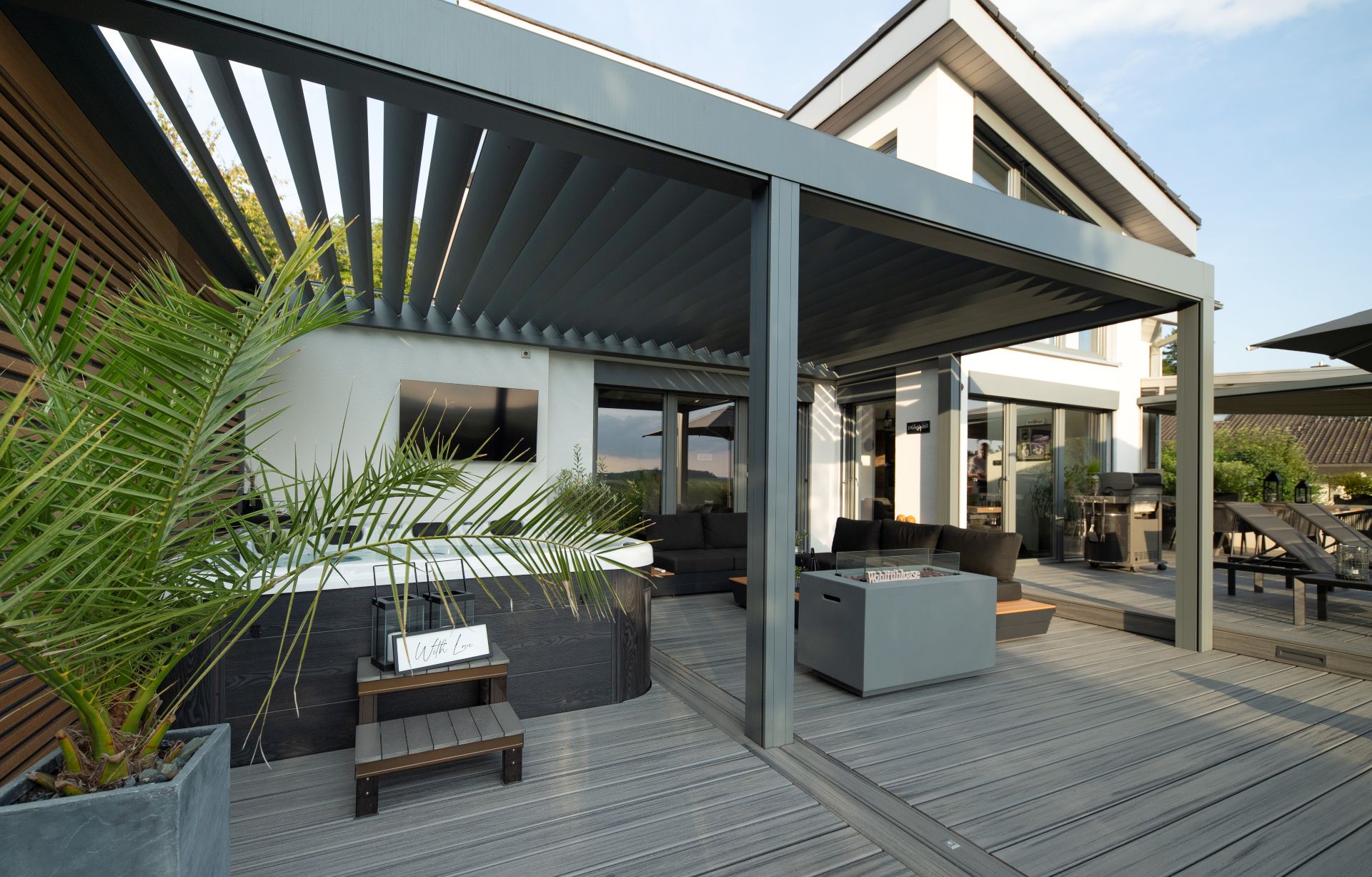
Trex offers traditional and modern pergola designs using aluminum-reinforced cellular PVC and aluminum components.
The Trex Pergola lineup includes freestanding and attached structures, along with selected canopy and shade options.
Trex is worth considering when you want architectural design options with less finish maintenance than typical wood.
Americana Outdoors Pergolas
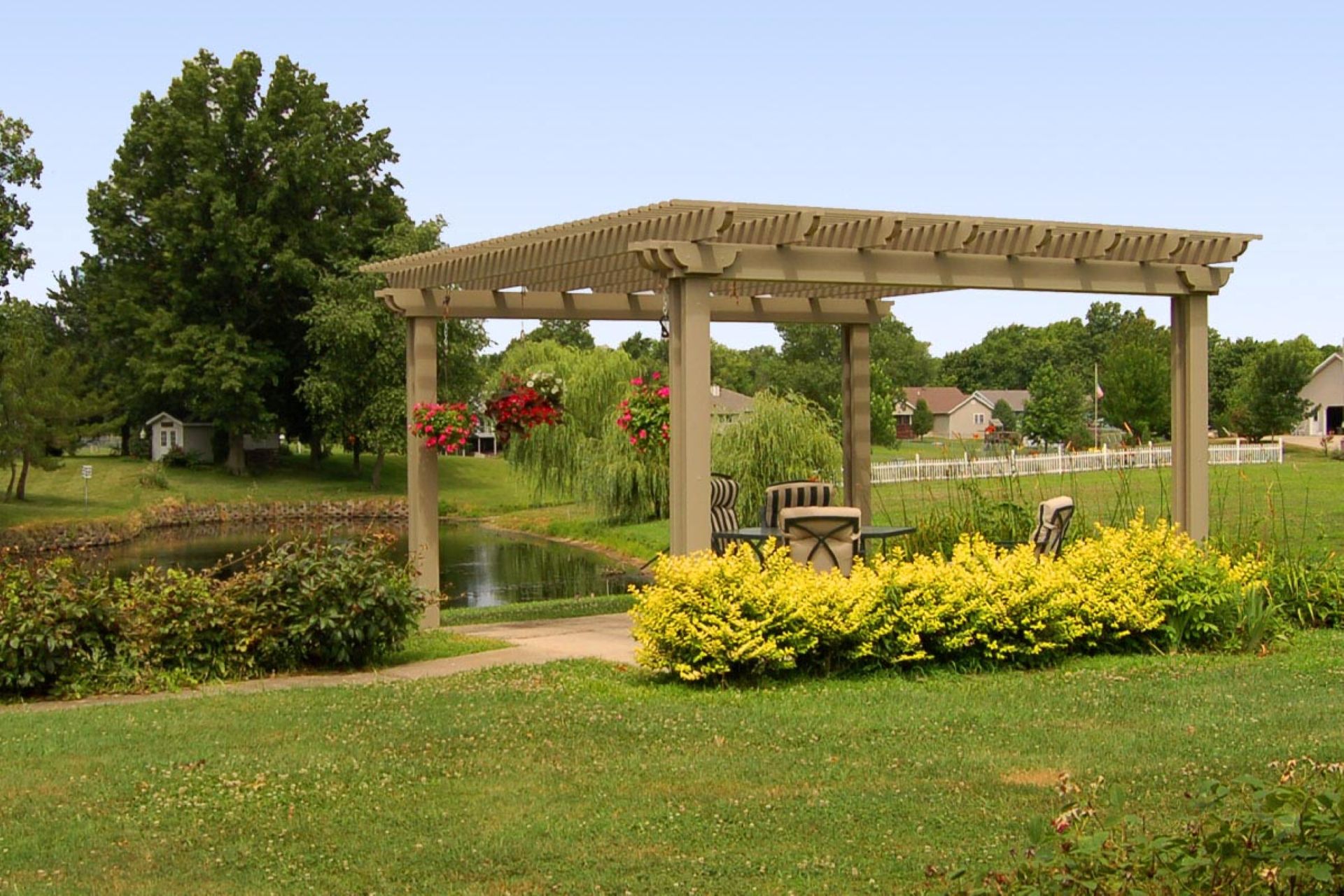
Americana offers aluminum pergolas in freestanding, attached, and decorative styles.
Its systems include different roof lattice patterns, colors, and size options. Some models use embossed aluminum finishes that resemble wood.
Americana can suit patios, backyard gathering areas, and other spaces where aluminum construction is preferred.
HB&G Fiberglass Pergolas
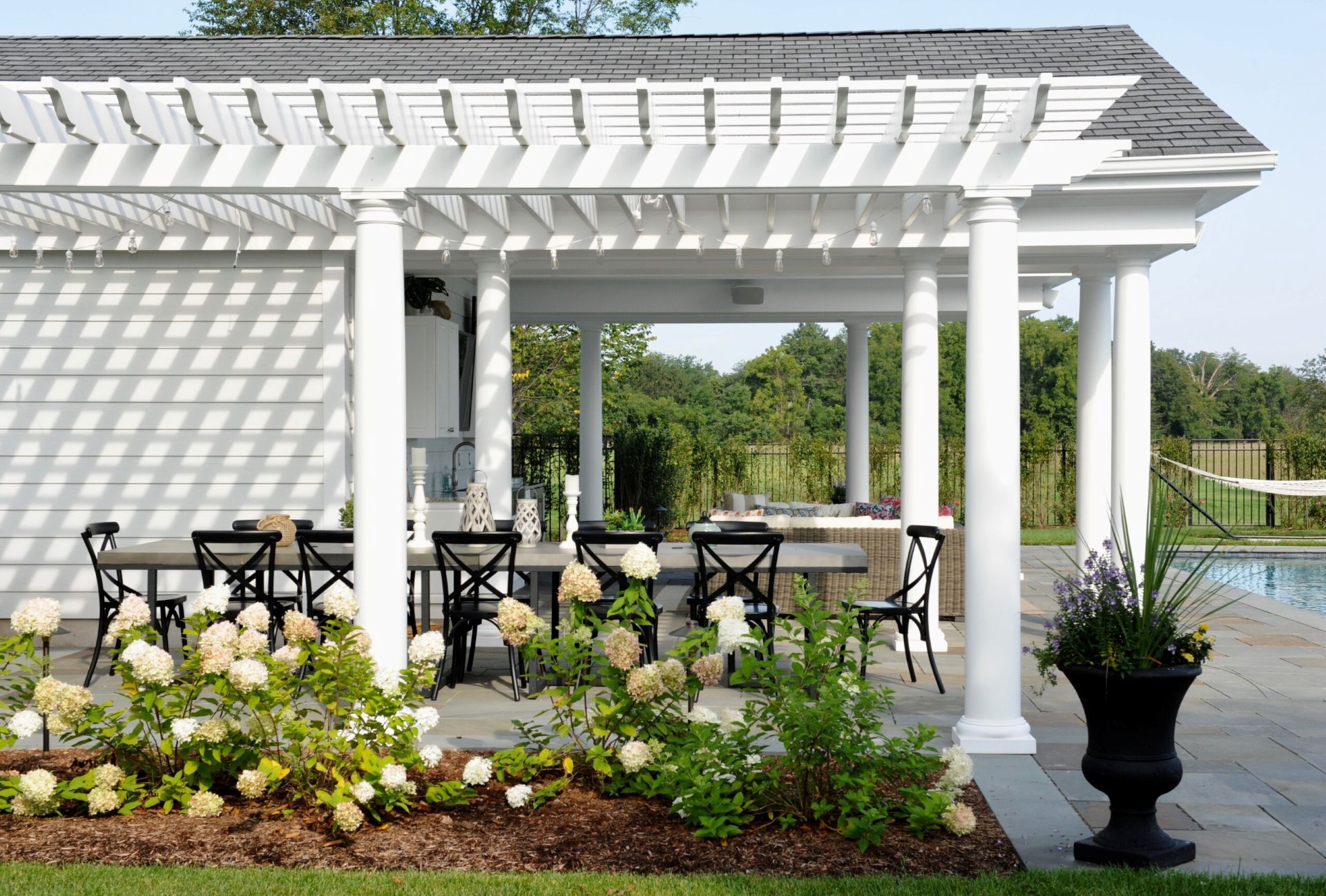
HB&G manufactures fiberglass pergolas, including Serenity, Tranquility, and Solace designs.
These systems combine structural fiberglass components with traditional or contemporary styles.
HB&G can be a good option for homeowners seeking fiberglass construction and a classic column appearance.
EDG Patio & Shade Motorized Pergolas
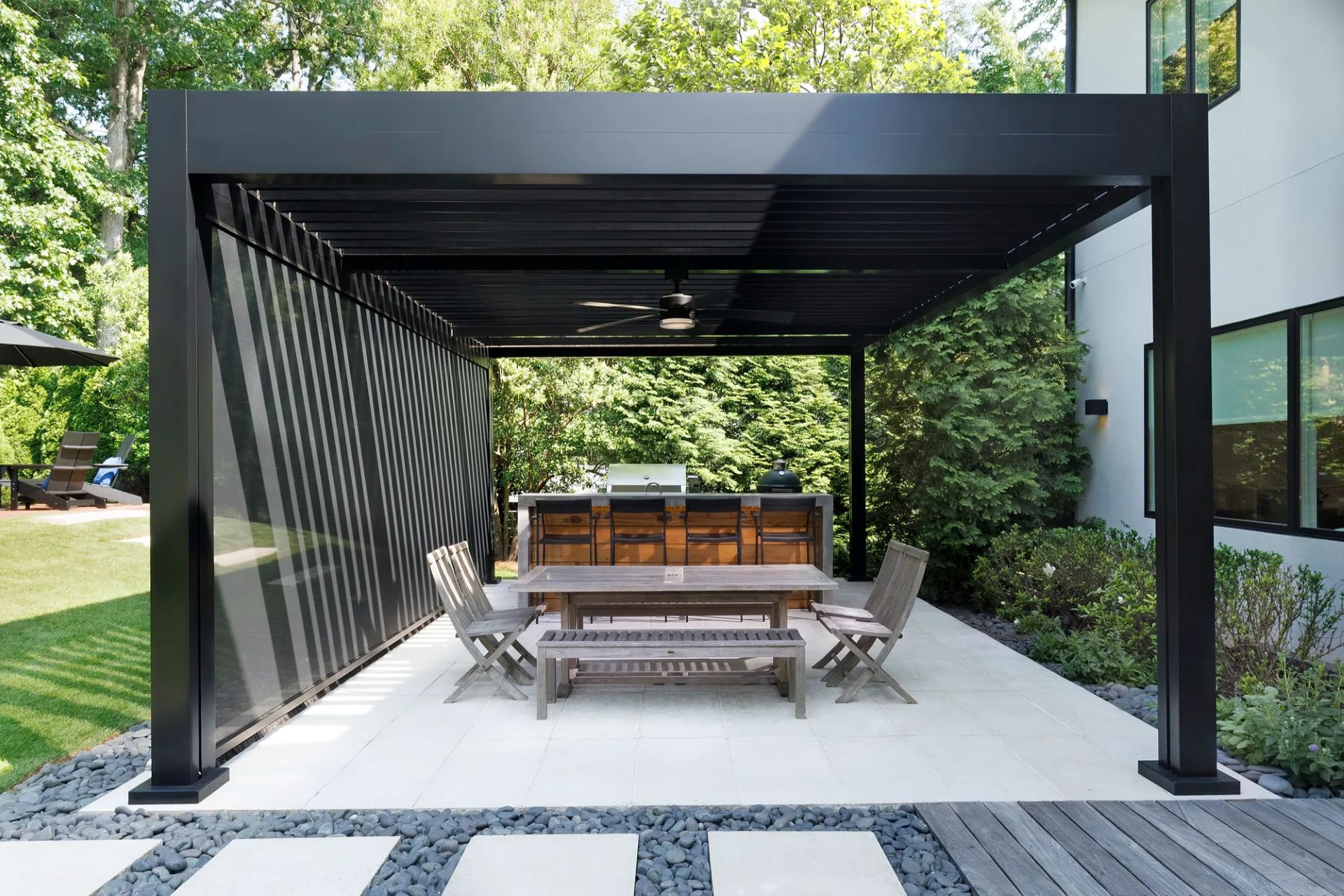
EDG Patio & Shade specializes in motorized outdoor pergola systems from multiple manufacturers.
Its offerings focus on adjustable aluminum roofs, integrated drainage, and optional outdoor comfort features.
This approach suits projects requiring greater control over sunlight and rain. Exact features depend on the selected manufacturer and system.
Choosing between these options: Compare the roof design, structural ratings, appearance, maintenance needs, and available accessories. The right product depends on the site and how you plan to use it.
Pergola vs. Gazebo, Pavilion, and Arbor
Pergolas are often confused with other outdoor structures.
The biggest differences involve the roof design, size, and intended use.
| Structure | Typical roof | Main purpose |
|---|---|---|
| Pergola | Open or adjustable | Shade and outdoor area definition |
| Gazebo | Solid roof, often pitched | Outdoor shelter and seating |
| Pavilion | Solid roof with open sides | Covered dining and gatherings |
| Arbor | Small lattice or arched roof | Garden entryways and climbing plants |
A gazebo or pavilion usually provides more consistent rain protection than a traditional pergola.
Modern louvered pergolas can offer similar coverage under suitable conditions.
Read our Pergola vs Gazebo guide for a closer comparison.
Where Can You Install a Pergola?
Pergolas work in many outdoor locations. The installation method depends on the support surface and structure.
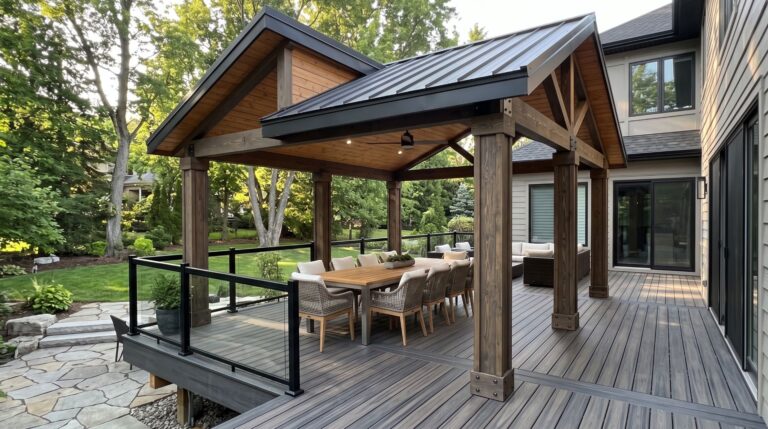
Pergola Over a Deck
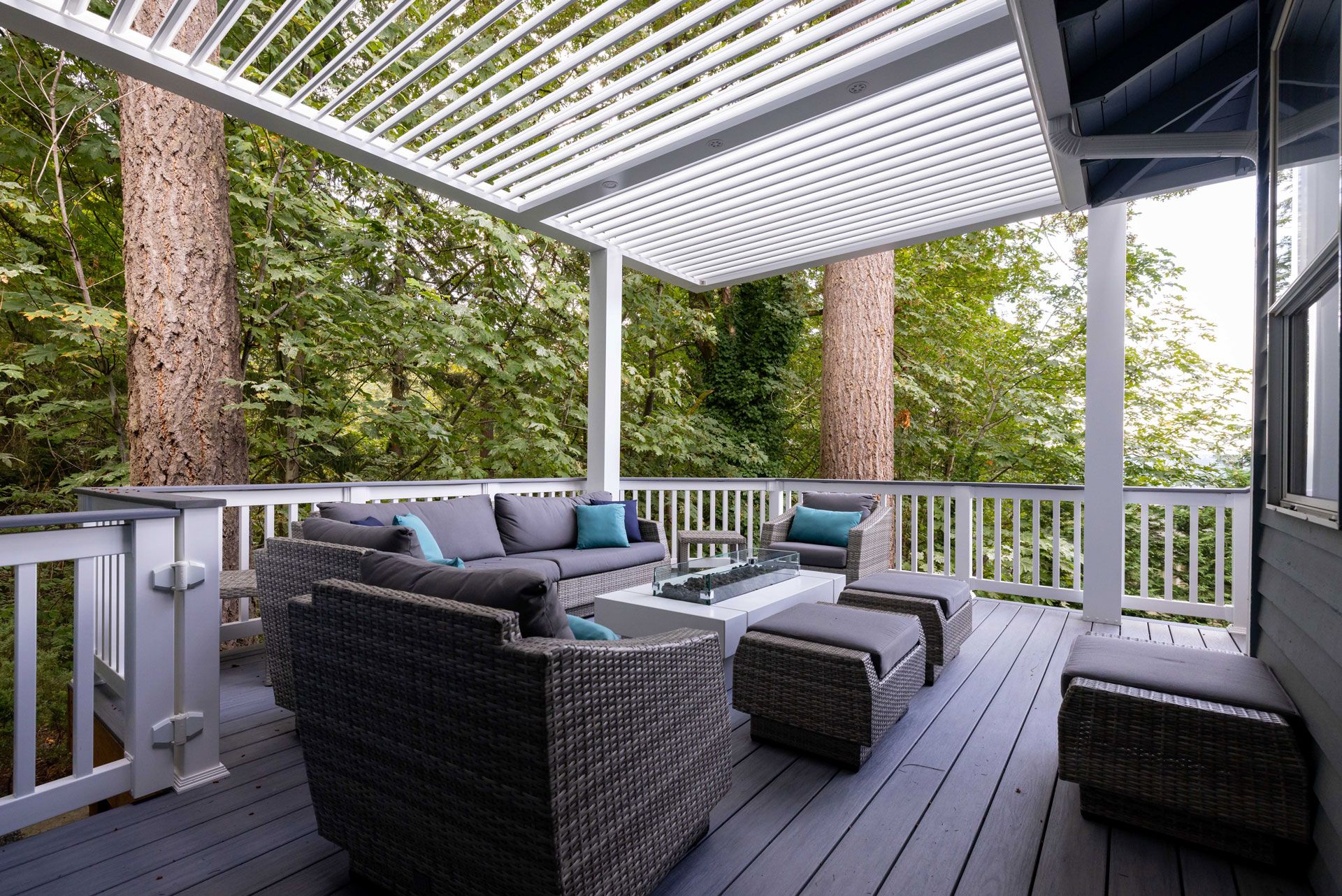
A pergola can provide shade above composite, PVC, or wood decking.
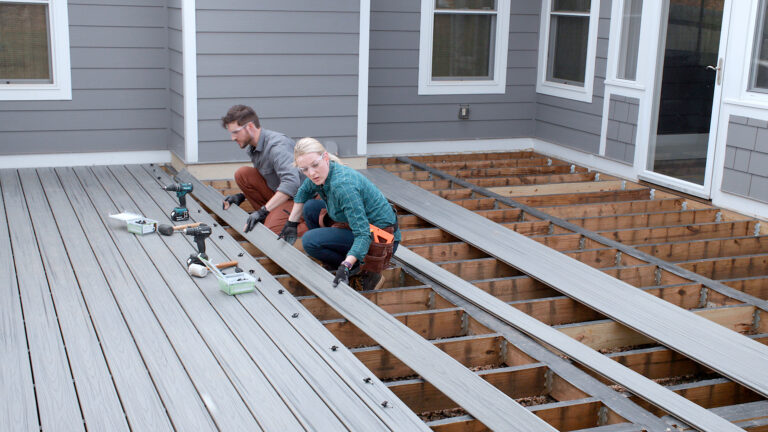
However, decking boards cannot serve as the sole structural support for pergola posts.
A qualified professional should evaluate the deck’s framing, connections, and footings. Independent supports may be required.
Pergola Over a Patio
Patio pergolas provide shade for outdoor dining, seating, and cooking areas.
Some systems can attach to an engineered concrete slab. Others need dedicated footings.
Do not assume an existing patio slab is suitable for pergola post anchors.
Pergola in a Garden or Backyard
Freestanding pergolas work well over walkways, garden seating areas, and separate gathering spaces.
Their placement does not depend on an existing building. However, they still need approved foundations and safe structural connections.
Pergola Installation: Permits and Safety
A pergola may require a building permit depending on its size, height, location, and design.
Local zoning rules, property setbacks, and HOA requirements may also apply.
Foundations and Structural Support
Pergola footings must handle the structure’s weight and the forces acting on it.
Foundation requirements depend on soil conditions, frost depth, wind, and other loads.
Post anchors must resist uplift and lateral movement. Do not use decorative brackets as substitutes for approved structural connections.
Wind and Snow Loads
Pergolas experience wind forces even when their roofs are open.
Solid canopies and closed louvers may increase loading. Snow accumulation can also affect certain roof systems.
Choose a product engineered for your local conditions and follow its installation documents.
Electrical Accessories
Lighting, ceiling fans, heaters, and motorized roof controls may require electrical work.
Confirm accessory compatibility before ordering. Electrical installation should follow applicable codes and manufacturer instructions.
How to Choose the Right Pergola Size
Start with the area you want to cover, then consider furniture placement and walking space.
A 10-by-10-foot pergola may accommodate a small seating arrangement. A 12-by-16-foot design can provide more room for outdoor dining.
These are planning examples, not universal size recommendations.
Measure the usable area and consider:
- Furniture dimensions and chair movement
- Sun exposure during the hours you use the space
- Doors, windows, and nearby structures
- Property setbacks and overhead clearance
- Post locations and foundation requirements
Leave enough space around the furniture to move comfortably.
For design inspiration, explore our 55 Backyard Pergola Ideas.
How Much Does a Pergola Cost in 2026?
Pergola prices vary widely based on size, materials, roof style, and installation requirements.
According to Angi’s September 2026 national cost data, most professionally installed pergolas cost approximately $2,118 to $6,433, with an average near $4,253.
Motorized pergolas fall into a different pricing category. Angi’s July 2026 estimates range from about $3,900 to more than $50,000, depending on size and features.
These are national market estimates.
| Cost factor | What affects the price |
|---|---|
| Pergola size | Larger structures require more materials |
| Material | Wood, aluminum, fiberglass, and reinforced PVC differ in cost |
| Roof design | Fixed roofs usually cost less than advanced motorized systems |
| Foundation | New footings and site preparation add expense |
| Installation | Labor varies by location and project complexity |
| Accessories | Screens, lighting, fans, and controls increase costs |
High-end architectural systems may cost considerably more than a basic pergola kit.
For accurate pricing, request a quote based on your dimensions, preferred materials, and roof design.
Are Pergolas Worth It?
A pergola can be a worthwhile addition when you want shade and a defined outdoor gathering area.
Traditional designs work well when you prefer an open roof and some sunlight. Adjustable systems provide more control over shade and weather exposure.
However, pergolas cannot replace every function of a solid roof.
Choose the structure based on your actual needs rather than appearance alone.
Find the Right Pergola for Your Deck, Patio, or Backyard
A pergola can make an outdoor area more comfortable by adding shade and defining a place to gather.
The best choice depends on your preferred materials, roof coverage, size, and installation conditions.
At Premium Decking Supply, we help homeowners, DIY customers, and deck builders choose outdoor living materials and pergola products. We supply materials and can help you connect with a preferred contractor when needed.
Tell us your project location, approximate pergola dimensions, preferred roof style, and material. Our team can help you review product options and prepare a free quote. Visit our Premium Decking Supply Online Store to shop composite decking, PVC decking, railings, outdoor lighting, and accessories from leading brands, with nationwide shipping available.
Frequently Asked Questions About Pergolas
A pergola is mainly used to provide shade and define an outdoor area. Homeowners install them above patios, decks, outdoor dining areas, and garden walkways. Some pergolas also support climbing plants, curtains, or privacy screens.
Pergola roofs commonly use wood rafters, aluminum slats, fiberglass members, or reinforced synthetic components. Modern designs may include adjustable aluminum louvers or fabric canopies. The roof material determines much of the structure’s shade and weather protection.
Yes, some modern products feature closable louvers or roof coverings. However, not every pergola is engineered to support solid roofing. Adding a roof to an existing structure may require new engineering, connections, and permits.
Pergola lifespan depends on its material, construction quality, climate, and maintenance. Wood may need regular refinishing, while aluminum and fiberglass usually require less finish maintenance. Follow the manufacturer’s care instructions to help protect the structure.
A permit may be required depending on local rules and the project design. Attached pergolas, larger structures, and systems with solid roofs may face added requirements. Contact your building department before starting construction.