The place for all your outdoor living space!

Article Overview
- Quick Answer
- How Is Pressure Treated Wood Made?
- What Does the Green Color Mean?
- CCA: The Old Standard
- Modern Alternatives: ACQ, MCA, and Copper Azole
- Above Ground (UC3)
- Ground Contact (UC4A and UC4B)
- Residential Applications
- Commercial and Industrial Applications
- Where NOT to Use Pressure Treated Wood
- Fasteners
- Cutting
- Painting and Staining
Pick up a piece of lumber at your local yard and the greenish tint tells you one thing: this is pressure treated wood. But what does that actually mean, and why does it matter for your project?
Pressure treated wood is the most widely used building material for outdoor construction in North America. Knowing what it is, how it works, and where to use it saves you money, keeps your structure standing longer, and keeps your build compliant with building code. This guide covers everything: the treatment process, the chemicals, the grades, the applications, and how long you can expect it to last.
What Is Pressure Treated Wood?
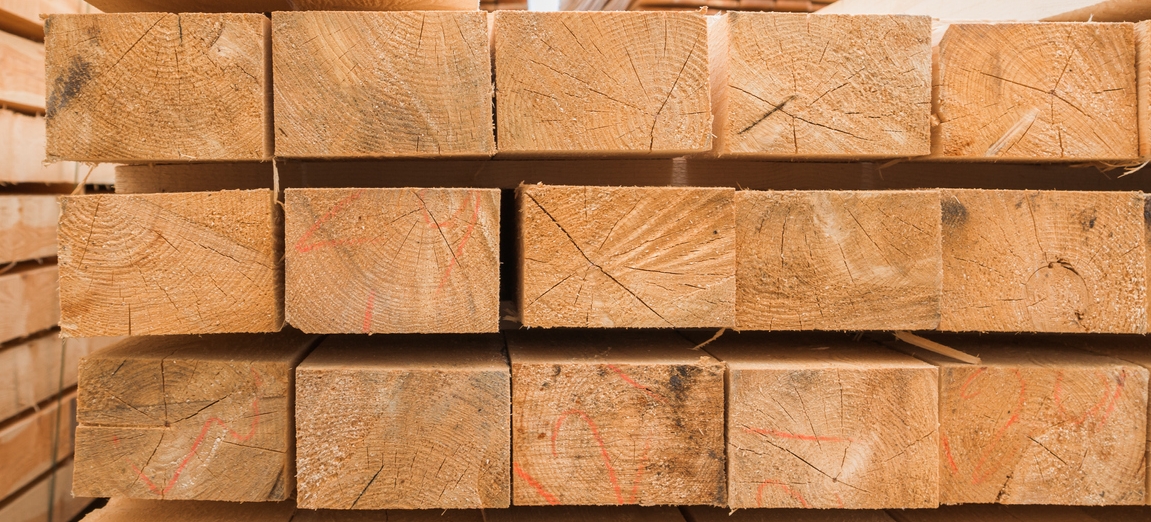
Definition: Pressure treated wood is lumber that has been infused with chemical wood preservatives under high pressure to resist rot, fungal decay, and insect damage.
The name describes the process exactly. Manufacturers place untreated lumber inside a large steel cylinder and apply high pressure to force a preservative solution deep into the wood fibers. The result is treated lumber that holds up in conditions that would destroy standard wood within a few years.
One common misconception is that pressure treated wood repels water. It does not. Treated lumber absorbs water at the same rate as untreated wood. What the treatment does is stop the wood from rotting when it gets wet. The wood preservatives make the lumber inhospitable to the fungi and insects that cause decay.
How Is Pressure Treated Wood Made?
The pressure treated wood process follows a consistent sequence:
- Loading: Workers load untreated lumber onto a tram and roll it into a large steel cylinder called a retort or vacuum pressure vessel.
- Vacuum: An industrial vacuum pump removes the air from inside the cylinder and from within the wood cells themselves.
- Chemical flood: The retort fills with a preservative solution — typically a copper-based mixture in water.
- Pressurisation: The cylinder pressurises to 150 pounds per square inch (psi) or more, forcing the preservative deep into the cellular structure of the wood.
- Release and drip: Workers remove the pressure, drain the cylinder, and move the lumber to a drip pad. Any excess chemical drips off and goes back into the next batch.
- Drying: The lumber either air dries or goes through a kiln. Kiln Dried After Treatment (KDAT) lumber is more dimensionally stable and costs more, but it warps and twists far less on site.
According to the American Wood Protection Association (AWPA), the treating plant must meet strict standards at every stage of this process. Independent third-party agencies inspect and verify compliance before the wood products reach the market.
What Does the Green Color Mean?
The greenish tint in pressure treated lumber comes from the copper in the preservative solution. Copper is the active ingredient in most modern wood preservatives, and it gives treated lumber its distinctive color.
When you buy pressure treated wood, it arrives wet. The lumber has absorbed a significant amount of liquid during the treatment process. Depending on the weather and storage conditions, it can take several weeks to fully dry out.
Do not paint or stain fresh pressure treated lumber before it dries. To test if it is ready, sprinkle a few drops of water onto the surface. If the water absorbs into the wood, it is dry enough to coat. If the water beads, wait a few more days and test again.
What is green treated lumber? The term refers to pressure treated lumber that has not yet been kiln dried after treatment. It is still wet from the treating process. Green treated lumber is widely available and costs less than KDAT, but expect some movement as it dries on the job.
Is Pressure Treated Wood Safe?
Modern pressure treated wood is safe for residential use. In 2003, the U.S. Environmental Protection Agency (EPA) phased out chromated copper arsenate (CCA) for most residential applications due to concerns about arsenic. Today’s treatments rely on copper-based compounds that carry no such risk.
In practice, the copper content in modern treated lumber is comparable to what you find in everyday household plumbing. The American Wood Protection Association confirms that current wood preservatives pose no meaningful health risk in normal handling and construction use.
Take basic precautions when working with treated lumber:
- Wear gloves when handling it.
- Wear a dust mask and safety glasses when cutting.
- Wash your hands before eating or drinking.
- Never burn pressure treated wood. Burning it releases toxic compounds from the preservatives.
What Chemicals Are Used in Pressure Treated Wood?
Understanding pressure treated wood chemicals is key to choosing the right lumber for your application. The type of chemical used has changed significantly over the past 25 years, and knowing the difference gives you confidence in what you are working with.
CCA: The Old Standard
For decades, the most common preservative in residential pressure treated lumber was chromated copper arsenate (CCA). CCA combined chromium, copper, and arsenic to create a highly effective treatment that protected wood for 40 years or more.
The arsenic in CCA is toxic in high concentrations. Public concern over arsenic leaching from playground equipment and decking led the EPA to arrange a voluntary phase-out agreement with manufacturers in 2003. CCA-treated lumber is still available and still legal for non-residential applications including highway construction, permanent wood foundations, fence posts, utility poles, and marine structures. For residential construction, manufacturers moved to safer alternatives.
Modern Alternatives: ACQ, MCA, and Copper Azole
Three copper-based preservatives now dominate the residential pressure treated lumber market.
Alkaline copper quaternary (ACQ) combines copper with a quaternary ammonium compound. ACQ is one of the most widely used alternatives to CCA. This is effective against rot, fungal decay, and termites, and carries no arsenic content. Because ACQ has a higher copper content than CCA, it is more corrosive to standard steel fasteners. Always use hot-dipped galvanized or stainless steel hardware with ACQ-treated lumber.
Micronized copper azole (MCA) uses microscopic copper particles combined with tebuconazole, an antifungal compound from the azole family. MCA is the treatment used by ProWood and several other major manufacturers. The solution is over 99% water, with less than 1% active ingredients. MCA is effective, widely available, and the current standard in much of the residential market.
Copper azole (CA) is a closely related treatment that combines copper with azole fungicides. Copper azole treated lumber performs similarly to MCA and appears frequently in decking, fence posts, and structural applications.
All three modern treatments meet the standards set by the American Wood Protection Association (AWPA) and comply with EPA registration requirements for wood preservatives. Every chemical used in the pressure treating process is regulated by the EPA as a pesticide.
Types of Pressure Treated Wood
The American Wood Protection Association (AWPA) organises pressure treated lumber into Use Categories (UC). Each UC rating tells you the level of preservative retention in the wood and the conditions it can handle. Building code in most jurisdictions follows these categories directly.
The end tag stapled to every piece of treated lumber shows its UC rating, the type of preservative used, the retention level in pounds of chemical per cubic foot of wood, and the year it was treated. Read that tag before you buy.
Above Ground (UC3)
UC3 lumber works for exterior applications where the wood sits more than 6 inches above the ground, has proper ventilation, and drains water away quickly.
- UC3A: Coated or protected millwork and trim where water runoff is rapid.
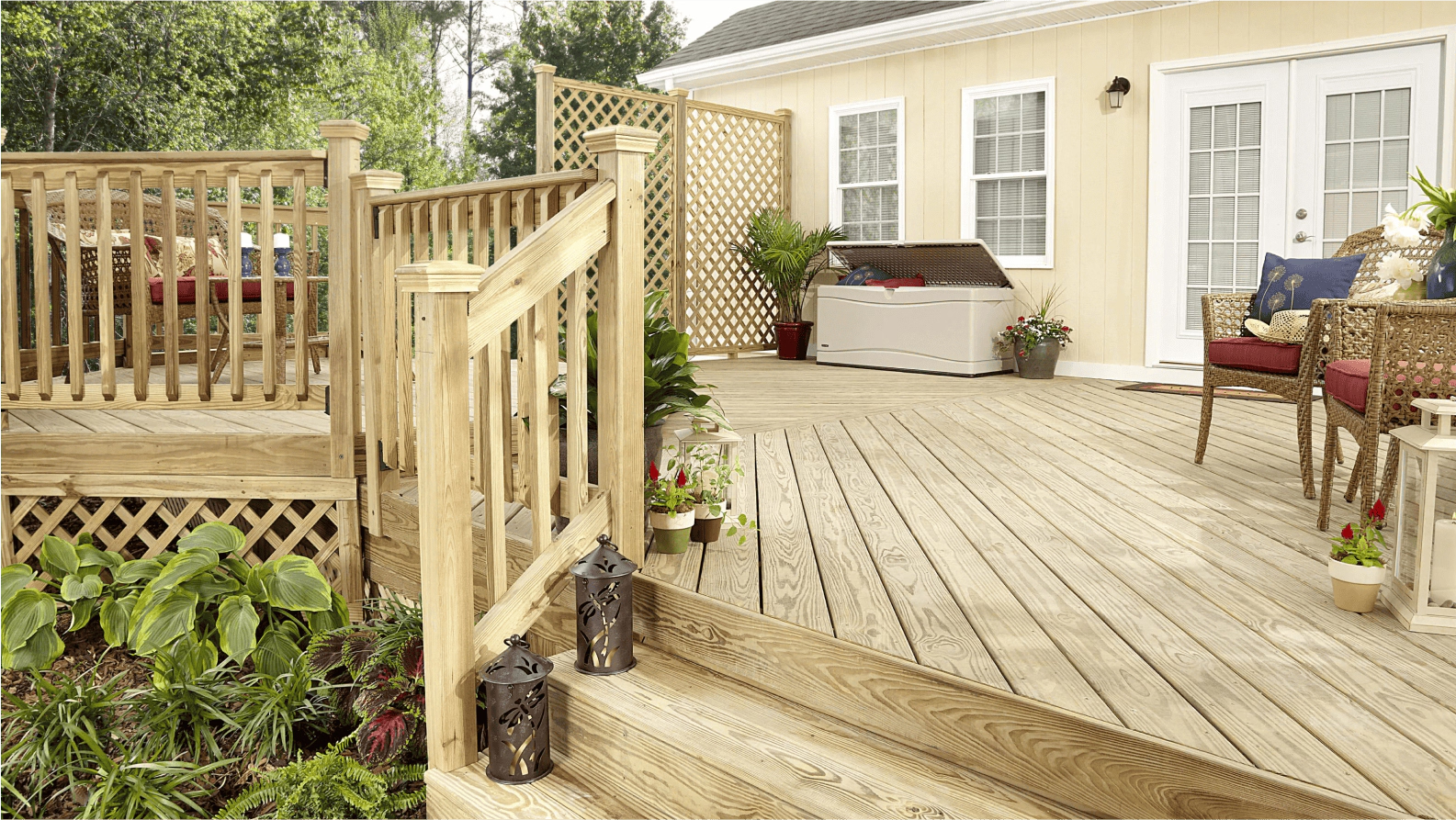
- UC3B: Exposed decking, railings, siding, and structural components above ground.
Common applications include deck boards, guardrails, fascia boards, and above-ground fence panels. UC3 lumber contains a lower preservative retention level than ground contact grades. Do not use it in direct contact with the ground.
Ground Contact (UC4A and UC4B)
Ground contact lumber carries roughly twice the chemical retention of above-ground rated wood. Use it anywhere the lumber sits within 6 inches of the ground, sits in soil, sits in water, has poor drainage, or is difficult to inspect and replace.
- UC4A: General ground contact use. Fence posts, deck posts, ledger boards, joists, and beams.
- UC4B: Heavy duty ground contact. Permanent wood foundations, building poles, and critically important structural components.
Why it matters: UC3 lumber used in ground contact situations will fail far sooner than its rated lifespan. The higher moisture and biological activity at ground level requires the stronger retention levels that UC4 provides.
A UC5 rating exists for saltwater and marine applications, but that is outside the scope of most residential and commercial building projects.
How to Read the End Tag Label
Every piece of pressure treated lumber carries a stamped or stapled end tag. Here is what each part of that label tells you:
- Use Category (e.g., UC4A): The exposure conditions the lumber is approved for.
- Preservative type (e.g., MCA): The chemical used in the treatment.
- Retention level (e.g., 0.15 pcf): Pounds of preservative per cubic foot of wood. Higher numbers mean more chemical and more protection.
- Year treated: The year the lumber went through the treating process.
- Inspection agency logo: Confirms an accredited third party verified the treatment meets AWPA standards.
In practice, most residential projects need either UC3B for above-ground work or UC4A for ground contact. When in doubt, go one category higher.
What Is Pressure Treated Lumber Used For?
Pressure treated lumber is the correct choice wherever wood faces sustained moisture, soil contact, or insect pressure. This is not a universal building material. Knowing where to use it, and where not to, determines whether your structure lasts decades or deteriorates in years.
Residential Applications
Pressure treated lumber handles the outdoor projects that untreated wood cannot survive.
- Deck boards and framing: Decks face constant moisture from rain, snow, and dew. Pressure treated lumber is the standard material for deck framing, joists, beams, and posts.
- Fence posts: Fence posts go directly into the ground. This is a UC4A application. Using above-ground rated wood for a fence post will result in rot at the ground line within a few years.
- Retaining walls: Retaining walls hold soil and face continuous moisture pressure. Ground contact rated lumber is essential.
- Sill plates: The bottom plate of a wall frame that sits on a concrete foundation requires pressure treated lumber to comply with building code.
- Raised garden beds: Ground contact lumber works for ornamental plant beds. For edible gardens, line the inside of the boards with plastic sheeting to prevent soil contact with the wood. Do not seal the bottom — drainage is still necessary.
- Stairs and stringers: Stair stringers that contact or sit near the ground use ground contact rated material.
Commercial and Industrial Applications
The pressure treating process extends well beyond residential construction. Industrial-grade treated lumber uses oil-based preservatives and higher retention levels for the most demanding applications.
- Railroad ties: Ties sit directly on ballast and face constant load, moisture, and biological pressure. Heavy-duty treatments make railroad ties last decades in service.
- Utility poles: Power and telephone poles stay in the ground for 30 to 50 years. The treating process for utility poles uses significantly higher chemical retention than residential lumber.
- Marine construction: Docks, piers, and pilings in freshwater environments use UC4B or UC4C rated lumber. Saltwater applications require UC5.
- Highway construction: Guard posts, bridge timbers, and sound barriers use CCA or other heavy-duty preservatives still permitted for non-residential use.
- Permanent wood foundations: Pressure treated lumber rated UC4B supports below-grade foundations in residential construction.
According to the American Wood Protection Association (AWPA), treated wood use in structural applications is governed by both AWPA standards and the International Residential Code (IRC) and International Building Code (IBC).
Where NOT to Use Pressure Treated Wood
Pressure treated lumber is not for every application. Common mistakes include:
- Indoors: Do not use pressure treated wood for interior framing, flooring, trim, or cabinetry. The chemicals are unnecessary indoors and the lumber costs more. Standard kiln-dried framing lumber works perfectly behind walls and in dry conditions.
- Food contact surfaces: Avoid pressure treated lumber for cutting boards, countertops, or any surface that touches food directly.
- Burning: Never burn pressure treated wood in a fireplace, fire pit, or wood stove. The preservative chemicals release toxic compounds when burned.
- Aluminum contact: Most modern treated lumber contains copper, which corrodes aluminum on contact. Keep pressure treated lumber away from aluminum flashing and trim. Use building tape or house wrap to separate them where contact is unavoidable.
How Long Does Pressure Treated Wood Last?
The lifespan of pressure treated lumber depends on its UC rating, the application, the climate, and how well the structure is maintained.
- Above-ground applications (UC3B): Expect 15 to 20 years or more with regular sealing and maintenance.
- Ground contact applications (UC4A): Properly installed ground contact lumber lasts 40 years or more in most climates.
- Heavy duty and industrial applications (UC4B, UC4C): Utility poles and railroad ties treated to these standards regularly reach 30 to 50 years of service life.
Water is the primary driver of failure in pressure treated wood. When water enters the end grain and sits, it creates conditions for fungal decay even in treated lumber. Seal end cuts on site with an approved end-cut preservative solution. Keep wood away from standing water where possible and maintain clearance from the ground on above-ground applications.
Common mistakes that shorten the lifespan of treated lumber include using above-ground rated wood for ground contact applications, failing to seal end cuts, and allowing water to pool against the wood long term.
Working With Pressure Treated Wood
Fasteners
Copper in modern wood preservatives corrodes untreated steel. Standard bright nails and screws will fail within a few years when used with ACQ, MCA, or copper azole treated lumber.
Use only:
- Hot-dipped galvanised steel fasteners
- Stainless steel fasteners
- Silicon bronze fasteners
- Copper fasteners
Check the fastener packaging to confirm compatibility with pressure treated lumber. Most manufacturers now label this clearly.
Cutting
Cut pressure treated lumber with standard carbide-tipped saw blades. The preservative chemicals dull blades slightly faster than untreated wood, but no special equipment is required.
Seal every field cut immediately with an approved end-cut preservative. Field cuts expose raw, untreated wood at the cut face. Applying end-cut solution restores the protection and extends the lifespan of the connection point.
Painting and Staining
Wait until the lumber is fully dry before applying any coating. Fresh pressure treated lumber holds moisture from the treating process. Paint and stain will not bond properly to wet wood and will peel early.
Use the water bead test: sprinkle water on the surface. If it absorbs, the wood is ready. If it beads, wait longer.
Frequently Asked Questions
Pressure treated wood is lumber that manufacturers infuse with chemical wood preservatives under high pressure. The process forces the preservative deep into the wood fibers, protecting the lumber from rot, fungal decay, and insect damage for decades.
Modern pressure treated lumber uses copper-based preservatives. The three most common are alkaline copper quaternary (ACQ), micronized copper azole (MCA), and copper azole (CA). These replaced the older chromated copper arsenate (CCA) formula for residential use after the EPA phase-out in 2003.
Manufacturers load lumber into a large steel cylinder called a retort. A vacuum removes air from the wood cells. The cylinder then floods with preservative solution and pressurises to 150 psi or more, forcing the chemical into the wood. The lumber then drips out excess solution and dries before sale.
ACQ pressure treated wood uses alkaline copper quaternary as its preservative. ACQ is one of the most common alternatives to CCA and protects effectively against rot, decay, and termites. Because of its higher copper content, ACQ requires hot-dipped galvanised or stainless steel fasteners to prevent corrosion.
Ground contact rated pressure treated lumber (UC4A) lasts 40 years or more in most conditions. Lifespan depends on the climate, soil type, drainage, and whether end cuts receive proper sealing. Heavy-duty UC4B lumber used for utility poles and building poles regularly reaches 30 to 50 years.
No. Pressure treated wood is for exterior and ground contact applications. Standard kiln-dried framing lumber is the correct choice for interior walls, floors, and framing. The one exception is the sill plate, the bottom wall plate that sits directly on a concrete foundation slab, where building code requires pressure treated lumber.