The place for all your outdoor living space!

Article Overview
- How Much Space Should Be Between Deck Boards?
- Why Proper Deck Board Spacing Matters
- Side-to-Side, End-to-End, and Structure Spacing
- Deck Board Spacing for Wood, Composite, and PVC
- Deck Board Spacing by Brand and Product Type
- How Temperature Affects Deck Board Spacing
- How Hidden Fasteners Affect Board Spacing
- Picture Frames, Butt Joints, and Other Spacing Details
- Common Deck Board Spacing Mistakes
- Before You Install Your Deck Boards
- Need Help Planning Your Deck Materials?
- Deck Board Spacing FAQs
- How Much Space Should Be Between Deck Boards?
- How Much Gap Should Be Between Deck Boards?
- What Is Proper Deck Board Spacing?
- What Is the Correct Gap Between Composite Deck Boards?
- Should Deck Boards Be Installed Tight Together?
- Does Temperature Affect Deck Board Spacing?
- Do Hidden Fasteners Set the Deck Board Gap?
Deck board spacing affects drainage, airflow, board movement, and the finished look of your deck. However, there is no single gap that works for every decking material. The proper gap between deck boards depends on the material and the product you choose. The fasteners and temperature during installation can also affect the right spacing.
To find the correct distance between deck boards, start with the material you plan to install. Then look at where the boards meet. The space between two board edges may differ from the gap at the ends or near a wall, post, or other solid object.
How Much Space Should Be Between Deck Boards?
How much space between deck boards you need depends on the material. Instead of using one measurement for every project, check the instructions for the exact decking you plan to install.
| Decking Type | What Affects the Proper Gap? |
|---|---|
| Pressure-treated wood | Moisture in the boards and how much they may dry |
| Other wood decking | Wood species and moisture level |
| Composite decking | Brand, product, fastener, and temperature |
| PVC decking | Brand, product, fastener, and temperature |
The deck space between boards also depends on where the boards meet. A brand may require one gap along the sides of the boards and another where two board ends meet. This is why a general spacing recommendation should only be a starting point.
Trex provides a good example. Its installation guide calls for at least a 3/16-inch width-to-width gap for the products covered by the guide. The required end-to-end gap changes based on temperature.
Always check the instructions for your exact decking before choosing the final deck board gap.
Why Proper Deck Board Spacing Matters
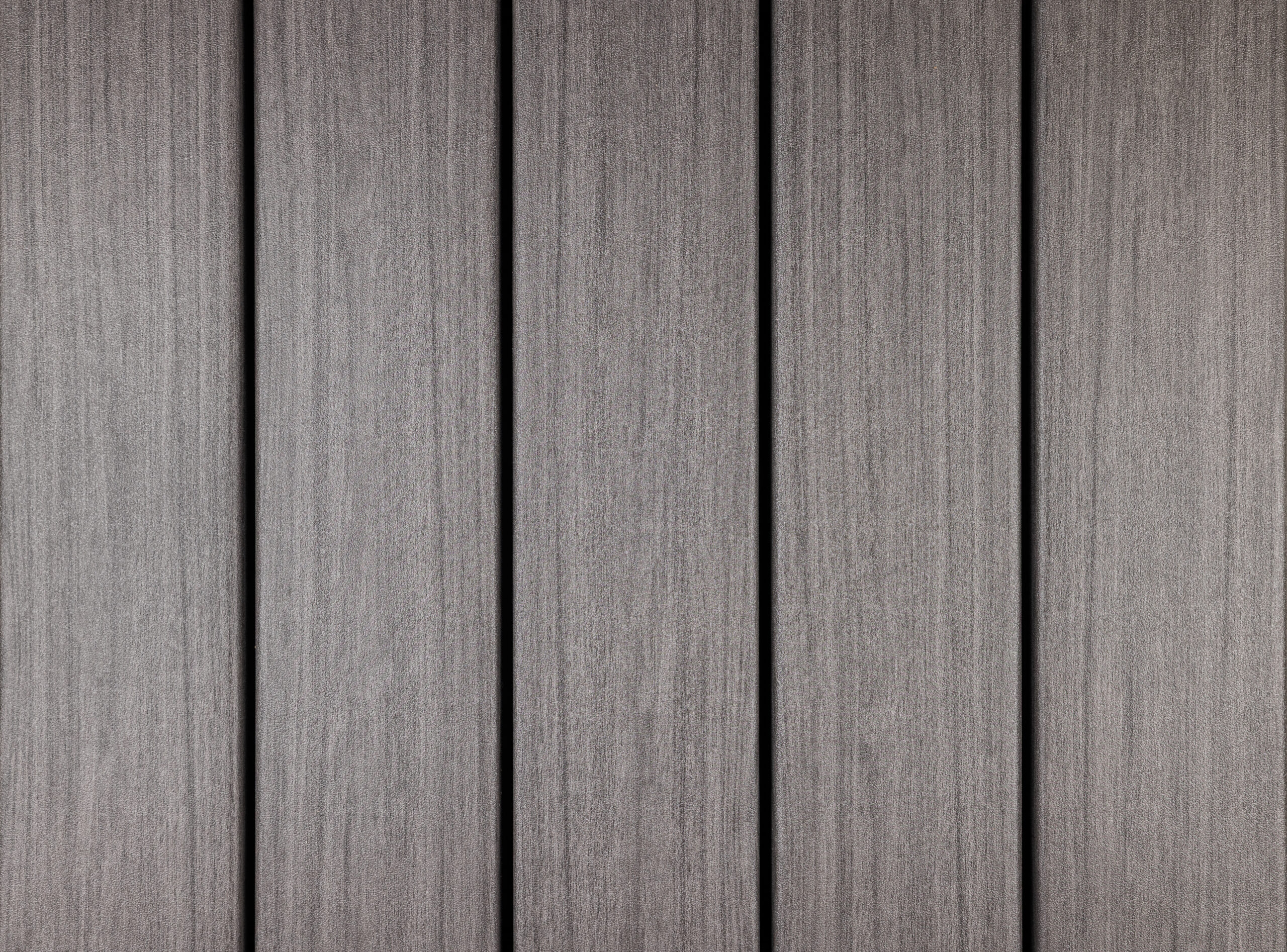
Proper spacing lets rainwater and small debris pass between the boards instead of collecting on the deck. It also leaves room for the decking to move as outdoor conditions change. Keeping the gaps even across the deck creates cleaner lines and a better finished look.
Water Drainage and Airflow
Gaps between deck boards give rainwater a place to drain. They also let small debris pass between the boards and allow air to move around the decking and framing. Trex lists drainage and board movement as two reasons its decking needs proper gaps. The brand also notes that trapped leaves and other debris can lead to mold and mildew.
Proper spacing will not prevent water from reaching the deck. Instead, it gives water a path to drain instead of sitting on the surface. This can be especially helpful in areas that get frequent rain or collect leaves and other debris.
Expansion and Contraction
Decking materials expand and contract in different ways, so the right gap can change by material. Wood expands when it absorbs moisture and shrinks as it dries. Composite and PVC boards can also move as temperatures change, but the amount depends on the product.
These changes are especially important where two board ends meet. A brand may require a different end gap than the space it requires along the sides of the boards.
Consistent Spacing
The size of each gap matters, but the gaps should also stay even across the deck. Small differences can become easier to see as you install more rows. Checking the board spacing as you work helps keep the rows straight and gives the finished deck a cleaner look.
Side-to-Side, End-to-End, and Structure Spacing
Spacing between deck boards can mean several different things. You may be measuring the space between the long sides of two boards, the ends of two boards, or a board near a solid object. Knowing which gap you need makes installation guides much easier to follow.
Side-to-Side Spacing
Side-to-side spacing is the gap between the long edges of two boards. This is the repeating gap you see across most of the deck surface. When you install grooved composite boards with the right hidden fasteners, the fasteners may create this gap for you.
End-to-End Spacing
End-to-end spacing is the gap where the ends of two boards meet. This connection is often called a butt joint. The gap at a butt joint does not always match the space between the long sides of the boards.
Trex, for example, uses end gaps that change with temperature for the products covered by its guide. TimberTech Advanced PVC uses a different method. Its guide calls for no gap at butt joints, splices, or miters.
Board-to-Structure Spacing
Deck boards may also need space where they meet a house, post, column, or another solid object. This space can differ from both the side and end gaps.
Trex provides another example. For the products covered by its guide, Trex calls for a 1/4-inch gap next to a solid object above 40°F. Below 40°F, that gap increases to 1/2 inch.
Deck board spacing is also different from joist spacing. Board spacing controls the gaps you see on the deck surface. Joist spacing is the distance between the framing below the boards. If you are planning the framing, our joist spacing for composite decking guide covers those measurements.
Deck Board Spacing for Wood, Composite, and PVC
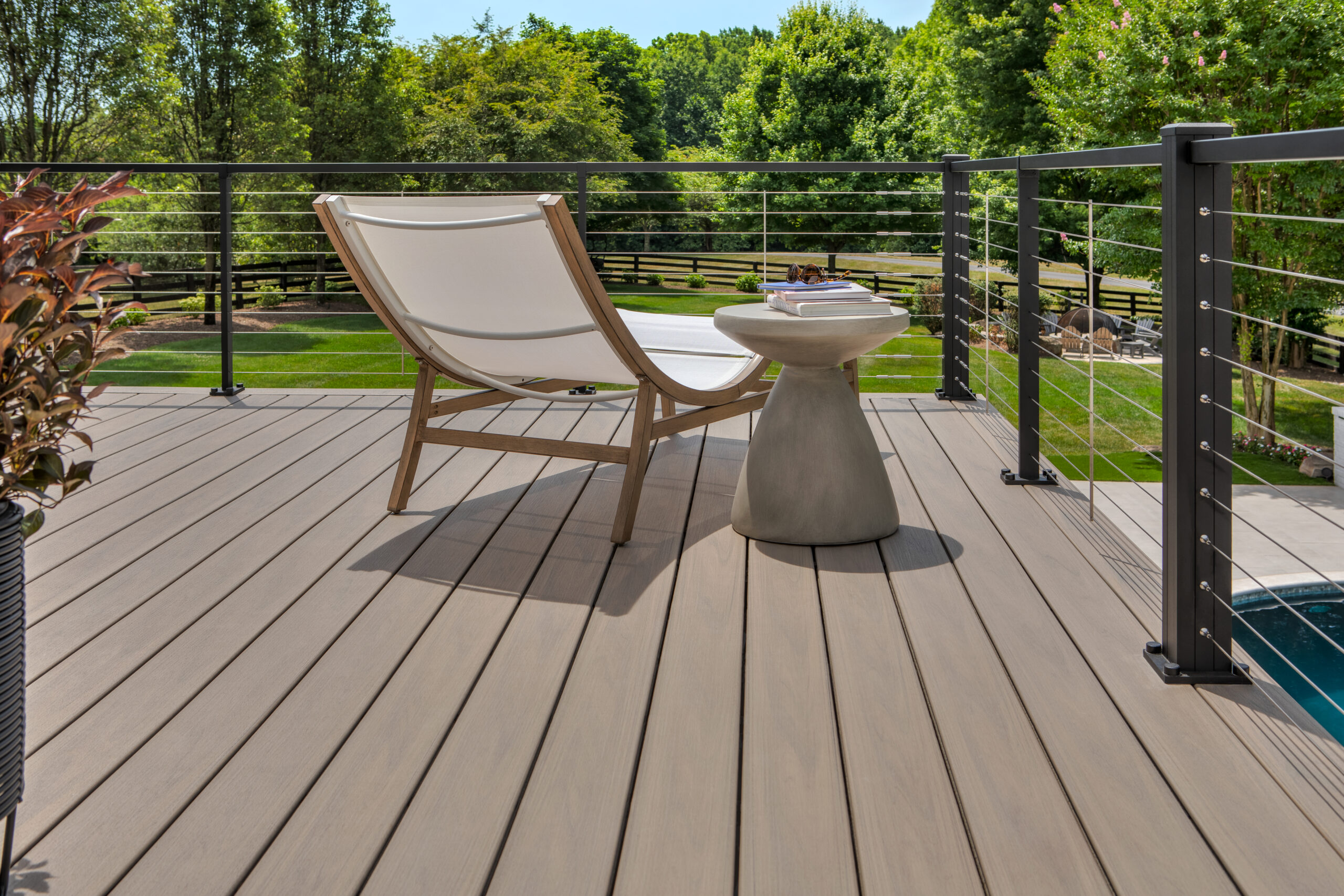
The material is one of the biggest factors when deciding how to space deck boards. However, the material alone does not always give you the answer. Moisture, temperature, the product you choose, and the fasteners can all affect the right gap.
Wood Decking
Moisture is very important when installing wood decking. Fresh pressure-treated boards may still hold a lot of moisture. As wet boards dry, they can shrink and leave larger gaps between them.
Drier boards can absorb moisture and expand. This is why the condition of the wood matters when you choose the starting gap. The type of wood matters too, so you should not use one spacing rule for every wood deck.
Composite Decking
There is no single gap that works for all composite decking. Spacing can change based on the brand, product, fastener, joint, and temperature. Even two products from the same brand may have different spacing rules.
This is why knowing that a board is “composite” is not enough. Check the installation guide for the exact deck material you plan to use before choosing the final spacing.
PVC Decking
PVC decking also has its own spacing rules. In some cases, PVC and composite boards from the same brand have very different instructions.
TimberTech is a good example. Its Advanced PVC guide calls for 1/8- to 1/4-inch side-to-side spacing. However, it calls for no gap at butt joints, splices, or miters.
Deck Board Spacing by Brand and Product Type
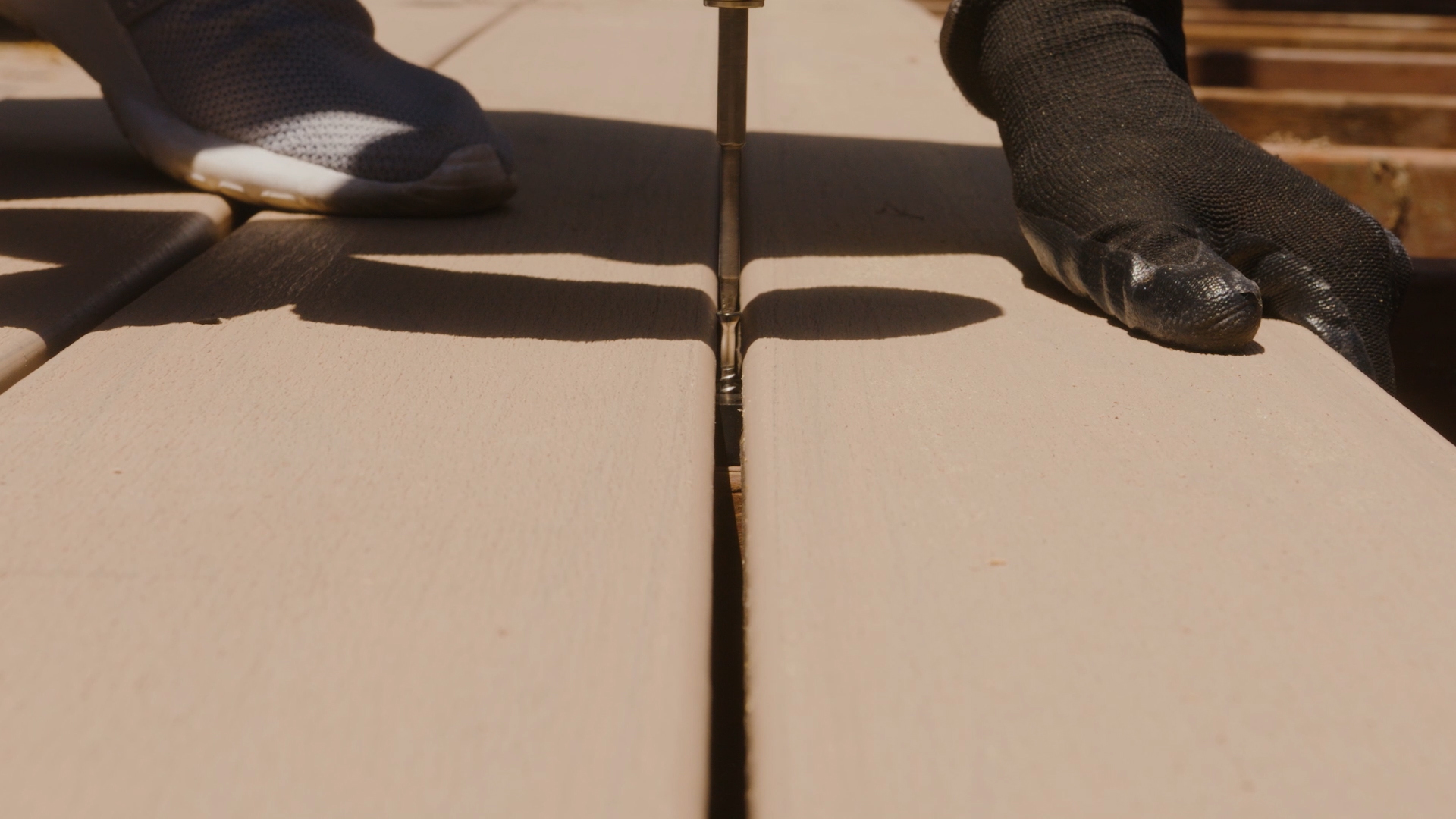
Each brand has its own spacing rules, which is why one gap does not work for every deck. Rules may even change between products from the same brand. The table below compares several popular brands and product types.
Use these measurements as a quick reference. Before installation, check the current guide for the exact decking you plan to use.
| Brand / Product Type | Side-to-Side Spacing | End-to-End Spacing | What to Know |
|---|---|---|---|
| Trex decking* | 3/16″ minimum | 1/8″ above 40°F; 3/16″ below 40°F | Gaps near solid objects also change with temperature |
| TimberTech Composite* | Depends on product and fastener; often 1/8″–3/16″ | Changes with temperature | The fastener can affect side spacing |
| TimberTech Advanced PVC | 1/8″ – 1/4″ | No gap at butt joints, splices, or miters | Direct sun can make boards hotter and longer |
| Fiberon | Depends on product and fastener | Depends on product and temperature | Check the guide for the exact collection |
| Deckorators Vista | 1/4″ | 5/16″ at 32°F or below; 1/4″ at 33–79°F; 1/8″ at 80°F or above | These rules apply to Vista decking |
| MoistureShield† | 3/16″ – 1/4″ | 1/8″ or greater | Check the latest guide for your product |
| Envision | Depends on product | Depends on product and temperature | Check the guide for the exact collection |
*Spacing can change based on the product and fastener.
†The MoistureShield measurements shown come from its March 2021 installation guide. Check the latest guide before installation.
Trex shows why one decking product can have several spacing measurements. Its guide calls for at least a 3/16-inch width-to-width gap. The end gap and the space near solid objects change based on temperature.
TimberTech Advanced PVC uses a different approach. The boards need space along their sides, but the guide calls for tight butt joints, splices, and miters.
Deckorators Vista has another set of rules. Its current instructions call for 1/4-inch side spacing. The end gap changes based on the temperature when you install the boards.
MoistureShield’s verified guide calls for 3/16 – to 1/4-inch edge-to-edge spacing and at least 1/8 inch at butt joints. The guide used for these measurements is older, so check the latest instructions for your exact MoistureShield product before you begin.
These differences show why proper deck board spacing is specific to the product. A comparison can help you understand the basic rules, but always check the instructions for the decking you plan to install.
How Temperature Affects Deck Board Spacing
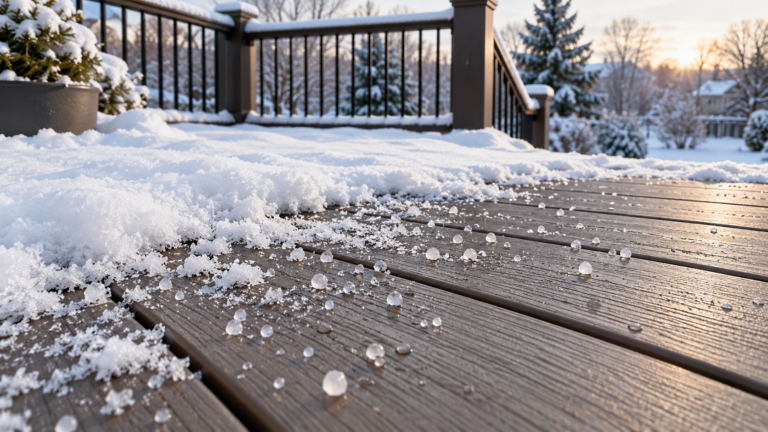
Temperature can affect deck board spacing because some boards change length as they heat and cool. Each brand handles this movement differently. This is why many installation guides include different gaps for different temperatures.
Trex changes its end-to-end gaps based on the temperature during installation. For the products covered by its guide, the end gap is 1/8 inch above 40°F. Below 40°F, it increases to 3/16 inch.
TimberTech Advanced PVC handles heat in a different way. Its guide notes that direct sunlight can make the boards hotter and longer. Because of this, TimberTech recommends keeping the boards as cool as possible while attaching them.
Keep in mind that board temperature and air temperature are not always the same. A board sitting in direct sunlight may become much hotter than the surrounding air. Follow the temperature instructions for your exact product rather than using the same rule for every deck.
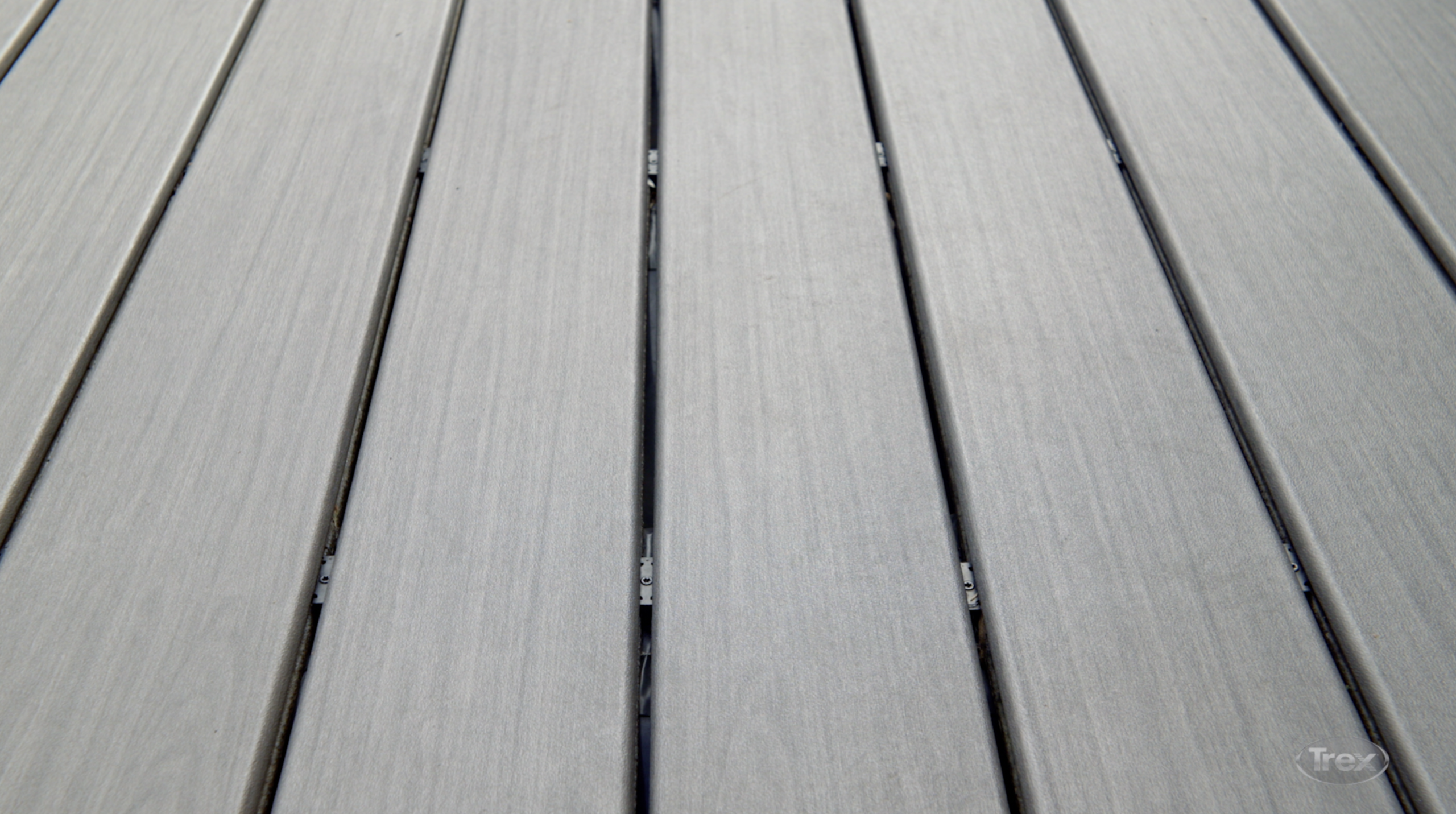
Hidden fasteners can make spacing and installation easier. Many systems place a clip or spacer between two grooved boards. As you install each row, the fasteners help keep the spacing between the boards even.
Trex states that its recommended hidden fasteners create the correct gap for its decking. Our Trex hidden fasteners guide explains how these fasteners work with grooved boards and where different options are used.
The fastener still needs to match the board. Grooved boards accept compatible clips along their sides, while square-edge boards are often used where face fastening is needed. If you are choosing between these profiles, our grooved vs. square deck boards guide explains how they differ.
Picture Frames, Butt Joints, and Other Spacing Details
Picture-frame borders create areas where the ends of the main deck boards meet the border boards. Since these boards meet in different directions, the end gap is especially important.
Trex uses gaps that change with temperature where the inside boards meet a picture-frame border. Its instructions call for a 1/8-inch gap above 40°F and a 3/16-inch gap below 40°F.
Plan borders, breaker boards, and butt joints before cutting the main deck boards. These details can change board lengths, fastener locations, and the amount of material you need. If your design includes a border, our picture frame deck guide covers the full layout and installation process.
Board direction and layout can also change how much decking you need. If you are still planning your order, our guide to measuring a deck for materials can help you calculate the right amount.
Common Deck Board Spacing Mistakes
Many deck spacing problems happen when the same rule is used for every material or joint. Avoiding these common mistakes can make installation easier and help your deck perform as expected.
- Using the same gap for every material. Wood, composite, and PVC decking can have different spacing rules.
- Using one gap at every joint. Side gaps, end gaps, and spaces near solid objects may be different.
- Ignoring temperature. Some brands change their spacing rules based on the temperature during installation.
- Leaving too much space between wet wood boards. Wet boards may shrink as they dry and leave larger gaps.
- Using the wrong hidden fastener. The clip may control the space between the boards.
- Installing boards tight against solid objects. Check how much space your decking needs near a house, wall, or post.
- Forgetting to check alignment. Small differences can add up and create uneven rows.
- Confusing board spacing with joist spacing. Board spacing is on the deck surface, while joist spacing is in the framing below.
- Using a generic measurement. Follow the instructions for your exact decking instead of relying on one rule for every product.
Before You Install Your Deck Boards
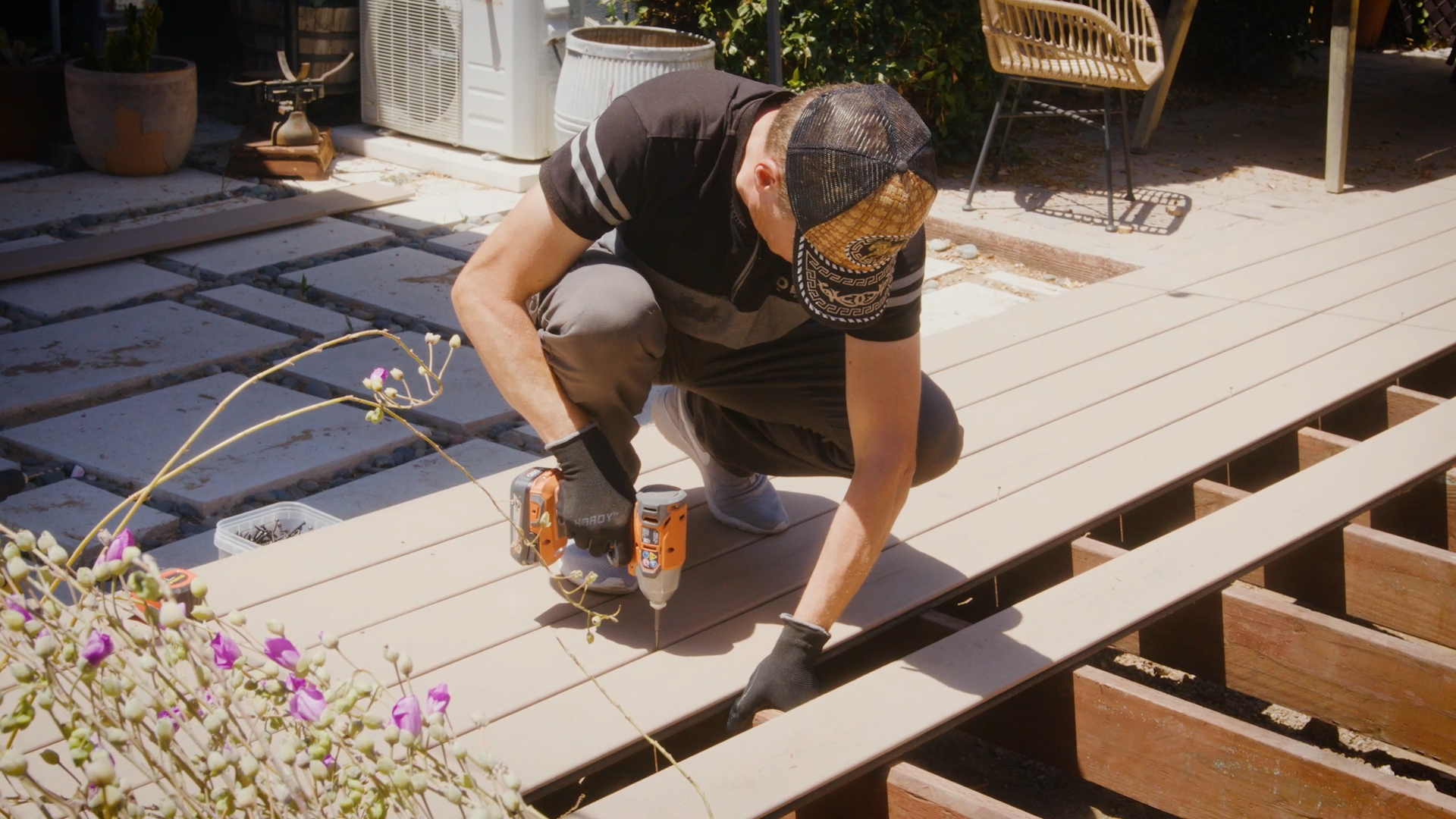
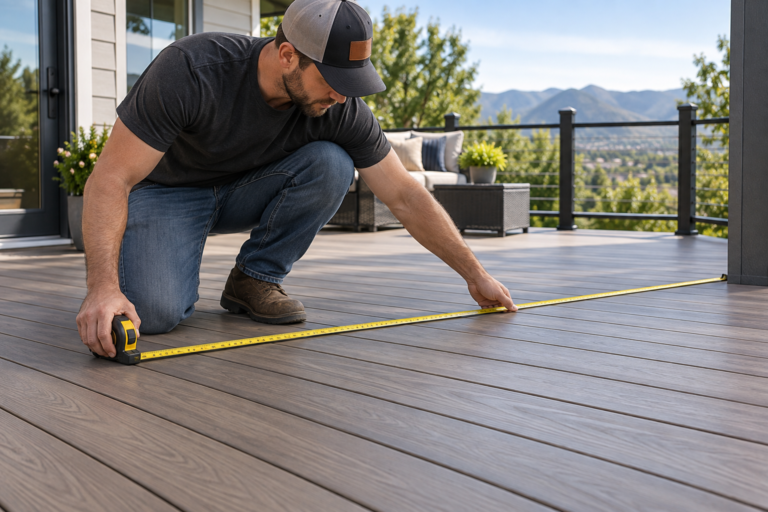
Before fastening the first row, confirm the exact decking and fasteners you plan to use. Check the installation guide for the side gap, end gap, and space needed near walls, posts, and other solid objects. If the spacing changes with temperature, find the measurement that matches your installation conditions.
Plan picture-frame borders, breaker boards, and butt joints before you cut the main deck boards. As you install each row, check the spacing and alignment instead of waiting until several rows are finished. The right spacer or hidden fastener can help keep gaps even, but you should still check your layout as you work.
Need Help Planning Your Deck Materials?
Proper board spacing is only one part of planning a deck. Your decking, fasteners, framing, fascia, railing, and other materials all need to work together. Choosing the right products before installation also makes it easier to follow the correct spacing and fastening rules.
Premium Decking Supply can help homeowners, contractors, and DIYers choose materials that work together and plan a complete order. If you are still figuring out what you need, start with our complete deck materials list and use your project measurements to plan the right quantities.
Deck Board Spacing FAQs
The right space depends on the decking material, product, fastener, and type of joint. Temperature can also change the required gap for some products. Instead of using one measurement for every deck, follow the instructions for the exact decking you plan to install.
How much gap between deck boards you need depends on where you measure. The side gap may differ from the end gap or the space near a wall or post. Trex, for example, calls for at least a 3/16-inch width-to-width gap for products covered by its guide. Its end gap changes with temperature.
Proper deck board spacing leaves room for water to drain and for the boards to move. It also helps create even gaps across the deck. The right measurement depends on the material and product, so there is no single gap for every deck.
The correct gap between composite deck boards varies by product. Trex, TimberTech, Fiberon, Deckorators, and other brands do not all use the same measurements. Check the side gap, end gap, and space near solid objects for the exact decking you plan to install.
Not in most cases. Most decking needs space between the sides of the boards, but some products call for tight joints in certain areas. TimberTech Advanced PVC, for example, needs side spacing but no gap at butt joints, splices, or miters.
Yes, temperature can affect spacing for some decking products. Trex and Deckorators have spacing rules that change with temperature for certain products and joints. Check the guide for your exact decking instead of assuming all composite or PVC boards move the same way.
Many hidden fasteners create a consistent deck board gap between grooved boards. The size of the gap depends on the fastener and decking system. Use a fastener that is made or approved for the decking you plan to install.